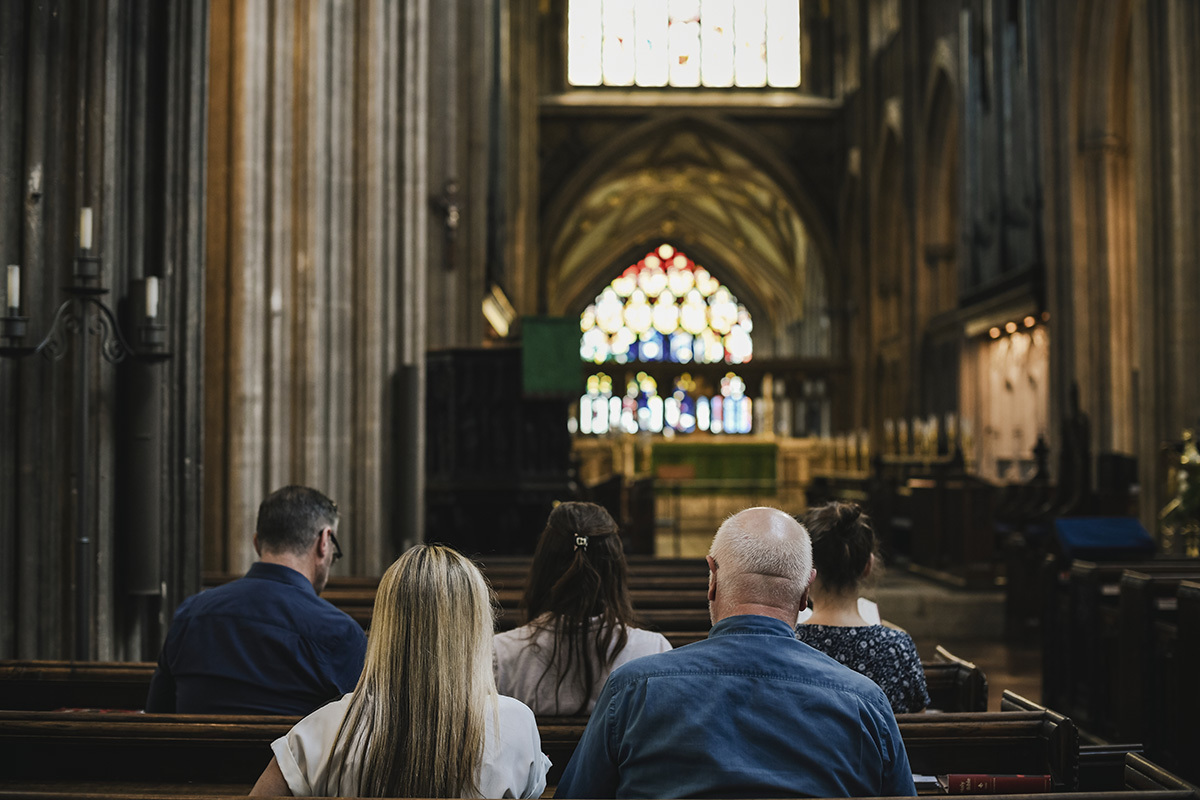
UK Churches Confront Looming Threat of Closure: Survey Insights
Churches across the United Kingdom are facing potential closures at an alarming rate, a recent survey suggests. The study, conducted by the National Churches Trust, highlights a range of challenges including financial and demographic pressures that threaten the sustainability of these historic places of worship.
Despite a majority of congregations expressing confidence in their future, estimates predict that up to 2,000 churches could close by 2030. This insight follows a nationwide survey of 3,600 churches across England, Scotland, Wales, and Northern Ireland conducted in May and June.
According to Christian Today, nearly 70% of respondents were confident in their ability to remain open over the next five years, with an additional 26% feeling “probably” secure. However, 5% expressed uncertainty about their sustainability, indicating that approximately one in every 20 churches might be at risk of closure.
Rural churches face particularly steep challenges. Seven percent of respondents from rural areas foresee closures, translating to around 900 churches potentially shutting their doors. These congregations often struggle with maintenance, volunteer recruitment, and attendance.
Denominational affiliation is another factor influencing closure risks. Methodist congregations are particularly vulnerable, with 12% uncertain about surviving beyond 2030. Presbyterians also face significant doubts, with 9% of their congregations at risk.
Anglicans, despite making up the largest proportion of U.K. congregations, reported the lowest closure risk at 4%. Nevertheless, due to their size, this still means around 700 Anglican churches could close, including 40 in Wales.
The survey further reveals that churches with Grade I listed status have a better chance of staying open. These historic buildings benefit from protections and funding opportunities not available to non-listed structures, which face higher maintenance costs and reduced access to grants.
The survey findings also highlighted that cathedrals, often benefiting from broader institutional and public support, remain confident in their future, aided by their significant reach, symbolic status, and tourism income.
In June, as reported by Premier Christian News, the NCT described the state of church buildings as an “existential moment.” They launched the Future of the U.K.’s Church Buildings survey to explore the causes of closures and potential strategies for sustainability.
Policy changes, such as the cap on claims under the Listed Places of Worship Grant Scheme, exacerbate these challenges. Churches can claim up to £25,000 per year for repair bills, but only those exceeding £1,000, limiting support for smaller congregations with multiple minor repair needs.
Wales has seen a notable decline, with 25% of churches closing in the past decade, highlighting regional disparities in church sustainability and increasing pressure on remaining congregations.
A 2021 study by The Brierley Research Consultancy, as reported by Evangelical Focus, found that the number of active churches in the U.K. fell from approximately 42,000 to 39,800 over the past ten years. The NCT noted that closures have been worsened by reduced funding, poor attendance post-pandemic, and escalating repair costs.
This article was originally written by www.christianpost.com