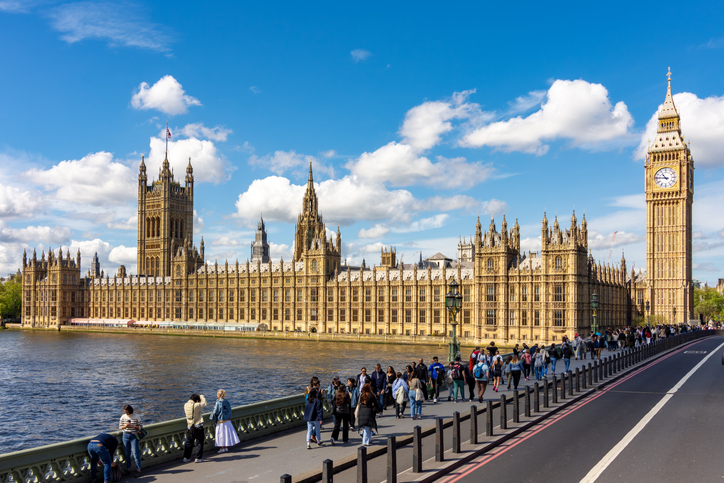
Concerns Arise Over House of Lords’ Decision on Abortion Legislation
The recent decision by the House of Lords not to support amendments designed to keep abortion up to birth criminalized has sparked a wave of disappointment among Christian and pro-life advocates. The amendments, proposed to the Crime and Policing Bill, aimed to remove clause 208, which includes proposals for decriminalizing abortion beyond the 24-week legal limit.
Baroness Monckton’s proposal to entirely eliminate clause 208 was defeated by a vote of 185 to 148. This clause, while not altering the current legal threshold for abortion, removes criminal penalties for women self-administering abortions after 24 weeks.
Additionally, an amendment by Baroness Stroud to mandate in-person consultations prior to at-home abortions was rejected with 191 votes against and 119 in favor. This outcome has alarmed many who argue it effectively paves the way for unrestricted abortion up to birth, raising concerns of gender-selective practices.
Simon Calvert, deputy director of The Christian Institute, expressed grave concerns, stating, “It is unutterably grim that the House of Lords has voted to permit a woman to take the life of her baby just days before birth.” He criticized the decision as disregarding public opinion and said it “dehumanised the unborn to a shocking new degree.”
Right to Life UK warned that the bill represents “one of the most significant changes to abortion legislation since 1967.” They cautioned that its enactment could lead to a rise in late-term abortions conducted at home, potentially endangering more women.
Polls conducted by Savanta ComRes reveal that only a small fraction, one percent, of UK adults support abortion up to birth. Furthermore, a significant majority, 89% of the general population and 91% of women, advocate for a legal ban on gender-selective abortion.
Peter Lynas, UK Director of the Evangelical Alliance, voiced his deep concerns, highlighting the absence of in-person consultations as a critical missing safeguard. He stated, “The vote removes any legal deterrent and weakens vital safeguards for women and unborn children.”
The Society for the Protection of Unborn Children (SPUC) labeled the decision as disappointing, hoping for a reconsideration at the Third Reading. Michael Robinson, SPUC’s executive director, criticized the lack of scrutiny and consultation surrounding the legislative changes.
Robinson also drew attention to potential abuses of the pills-by-post service, citing incidents such as that involving Stuart Worby. Worby was jailed for slipping abortion drugs into his girlfriend’s drink, resulting in the loss of their baby.
Dame Sarah Mullally, the Archbishop of Canterbury, stood by the Church of England’s stance against abortion, emphasizing the “infinite value of human life” and supporting amendments by Baroness Monckton and Baroness Stroud. She cautioned that clause 208 could inadvertently weaken existing legal safeguards.
This article was originally written by www.christiantoday.com