Concerns Rise Over USPS’s New Voting System Amid Midterm Preparations
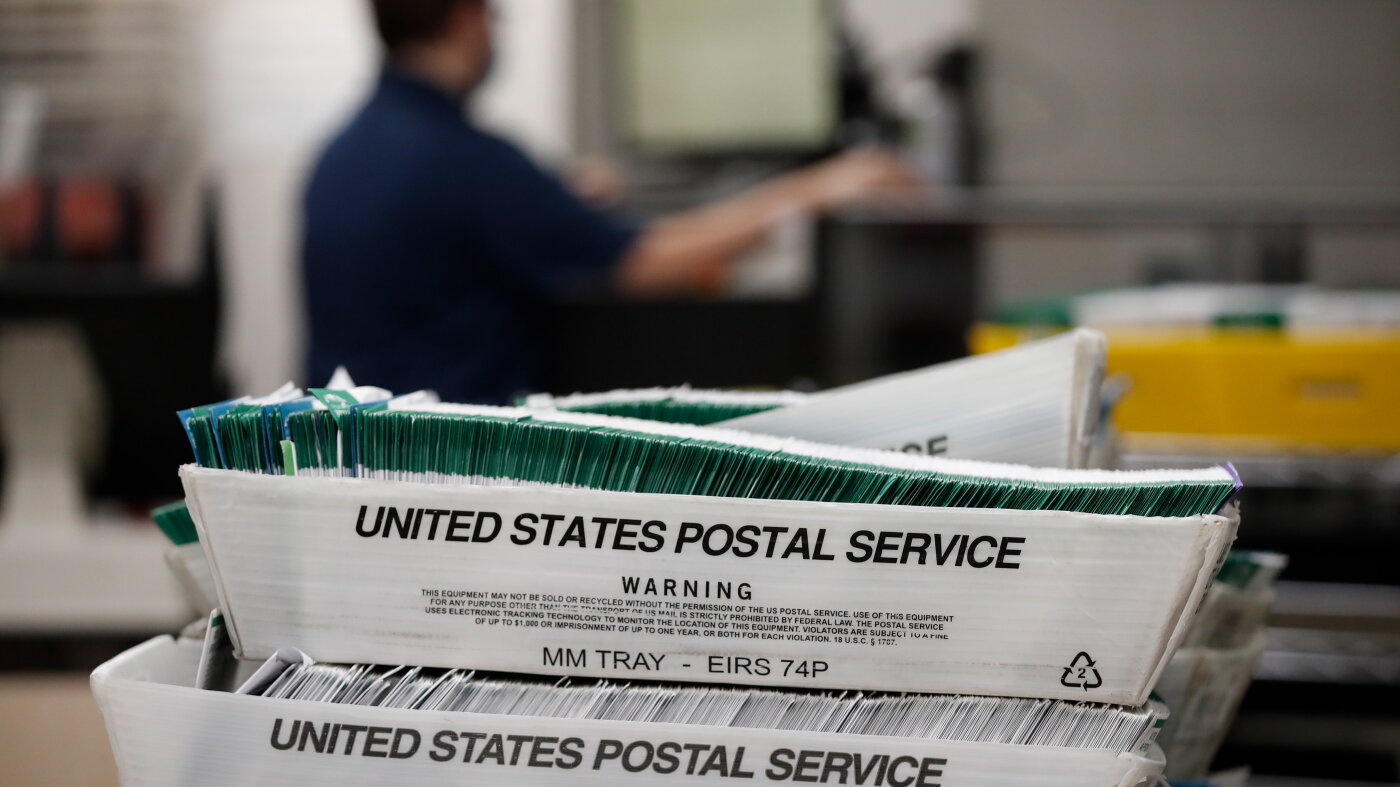
With the midterm elections around the corner, the U.S. Postal Service (USPS) finds itself under scrutiny for implementing “untested” technology, potentially affecting mail-in voting. This development follows President Trump’s efforts to tighten mail-in voting regulations, as highlighted in a whistleblower report.
The USPS has been gearing up to roll out an online portal designed to streamline the submission of absentee voters’ names and related data. However, this system’s trial phase has been criticized for inadequate testing, raising concerns about its readiness for a September 1 launch.
The whistleblower, represented by Whistleblower Aid, claims that USPS leadership has bypassed best practices to meet the tight deadline. “USPS leadership, it appears, has discarded all best practices as they speed the project to be ready for a September 1 implementation — raising questions about whether catastrophic failure would be a feature rather than a bug,” the report states.
Potentially complicating matters, the USPS has adopted a “zero-percent failure policy” for the verification process of mail-in ballots. This approach could result in significant delays, affecting the timely distribution of ballots.
Despite these challenges, aspects of the USPS’s plan remain blocked by a court order amid ongoing legal battles over the president’s executive order on mail-in voting.
In a letter to Postmaster General David Steiner, Sen. Richard Blumenthal urged the abandonment of the current USPS plan, describing it as “ill-conceived.” He emphasized the importance of ensuring all Americans can vote without interference.
Blumenthal expressed his astonishment over the situation, stating, “And what the disclosure reveals is that the Postal Service has designed a system that is intended to fail.”
The Trump administration, while defending its directives as measures against illegal voting, faces legal challenges. A federal judge in Boston recently issued a temporary restraining order against the USPS plan, citing its likely illegality.
The case is now set for the 1st U.S. Circuit Court of Appeals, with potential implications for a future Supreme Court review.
Editor’s note: USPS is a financial supporter of NPR.
Edited by Megan Pratz
This article was originally written by www.npr.org