Wildfire Smoke Alerts Prompt Health Warnings Across the U.S.
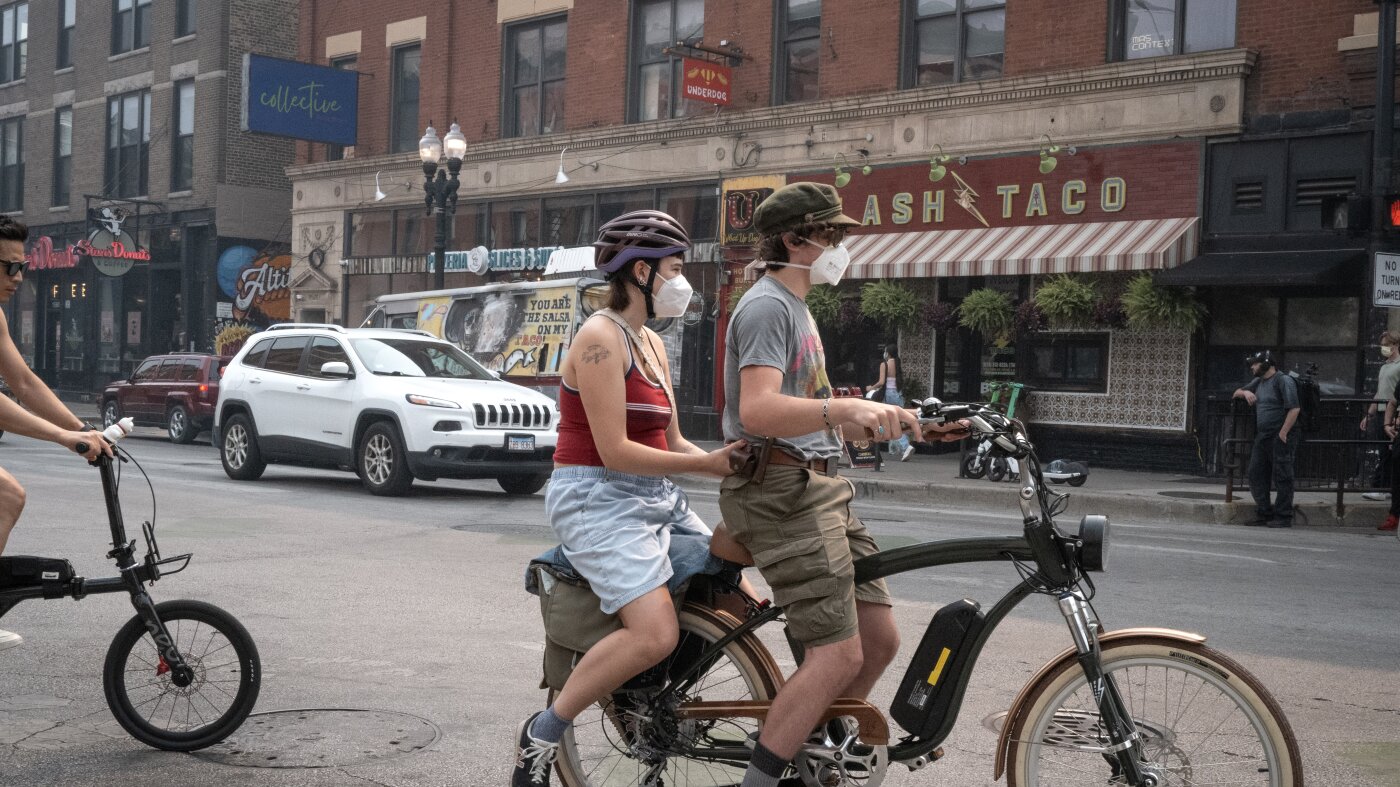
From Canada to Minnesota, wildfire smoke is sweeping across North America, triggering air quality warnings in areas from the Northeast to the Upper Midwest. Chicago recently recorded some of the poorest air quality globally, as officials urge residents to remain indoors.
Recent wildfires have significantly impacted air quality in the U.S. Midwest and Northeast. On Wednesday, Michigan issued a statewide air quality advisory, while Minnesota’s air quality reached the hazardous “purple” alert level. Wisconsin is experiencing record-breaking smoke levels, and Vermont’s skies have turned orange. After a brief improvement, New York City is expected to face more smoke.
The Health Implications of Wildfire Smoke
As climate change increases the frequency and severity of wildfires, experts are raising concerns about the health implications of smoke inhalation across the country. According to May-Lin Wilgus, a pulmonologist at UCLA, inhaling wildfire smoke is akin to smoking several cigarettes. The Air Quality Index (AQI) measures pollution levels, with values under 50 deemed acceptable. However, many scientists caution that no AQI level is entirely safe, as many harmful pollutants are not included in the measurement.
For instance, Detroit recorded an AQI of 435, the highest for any major city globally. Wilgus notes that an AQI of 100 to 200 equates to inhaling pollutants similar to smoking a quarter to half a pack of cigarettes daily.
Wildfire smoke can lead to increased emergency room visits for respiratory conditions like asthma and COPD, sometimes doubling during smoke events. During the 2023 Canadian wildfires, asthma-related ER visits surged by nearly 20% across the U.S.
Smoke exposure can exacerbate other medical conditions, resulting in more cardiovascular-related hospital visits. Emerging research suggests potential long-term impacts, such as an increased risk of dementia.
Despite improvements in U.S. air quality over the past two decades, wildfire smoke threatens to reverse these gains, says Tarik Benmarhnia from the Scripps Institution of Oceanography. He notes that wildfires, once rare, are now more frequent and intense due to climate change.
Understanding the Risks of Wildfire Smoke
The composition of wildfire smoke is particularly concerning. Unlike other pollutants, wildfires burn at high temperatures, making their ash more toxic. Moreover, the burning of synthetic materials from homes and vehicles adds to the complexity and dangers of the smoke.
Lisa Miller from the University of California, Davis, describes wildfire smoke as a “toxic soup,” highlighting the risks associated with burning synthetic fibers found in everyday items.
Who Faces Greater Risks?
While everyone faces risks from wildfire smoke, certain groups are more vulnerable, including children, older adults, pregnant individuals, and those with preexisting health conditions. First responders and firefighters also face heightened risks due to their exposure levels.
Children, in particular, are at risk due to their higher air intake relative to body size. Pregnant individuals should also exercise caution, as smoke exposure has been linked to higher risks of preterm birth and lower birth weights.
Protecting Yourself from Wildfire Smoke
Wilgus advises that if you smell smoke, it’s crucial to limit exposure as much as possible. The best course of action is to leave the affected area. For those unable to relocate, staying indoors, closing windows, reducing physical activity, and using air filters are recommended measures.
If outdoor activities are necessary, wearing an N95 mask can help block most small particles. While no exposure level is entirely safe, minimizing exposure can significantly reduce health risks.
For further guidance, refer to Life Kit’s guide on protecting yourself from wildfire smoke.
This article was originally written by www.npr.org