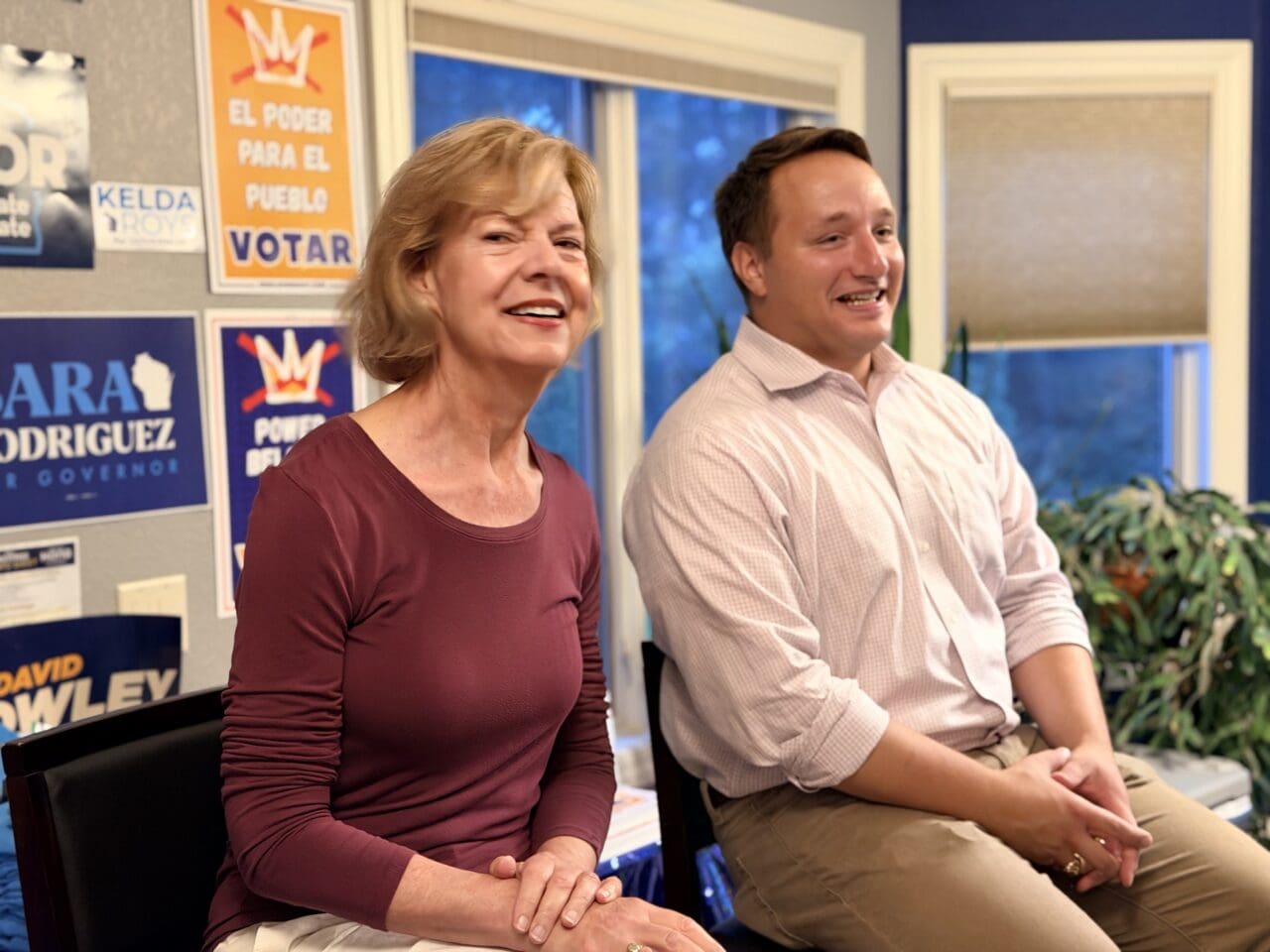
For many Wisconsin families, the gap between making ends meet and falling behind financially comes down to one or two critical decisions — whether to pay the electricity bill or the property tax, whether to see a doctor or buy groceries. In Wisconsin’s Assembly District 61, one candidate is making those everyday struggles the centerpiece of his campaign.
Democrat Ben Brist is challenging Republican incumbent Bob Donovan in one of the state’s most closely watched legislative contests this midterm election. The district spans parts of southwest Milwaukee and surrounding suburbs — communities where Brist says residents are being squeezed by healthcare costs, rising rents, and property taxes that keep climbing higher. Originally reported by UpNorthNews, Brist’s story speaks directly to the healthcare and financial pressures reshaping daily life for Wisconsin families.
The Human Cost Behind the Policy Debate
After knocking on roughly 2,500 doors and holding around 500 conversations with residents, Brist says the message from constituents is consistent and urgent. Healthcare costs, prescription drug prices, and high property taxes dominate kitchen-table conversations across the district.
The stories he’s collected put a human face on what often gets reduced to budget line items in Madison.
“I talked to a retired woman in the Milwaukee part of my district who had to come out of retirement to go back to work part time because she couldn’t keep up with costs and didn’t know how she would make her rent payments. She had recently started selling her plasma to make ends meet.”
Another story stopped him in his tracks.
“A retired Army vet told me he was trying to decide between paying his property taxes so he could keep his house, paying his We Energy bill so he could keep his electricity on and paying to get his car fixed so he can still get around.”
These aren’t abstractions — they are the direct consequences of policy choices made in the state capitol, Brist argues.
“People are mad right now and they’re frustrated. … Republican leaders in both Washington and in our state legislature in Madison, have made life more expensive, made it harder to afford everyday things like rent, electricity, groceries, and prescription drugs.”
Medicaid Expansion: A Coverage Gap Wisconsin Chose to Keep
At the center of Brist’s healthcare platform is Medicaid expansion. Republicans have held majorities in Wisconsin’s state Assembly and Senate since 2011, and during that time, GOP lawmakers have repeatedly declined the federal government’s offer to expand Medicaid and BadgerCare — a decision that affects how many low-income Wisconsinites can access affordable health coverage.
Brist says accepting federal Medicaid dollars would lower healthcare costs for families across the state and reduce financial pressure on households that are one medical bill away from crisis.
“That should be a day one priority,”
he said, adding that he also supports creating a statewide public-option healthcare plan that would give residents more affordable insurance choices.
He places responsibility for that coverage gap squarely on his opponent.
“Bob Donovan is part of the Republican majority in the state legislature that has voted against [Medicaid] expansion multiple times. He has voted to defund public education, which has led to higher property taxes, and he has voted against capping the price of insulin and other lifesaving prescription drugs.”
For families with diabetes or other chronic conditions, the cost of insulin and prescription medications is not a political talking point — it’s a monthly calculation that determines whether they stay healthy or go without. Brist’s support for capping insulin prices reflects a broader argument that prescription drug affordability is a healthcare access issue with life-or-death stakes.
School Vouchers, Property Taxes, and the Hidden Healthcare Connection
Brist also draws a direct line between Wisconsin’s school voucher program and the property tax burden that is squeezing seniors and working families out of their homes. Vouchers currently pay up to $13,371 per pupil in taxpayer funds to private schools. Brist argues that sustaining two parallel education systems — one public, one privately subsidized — has strained school budgets and pushed property taxes to unsustainable levels.
“We cannot afford to continue to fund two education systems: a private school system paid for by taxpayer-funded vouchers of up to $13,371 per pupil, and a public school system. This has led to struggling school districts and sky-high property taxes. Undoing vouchers won’t be a quick or simple process, but we have to do it over time.”
Those soaring property taxes directly affect healthcare security. When a fixed-income retiree must choose between keeping a roof overhead and paying for medications or doctor visits, the connection between local fiscal policy and personal health becomes painfully clear.
Reproductive Healthcare: A Sharp Divide
On reproductive rights, the contrast between Brist and Donovan is stark. Donovan has called abortion
“manifest wickedness,”
and voted to keep Wisconsin’s 1849 abortion ban in place. In 2024, Donovan also voted to impose an abortion ban after 14 weeks of pregnancy, a proposal that was ultimately vetoed by Democratic Governor Tony Evers.
Brist wants to repeal the 1849 law entirely and enshrine reproductive rights in state statute — a position that has significant implications for women’s healthcare access, including maternal care and the ability of physicians to provide full medical treatment without legal risk.
“We should all be able to agree that decisions about abortion should not belong to a legislator in Madison,”
Brist said.
A Candidate Shaped by Service
Brist grew up in Madison and served as a paratrooper in Iraq and Kuwait with the Army’s 82nd Airborne Division, later becoming a Company Commander in the 4th Infantry Division. After leaving the military, he worked for Senator Tammy Baldwin and Dane County Executive Melissa Agard. He and his wife Hannie, a former military intelligence officer, now live in Greendale and are hoping to start a family.
That background in service — both military and public — shapes how Brist frames his candidacy. He describes a distinction between officials who genuinely pursue public service and those who simply seek elected office, and argues his time serving alongside Americans from every corner of the country prepared him to advocate for all constituents regardless of party.
“It’s living a life where you’re actually pursuing public service and one where you’re just seeking public office. It’s that ability to find that common purpose and work with anybody to get stuff done to make Wisconsin a better place.”
For more on the 2026 midterm landscape, including coverage of other competitive races, see related reporting on the Talarico vs. Paxton Senate race in Texas, misleading school board attacks on Villegas, and how Jenny Costa Honeycutt’s ties to developers are shaping her race.