The EPA’s Shift in Evaluating Air Pollution Regulations Sparks Health Concerns
In a significant departure from previous policy, the Environmental Protection Agency (EPA) has decided to abandon assigning a monetary value to the health benefits of air pollution regulations. This change, which critics argue could ease the rollback of existing regulations, focuses specifically on fine particles and ozone, known to adversely affect human health.
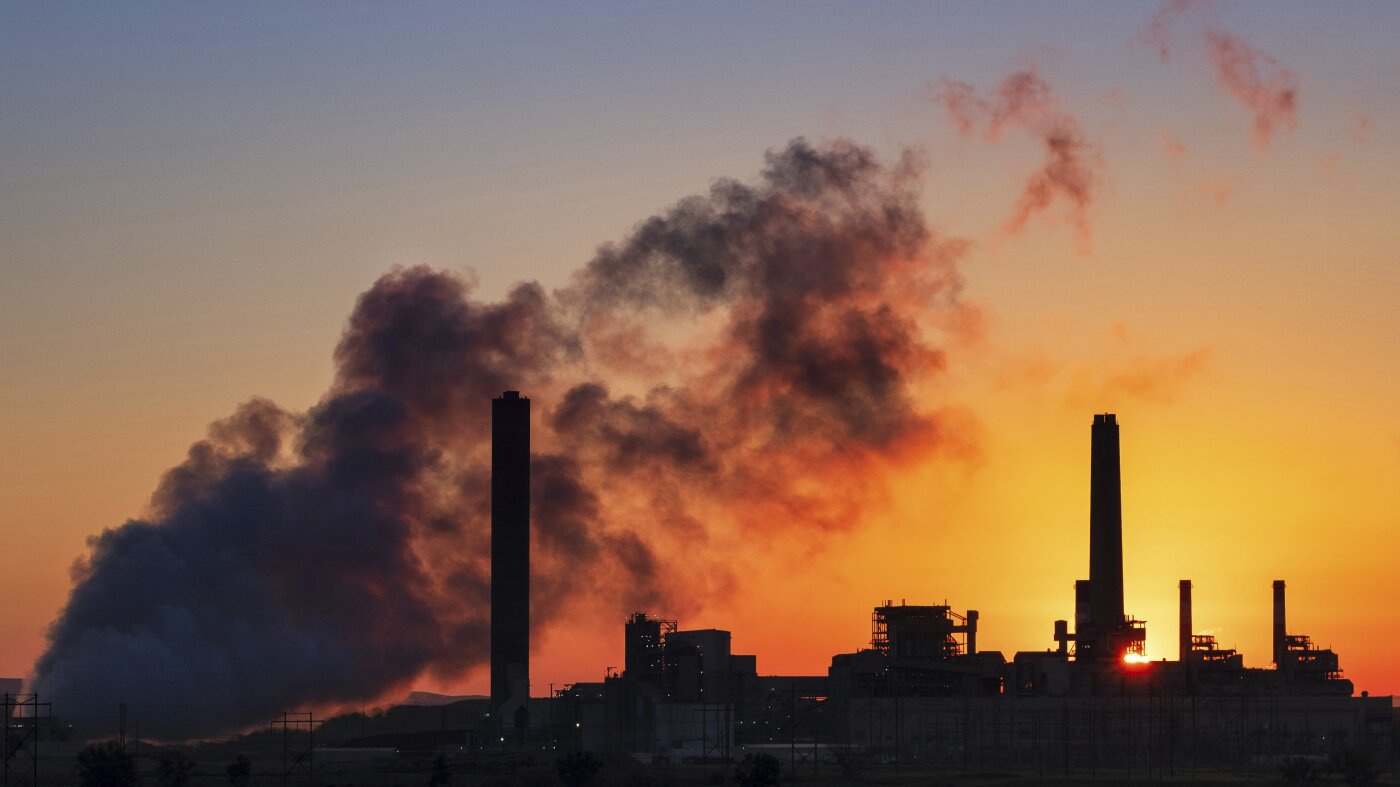
The EPA’s new approach, detailed in a recent rule, affects air pollution guidelines for power plant turbines. These turbines, which burn fossil fuels, contribute to emissions of fine particles, often referred to as soot. Previously, the EPA had calculated the economic impact of health benefits derived from reducing these pollutants, but the agency now cites “too much uncertainty” in such estimates.
Brigit Hirsch, EPA press secretary, stated that while health benefits are still considered, they will not be monetized until the agency revisits its assessment methods. This move has raised concerns among health experts who fear a potential increase in pollution levels and associated health risks.
“I’m worried about what this could mean for health,” says Mary Rice, a Harvard University pulmonologist and air pollution expert. “Especially for people with chronic respiratory illnesses like asthma and COPD, for kids whose lungs are still developing, and for older people, who are especially susceptible to the harmful effects of air pollution on the heart, lungs and the brain.”
The Health Implications of Fine Particle Pollution
Fine particles, or PM2.5, emerge from various sources, including coal and gas power plants. Long-term exposure to these particles has been linked to severe health problems, such as increased asthma rates, heart attacks, dementia, and premature death. According to the EPA’s previous assessments, reducing such pollution has saved over 230,000 lives and billions of dollars annually.
Richard Revesz, an environmental law expert from NYU, cautions that this policy shift could lead to further deregulation. He explains that while economic costs to industries are still calculated, the absence of quantified health benefits makes it easier to overlook their importance. “By just saying we are assuming no harm doesn’t mean there is no harm,” he says.
Historical Context and Regulatory Changes
Since a 1981 executive order under President Reagan, the EPA has been required to evaluate both costs and benefits of significant regulations. While cost assessments are straightforward, the agency has developed methods to estimate life-saving benefits and avoided health issues, translating them into economic savings. Often, the EPA identified high benefit-to-cost ratios, with the Clean Air Act cited for ratios of 30 to 1.
The Supreme Court in 2014 mandated that both benefits and costs be considered, though it did not specify how. Jeffrey Holmstead, an EPA expert, notes that while the EPA has discretion in its approach, not calculating monetary benefits for PM2.5 and ozone is unprecedented in recent times.
Beyond Air Pollution
Revesz points out that the EPA, under the Trump administration, has also reconsidered economic benefits in other regulatory areas. For example, the agency did not account for consumer benefits from electric vehicles in its vehicle emissions standards rollback. Similarly, societal benefits of reducing greenhouse gases were left uncalculated, and health savings estimates were lowered.
EPA administrator Lee Zeldin, in a 2025 statement, emphasized his focus on reducing costs for consumers and businesses, further illustrating the agency’s shift in regulatory priorities.