
Addressing the Opioid Crisis: Challenges in Delivering Medication to Incarcerated Individuals
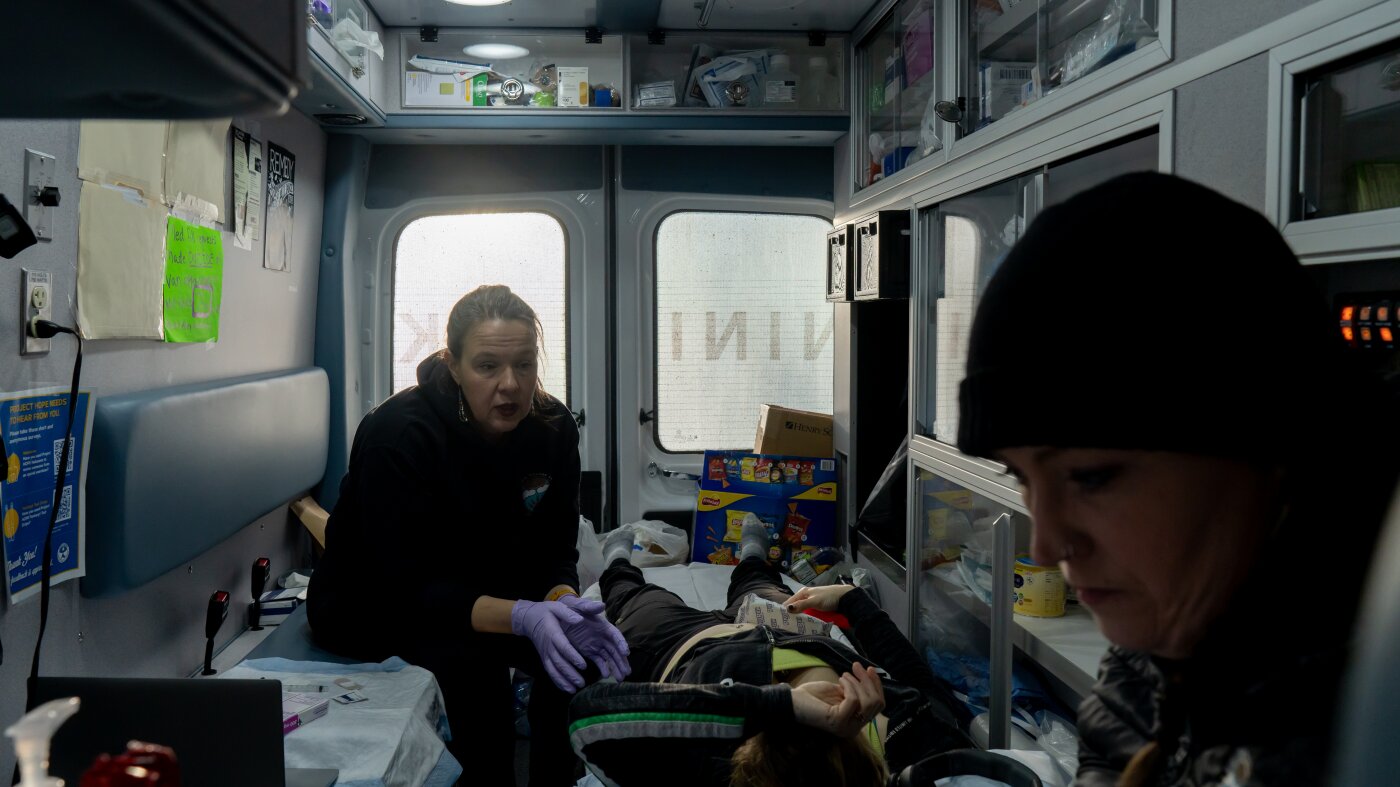
In Alaska’s remote Kenai Peninsula, a small clinic is making strides in treating opioid use disorder, yet challenges remain for those entering the prison system. Dr. Sarah Spencer, working at the Ninilchik Community Clinic, administers crucial medication to patients like H., who face incarceration without guaranteed access to life-saving treatment.
Despite the known risks of overdose among recently released inmates, many U.S. correctional facilities, including Alaska’s, do not offer consistent access to medication-assisted treatment. This gap in care increases the risk of relapse and overdose for individuals like H., who strive to maintain sobriety but face systemic barriers.
Struggling for Consistent Treatment
The Ninilchik Community Clinic aims to bridge this gap by providing pre-incarceration support, but their efforts stop at the prison gates. “I wanted to cover my bases, because I really, really wanted to do good,” H. explained, underlining her determination to stay sober.
Research underscores the importance of medication in preventing relapse and overdose. A study highlights that medication for opioid use disorder significantly lowers overdose death risk. However, once incarcerated, individuals often lose access to these medications, increasing their vulnerability upon release.
Complexities of Correctional Healthcare
Dr. Spencer and her colleagues are familiar with the limitations imposed by current policies. The Alaska Department of Corrections (DOC) provides only 30 days of medication for those already receiving treatment before incarceration, with rare exceptions for pregnant individuals. This approach contrasts with best practices that advocate for seamless medication access and post-release care planning.
Learning from Other States
Rhode Island serves as a model for comprehensive inmate healthcare, offering consistent treatment for substance use disorders since 2016. This initiative led to a 61% decrease in overdose deaths among recently released individuals. Dr. Jennifer Clarke, who spearheaded Rhode Island’s program, emphasized the program’s success in reducing withdrawal symptoms and improving focus on recovery.
Seeking Solutions Amidst Systemic Challenges
Despite these successful models, access to opioid disorder medication remains inconsistent nationwide. A study found less than half of U.S. jails offer medication access. Redonna Chandler, a former National Institute on Drug Abuse psychologist, notes the lack of qualified providers and the black market for medications in prisons complicate efforts.
Efforts to address these issues include transitioning from pills to injectable formulations, which are less prone to diversion. Yet, for patients like H., treatment remains a pre- or post-incarceration option, with limited availability within prisons.
As the Alaska DOC plans to expand access to opioid disorder medications by 2026, individuals like H. continue to seek support outside the prison system. “It would just be so huge to be able to get it in jail too,” H. said, highlighting the importance of continued advocacy for comprehensive inmate healthcare.
This article was originally written by www.npr.org




