Families in Minneapolis Face Heightened Anxiety Amid ICE Operations
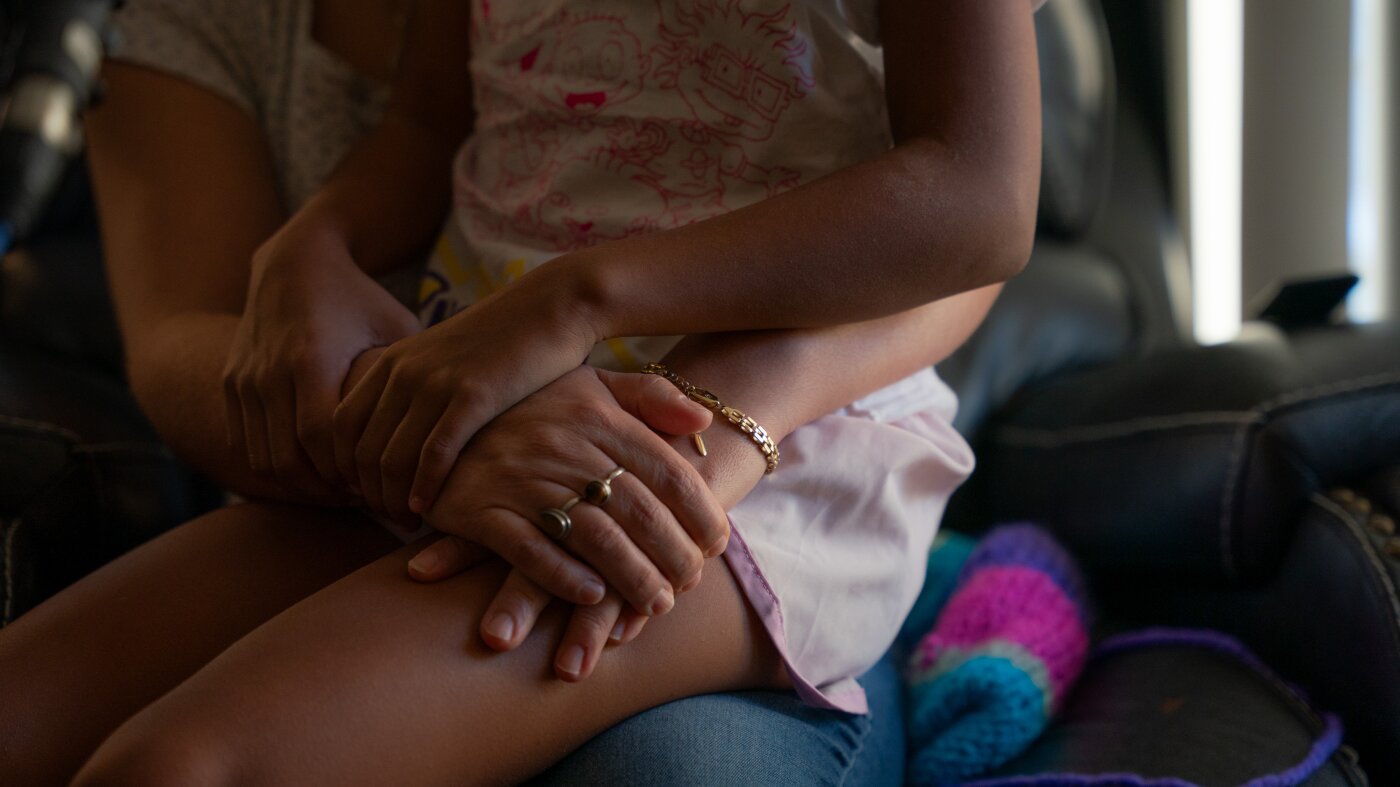
In a quiet Minneapolis neighborhood, the sound of protesters’ whistles and horns breaks the stillness, signaling the presence of immigration officers. Inside a nearby apartment, a mother, referred to as A, remains indoors with her family, fearing detention by ICE. Her daughters, both U.S. citizens, are affected by their prolonged confinement, with the youngest experiencing more tantrums.
A, who has not left her home for nearly a month, explains, “We haven’t gone outside for anything in almost a month.” Her 10-year-old daughter often questions why they cannot play outside, while the mother reassures her it is not safe. Recent incidents in Minnesota underscore the dangers, including the death of Renee Macklin Good by an ICE officer and the use of chemical irritants on students during their school’s dismissal.
In another suburb, federal officers detained a 5-year-old boy, reportedly using him as “bait” to lure his family members out. The location of the boy remains unknown, and local officials have criticized the actions, questioning the justification of detaining a child.
The impact of these events on children in Minneapolis is profound. Dr. Razaan Byrne, a pediatrician, notes an increase in stress-related symptoms among her patients, including anxiety and regression in developmental milestones.
Parents in the area express concern for the long-term effects of such stress. Jennifer Arnold, whose son attends an immigrant-majority school, reports his distress and worry for his classmates’ families. Meanwhile, Kelly Fulton describes her daughter’s fear after witnessing ICE activities during a playdate, prompting her to seek refuge in their basement.
In response to these fears, community members are taking action to ensure children’s safety. Parents have organized to safeguard students during school dismissals, although attendance has dropped due to fear of ICE presence.
Another Minneapolis resident, V, shares a similar story of isolation with her daughter, who is also a U.S. citizen. They have remained indoors for over a month, relying on remote learning and neighbors for support. Although V reassures her daughter about their safety, she remains aware of the potential for ICE intervention.
Amid the heightened ICE operations, families in Minneapolis continue to navigate their fears and protect their children, creating a complex and tense environment in the city.
This article was originally written by www.npr.org