Massive Sewage Spill in Maryland: A Wake-Up Call for Infrastructure Overhaul
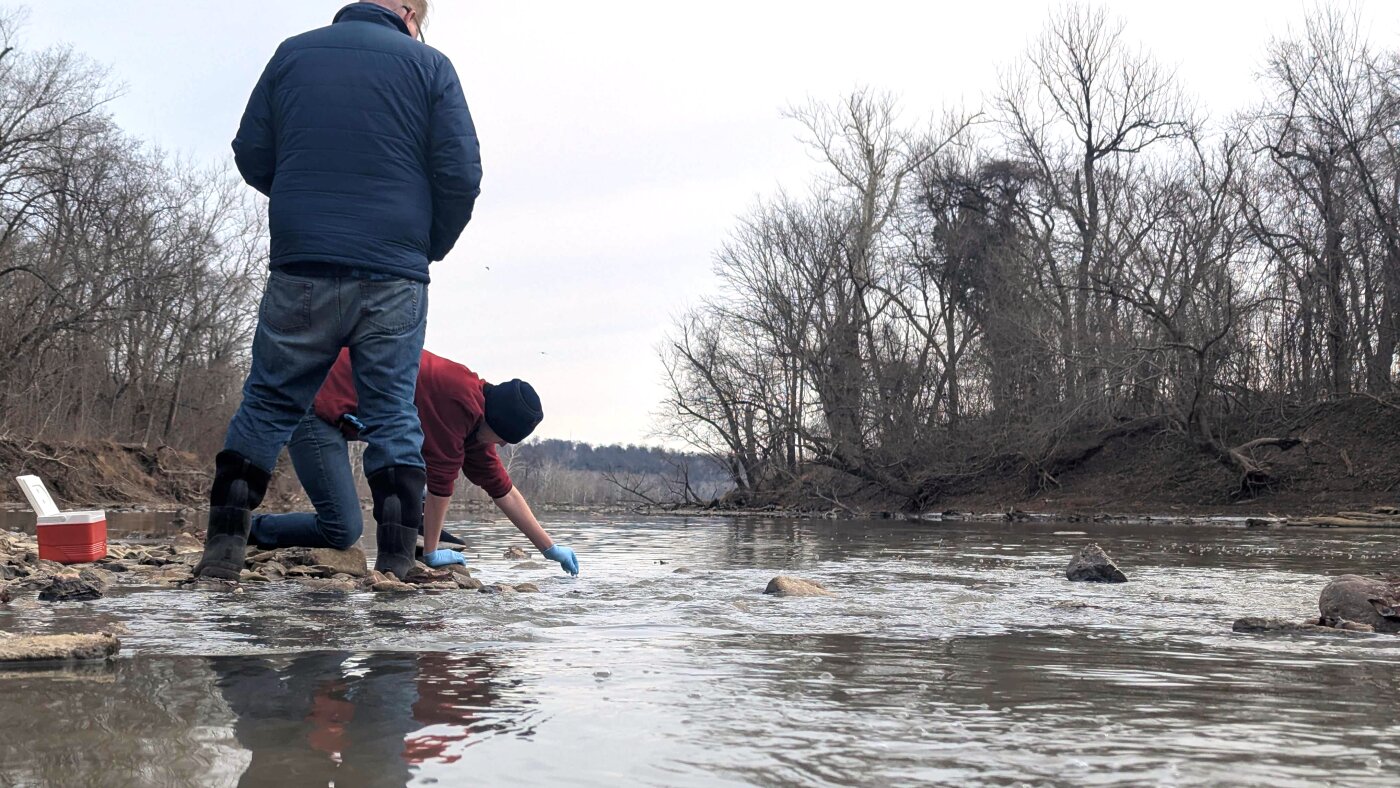
Maryland’s Potomac River became the center of attention in January when a sewage pipe, part of an aging system, ruptured and released over 200 million gallons of raw sewage. This unfolding environmental crisis has not only raised alarms about the condition of America’s infrastructure but has also highlighted the urgent need for modernizing these systems.
Efforts are underway by DC Water to mitigate the damage through pump systems and a steel bulkhead to redirect wastewater, ensuring the area’s drinking water remains safe. However, concerns remain about the ecological impact on the Potomac River and its extensive watershed, which feeds into the Chesapeake Bay.
Gary Belan from the advocacy group American Rivers commented on the potential hazards of raw sewage, noting the presence of waste, bacteria, pharmaceuticals, and chemicals. He warned, “A lot of that stuff can sink to the bottom of the river, have impacts on fish reproduction, bird reproduction, killing a lot of the insects, contaminating the soil.”
The Potomac incident ranks among the largest sewage spills in U.S. history, underscoring a common infrastructure problem, according to Gussie Maguire from the Chesapeake Bay Foundation. The combination of aging sewer systems and the increasing frequency of heavy rains due to climate change is exacerbating the issue, especially in rapidly growing communities.
Maguire emphasized the climate link, stating, “The intensity is a really important part of it. It is absolutely a climate problem that will continue to get worse.”
The cause of the Maryland sewer collapse remains uncertain. While DC Water had previously identified corrosion in the 1960s-era pipe, plans for repair were not implemented in time. The spill has already elevated E. coli levels, and as temperatures rise, potential algae blooms in the river could further harm aquatic life, explained Mike Gerel of the Chesapeake Bay Foundation.
Beyond environmental impacts, the spill poses risks to waterfront communities and recreational users of the Potomac River. Dean Naujoks, Potomac riverkeeper, questioned how to reassure the public of the river’s safety, noting, “Once you put 243 million gallons of raw sewage into a river, any river, you’re not getting it back out.”
The incident has prompted D.C. Mayor Muriel Bowser to seek federal disaster assistance. Meanwhile, the EPA has pledged support to expedite the response. Although some political figures have attempted to shift blame, the responsibility for addressing such crises largely falls on federal oversight and support.
David Gadis, CEO of DC Water, reflected on the broader implications, stating, “The incident underscored a broader reality facing utilities across the country: much of the infrastructure that protects our waterways was built decades ago, long before today’s environmental standards, population growth, and climate pressures.”
As the nation grapples with these challenges, experts like Gerel advocate for significant infrastructure investment, emphasizing the need to prioritize both visible and underground systems. “I love bridges, I love safe roads,” he remarked, “but I also love unsexy pipes that are underground. We need to fix those.”
This article was originally written by www.npr.org