Controversial Move: Pregnant Unaccompanied Minors Sent to Single Texas Shelter
In a move that has sparked significant concern, the Trump administration has directed all pregnant unaccompanied minors caught by immigration enforcement to be sent to a single shelter in South Texas. This decision has been met with strong opposition from health and child welfare officials within the administration, who argue that the facility and the local region lack the necessary resources to provide the specialized care these girls require.
Seven officials from the Office of Refugee Resettlement (ORR) within the U.S. Department of Health and Human Services have voiced their concerns. These officials, who manage children crossing the border without their parents or legal guardians, have indicated that the minors stay in ORR’s care until they are either released to an adult, deported, or reach the age of 18. All officials requested anonymity out of fear of retaliation.
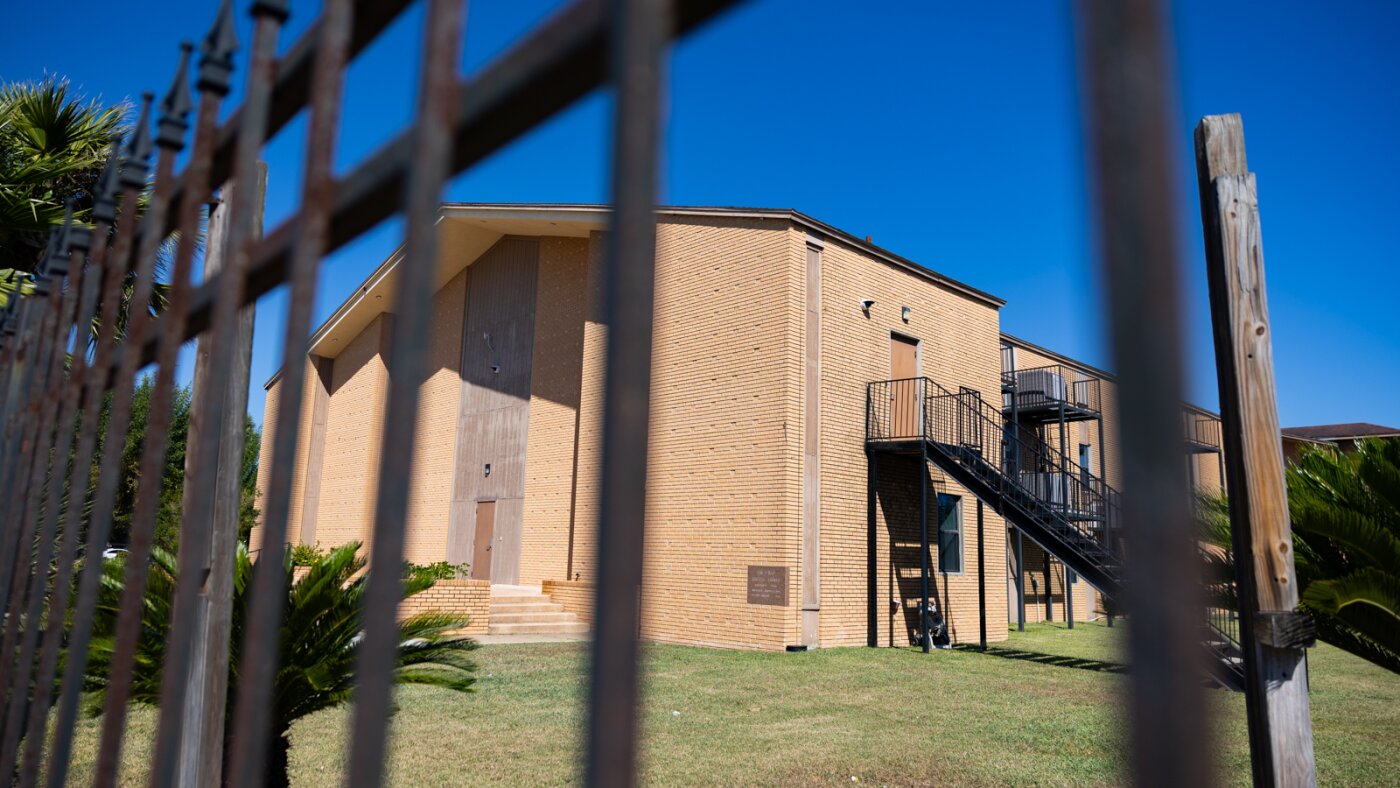
Since late July, over a dozen pregnant minors, some as young as 13, have been placed in the Texas facility located in San Benito. Alarmingly, reports suggest that at least half of these minors became pregnant as a result of rape, classifying their pregnancies as high-risk, especially for the youngest girls.
Despite this, ORR officials were not informed why the girls are being concentrated in one location. Many suspect the administration’s motive is to limit the minors’ access to abortion by placing them in a state with stringent abortion laws. “This is 100% and exclusively about abortion,” stated Jonathan White, a former federal health official who managed ORR’s unaccompanied children program. White, recently retired, noted previous attempts by the administration to restrict abortion access in 2017.
In response to allegations regarding the motives behind the move to San Benito, the Department of Health and Human Services (HHS) stated, “ORR’s placement decisions are guided by child welfare best practices and are designed to ensure each child is housed in the safest, most developmentally appropriate setting, including for children who are pregnant or parenting.”
However, several ORR officials have contradicted this statement, arguing that placing pregnant minors in San Benito does not align with child safety protocols. An internal email from ORR’s acting director, Angie Salazar, dated July 22, 2025, instructed agency staff to send “any pregnant children” to the San Benito facility.
Though none of the pregnant girls at the facility have reported major medical issues since the directive, ORR officials remain concerned about potential risks. “I feel like we’re just waiting for something terrible to happen,” one official expressed.
Concerns Over Medical Care in Texas
Pregnant minors in San Benito face significant health challenges due to their location in one of Texas’s most underserved healthcare regions. The specialized obstetric care required is primarily available in larger cities, hours away from San Benito. Texas’s near-total abortion ban has further complicated access to essential healthcare, leaving many doctors uncertain about the legal boundaries of their practice.
“It’s not good to be a pregnant person in Texas, no matter who you are,” said Annie Leone, a nurse midwife with experience in caring for migrant women. The high number of uninsured patients and inadequate healthcare resources across Texas exacerbate the situation.
Facility’s Troubled History
The San Benito shelter, operated by the for-profit contractor Urban Strategies, has a history of issues, including failing to arrange timely medical appointments for pregnant girls and not providing adequate follow-up care. Despite these concerns, the facility continues to receive pregnant minors, as the directive remains unchanged.
Urban Strategies’ founder, Lisa Cummins, has expressed the company’s commitment to the well-being of the children in their care, referring further questions to the federal government. HHS defended Urban Strategies’ track record, citing a low staff turnover and high-quality care.
Political Implications and Future Concerns
Jonathan White, who previously managed ORR’s unaccompanied children program, views the current actions as a continuation of an anti-abortion policy shift that began in 2017. The Heritage Foundation’s Project 2025 outlines a conservative blueprint for federal policy changes, including restricting abortion access for unaccompanied minors.
The Trump administration’s recent executive order aims to end the use of federal funds for abortions, with the Department of Justice reconsidering the Hyde Amendment’s application. ORR is also working to repeal a Biden-era rule requiring the relocation of minors seeking abortions to states where it is legal.
While some officials remain uncertain about the future of abortion access for minors in ORR custody, the administration’s actions suggest a concerted effort to limit options. Experts believe that the San Benito directive and regulatory changes are designed to prevent pregnant minors from accessing abortions, even in high-risk situations.
This article was originally written by www.npr.org