Immigration Backlogs Surge Amid Policy Changes, Leaving Millions in Limbo
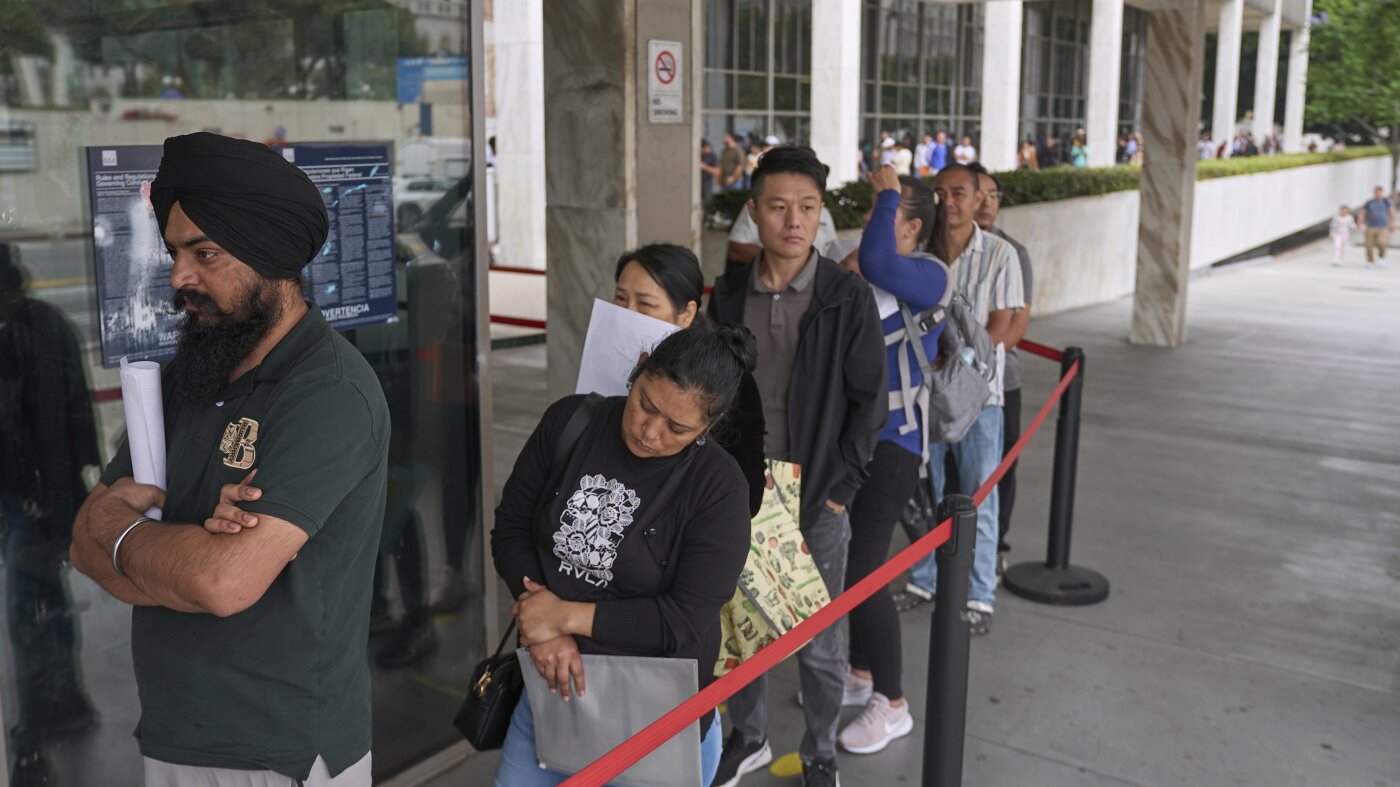
As the U.S. grapples with a surge in immigration backlogs, millions find themselves in a state of uncertainty. Under the second Trump administration, processing delays have left many immigrants vulnerable, waiting for decisions that could determine their futures in the country.
An analysis by NPR indicates that nearly 12 million applications for various immigration services, including citizenship and work permits, are pending. This increase is attributed to the Department of Homeland Security’s (DHS) prolonged processing times, which have significantly lengthened since last year.
The backlog underscores a broader strategy by the Trump administration to slow legal immigration. Applications sit unacknowledged for months, increasing the risk of deportation for many. According to David Bier, director of immigration studies at the libertarian Cato Institute, the administration’s focus is on “deportations and arrests as your measure of success.”
Among the 11.6 million applications waiting in the “backlog,” there are thousands more classified as “frontlog.” These are applications that haven’t been opened and categorized yet, highlighting the challenges immigrants face in securing legal status.
USCIS, the agency responsible for processing these applications, has recently adopted stricter policies. A spokesman for USCIS, Matthew Tragesser, claims the administration has introduced “screening and vetting processes” that were previously ignored, emphasizing the need for thoroughness for national security.
However, these changes have caused significant distress. Luis Cortes Romero, an immigration attorney in Seattle, described the tense discussions with clients. One client, after waiting a year, was denied a green card interview due to paperwork delays.
Early Year Surge in Pending Applications
Data reveals a significant jump in pending applications during the first year of Trump’s second term, surpassing the total increase during his initial four years. The delay in processing is uneven, with some cases resolved quickly while others linger, increasing deportation risks.
Nicole Melaku from the National Partnership for New Americans noted that the administration’s approach is “slow-walking or even denying the opportunity” for immigrants to adjust their status. The administration also paused reviews for asylum applications and those from countries on a travel ban list, citing security risks.
Elizabeth Jacobs of the Center for Immigration Studies points out that the backlog increase may stem from eliminating alternative programs for legal status, though it remains a concern for both the government and immigrants.
Challenges in Processing Applications
Despite some electronic filing options, most USCIS applications are still processed by mail. This antiquated system is causing chaos, as noted by attorney Cortes Romero. Renata Castro, another immigration lawyer, highlighted the anxiety caused by the lack of acknowledgment from USCIS, which can take months.
Felicia Escobar Carrillo, former USCIS chief of staff, explained that the tracking of uncategorized applications began in 2023. The number of frontlog cases was zero in early 2023 but surged under Trump’s second term, reaching nearly 248,000 by September 2025.
Castro emphasized the toll this uncertainty takes on both her practice and her clients’ mental health, stating that they are “overwhelmed, tired and frazzled from the uncertainty.”