U.S. Department of Justice Extends Deadline for Digital Accessibility Compliance
The U.S. Department of Justice has announced a delay in the compliance deadline for public entities to make their digital content accessible to individuals with disabilities. Institutions now have an additional year to meet the updated Americans with Disabilities Act (ADA) standards, a move that has sparked criticism among disability rights advocates.
Initially, public colleges, K-12 schools, and local governments were expected to comply with new federal accessibility guidelines by this Friday. However, the deadline has been extended to April 26, 2027, for institutions serving 50,000 or more people, and to 2028 for smaller entities. This decision provides more time for these organizations to align with the updated ADA requirements.
The Justice Department’s interim final rule noted it “overestimated the capabilities (whether staffing or technology) of covered entities to comply with the rule in the time frames provided.” This acknowledgment comes as a relief to some institutions struggling with the logistics of compliance but has disappointed many in the disability rights community.
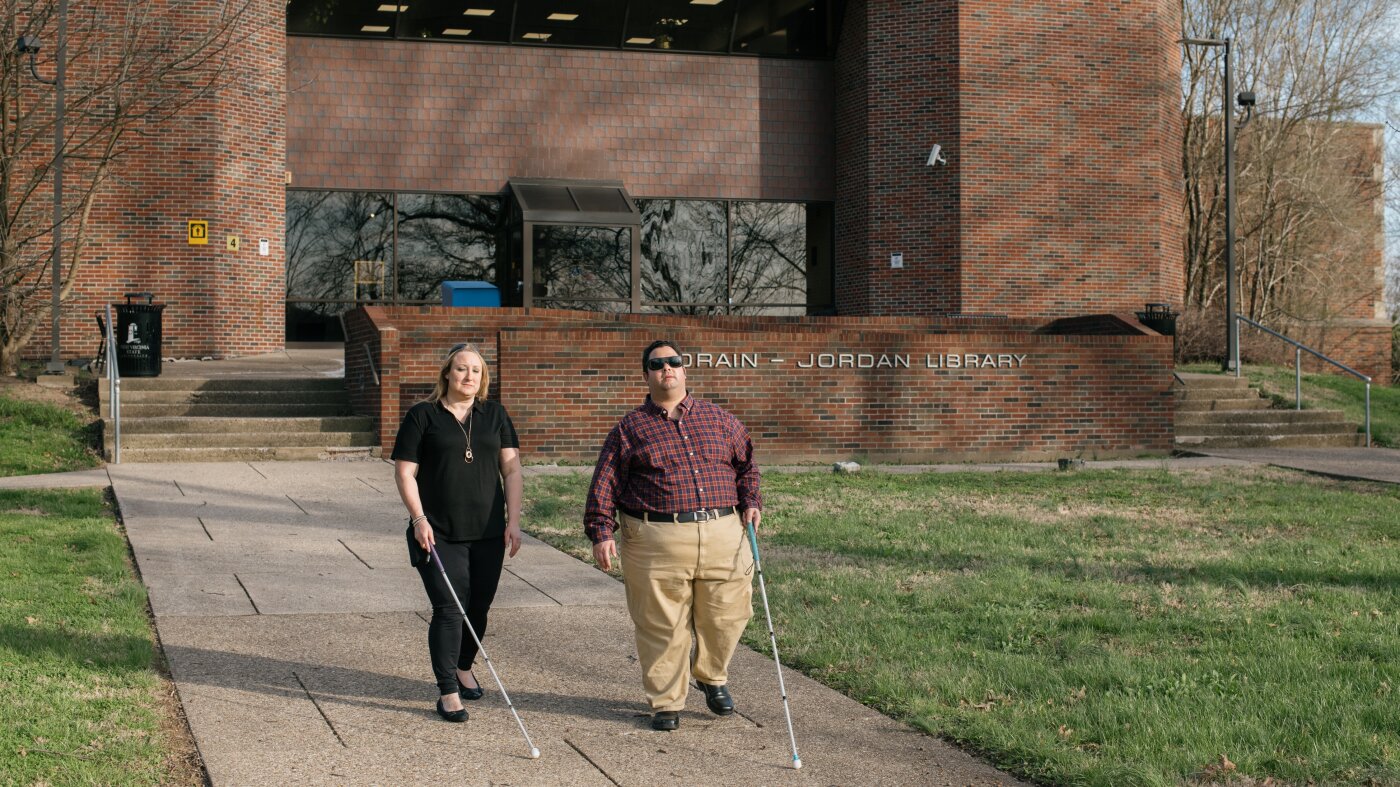
Corbb O’Connor, president of the National Federation of the Blind of Minnesota, expressed his frustration, stating, “Yet again, the blind have been told to wait to live on terms of equality.” O’Connor highlighted that despite the recent introduction of the rule, international standards for web accessibility have been in place since 1999.
The Association on Higher Education And Disability (AHEAD) also voiced concerns over the delay. Katy Washington, president of AHEAD, emphasized the need for timely guidance, saying, “Postponing these updates slows critical momentum and leaves institutions without the clarity needed to fully realize equitable access.”
Addressing the Need for Clear Guidelines
Corbb O’Connor, who is blind, expressed that the delay isn’t merely about an extra year of waiting. “We’ve been waiting nearly 36 years since the law that guaranteed these rights, the one that heralded a new era of access, was signed into law,” he said, referencing Title II of the ADA from 1990.
The new regulation, introduced in 2024, sought to provide clear guidelines through the technical standards of WCAG 2.1. These guidelines outlined requirements such as providing transcripts for audio clips and ensuring PDFs are compatible with screen readers.
Jennifer Mathis, involved in crafting the original rule, noted the importance of these guidelines for creating certainty and clarity. “To delay the standards now, after 16 years and an incredibly thorough rulemaking process, is just mindless and cruel,” Mathis commented.
The Justice Department’s decision to postpone was influenced by concerns over the financial and staffing challenges faced by educational and governmental institutions. Sasha Pudelski from AASA, the School Superintendents Association, pointed out the financial strain on districts, stating, “Many districts are already financially stretched and operating in an environment where schools are asked to do more with less.”
While the new federal rules are on hold, several legal actions have been successful in ensuring colleges and institutions provide equal access to learning materials. These cases highlight ongoing efforts to uphold digital accessibility standards, even as broader regulations face delays.