Strait of Hormuz Tensions Rise as Peace Talks Falter
Recent events in the Strait of Hormuz have intensified global concerns, with attacks on multiple ships threatening potential peace dialogues. Iran’s response to a ceasefire extension by the U.S. has cast doubt on diplomatic efforts.
On Wednesday, three vessels were attacked in the Strait of Hormuz, destabilizing hopes for peace. According to the United Kingdom Maritime Trade Operations (UKMTO), Iran’s Revolutionary Guard targeted the first ship, causing significant damage, though no injuries were reported. The UKMTO stated, “The Master of a Container Ship reported that the vessel was approached by 1 IRGC gun boat,” which subsequently fired on the ship without prior warning, heavily damaging the bridge (source).
Iran’s Tasnim News Agency confirmed the incident, asserting the ship had ignored multiple warnings (source). Responsibility for the second ship’s attack remains unconfirmed, though no damage or injuries occurred (source). Fars news agency reported that a third vessel, the Euphoria, was also seized by Iran’s navy, along with two other vessels identified as the MSC Francesca and the Epaminondas (source).
Trump’s Ceasefire Extension and Iran’s Rejection
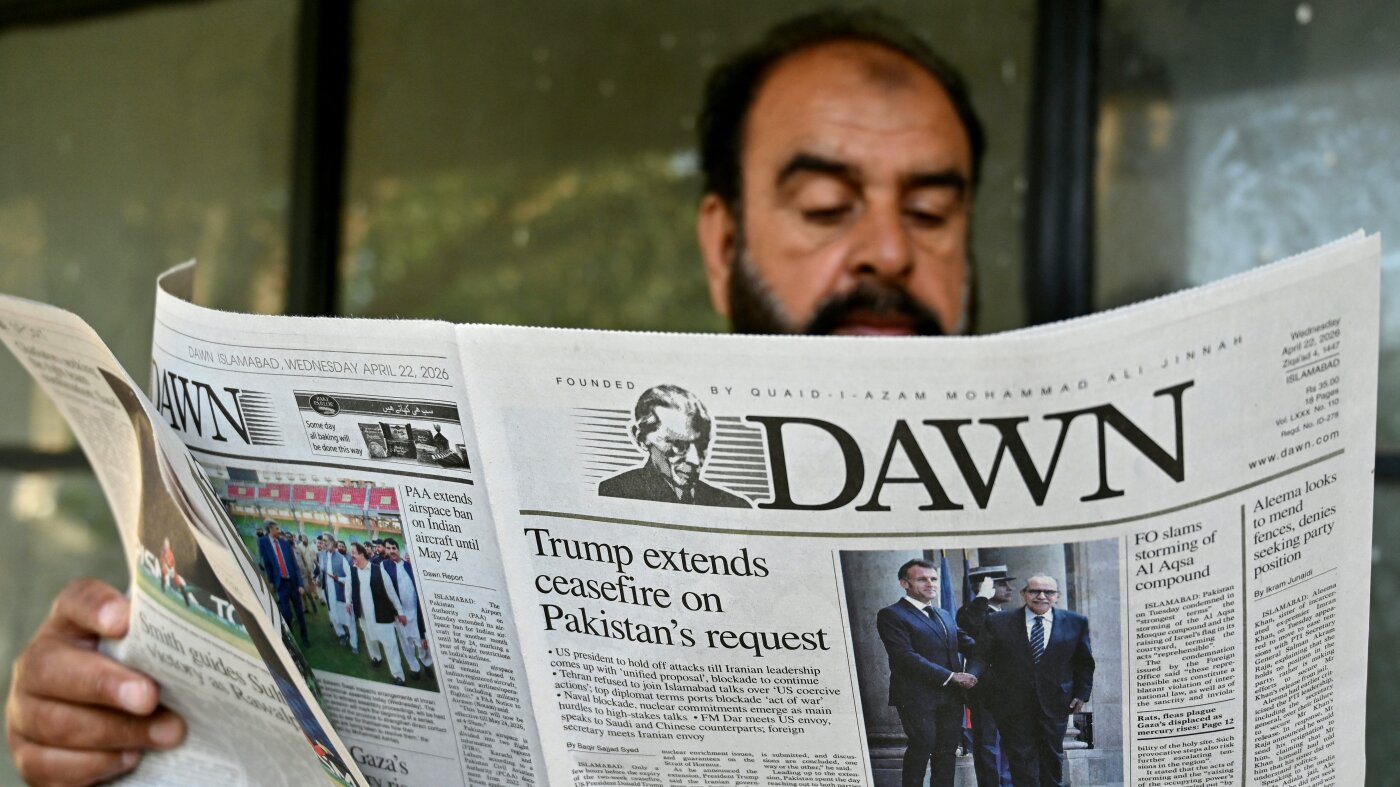
President Trump extended a ceasefire with Iran, aiming to allow Tehran time to propose a unified plan. However, Iran declined to attend scheduled talks in Islamabad, with Mahdi Mohammadi, adviser to Iran’s chief negotiator, stating that “Trump’s ceasefire extension means nothing” (source).
In response, Iranian Foreign Minister Seyed Abbas Araghchi condemned the blockade of Iranian ports as an act of war, emphasizing that the recent U.S. seizure of an Iranian vessel constituted a greater violation.
Economic Impact and International Reactions
President Trump highlighted Iran’s economic struggles, claiming the nation is “collapsing financially” and urgently needs the Strait of Hormuz open. Treasury Secretary Scott Bessent confirmed the continuation of the U.S. naval blockade, threatening to constrain Iran’s oil revenue (source).
Meanwhile, a multinational conference hosted by the UK and France seeks to address the Strait’s reopening, with discussions involving military strategies to remove Iranian-planted mines. The conference aims to form a multinational mission to secure the waterway, given its significance to global oil and energy markets.
Reactions from Global Leaders
U.N. Secretary-General António Guterres cautiously welcomed the ceasefire extension, seeing it as a step towards de-escalation (source). China and the European Union also expressed concerns, emphasizing the need to avoid renewed hostilities.
Impact on the Airline Industry
The ongoing conflict and blockade have significantly impacted the airline industry, with Lufthansa cutting flights due to surging fuel prices. United Airlines has also adjusted its profit forecasts below Wall Street expectations, citing increased fuel costs (source, source).
Key Sticking Points in Negotiations
The U.S. insists on the restoration of commercial shipping through the Strait of Hormuz and seeks Iran’s commitment to forgo nuclear weapons. Iran’s demands include lifting the naval blockade and assurances against resumed hostilities with Israel.