
The Strategic Shift: U.S. Troop Withdrawal from Germany
The Pentagon’s recent decision to withdraw approximately 5,000 American troops from Germany has sparked intense discussions on both sides of the Atlantic. As Germany’s defense minister reassures the nation of its readiness to adapt, questions linger about NATO’s future and the United States’ strategic priorities.
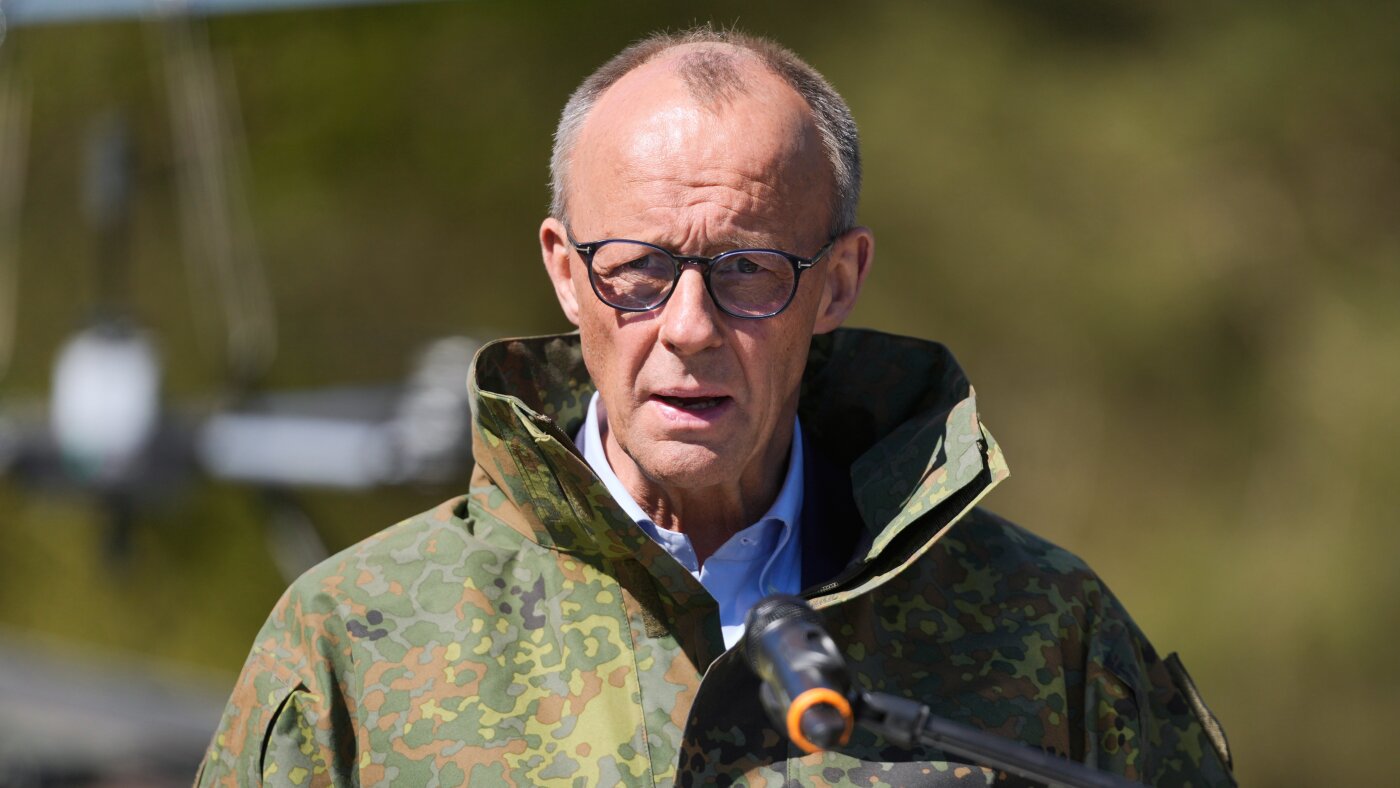
German Chancellor Friedrich Merz gives a statement during his visit to the army at the Bundeswehr base in Munster, Germany, Thursday, April 30, 2026. Markus Schreiber/AP
In a bid to maintain composure, German Defense Minister Boris Pistorius labeled the Pentagon’s move as “anticipated,” emphasizing Germany’s preparedness to assume greater defense responsibilities. He noted, “The presence of American troops in Europe, and particularly in Germany, lies in our interest and in the interest of the US,” during a discussion with German news agency dpa. Pistorius also highlighted Germany’s role in reinforcing NATO’s European pillar to remain a key transatlantic partner.
The Pentagon’s announcement followed a directive from Defense Secretary Pete Hegseth, reflecting a comprehensive evaluation of the U.S. military’s positioning in Europe. Pentagon spokesman Sean Parnell indicated, “We expect the withdrawal to be completed over the next six to twelve months.”
This strategic shift will leave over 30,000 American troops in Germany, reversing a troop increase initiated under President Biden after Russia’s invasion of Ukraine in 2022. The decision comes shortly after German Chancellor Friedrich Merz criticized U.S. actions, stating the country was “humiliated” by Iranian leadership, as reported by the Associated Press.
President Trump had previously attempted a similar reduction during his first term, aiming to withdraw around 9,500 troops in 2020 due to what he described as Germany’s insufficient defense spending. This plan was ultimately halted and reversed by President Biden in 2021.
Allison Hart, a spokesperson for NATO, expressed the alliance’s commitment to collaborating with the U.S. to fully comprehend the withdrawal’s implications. She emphasized the importance of European members increasing their defense investments, a stance she shared on X.
Germany is already undergoing significant defense expansions, planning to allocate over three percent of its GDP to defense by next year, surpassing NATO’s two percent target. These plans, initiated under Chancellor Merz, were detailed in a report last year.
Moreover, President Trump hinted at potential troop reductions in Italy and Spain, questioning their responses to the Iran conflict. Both Italian Prime Minister Giorgia Meloni and Spanish Prime Minister Pedro Sánchez have criticized American military actions in Iran.




