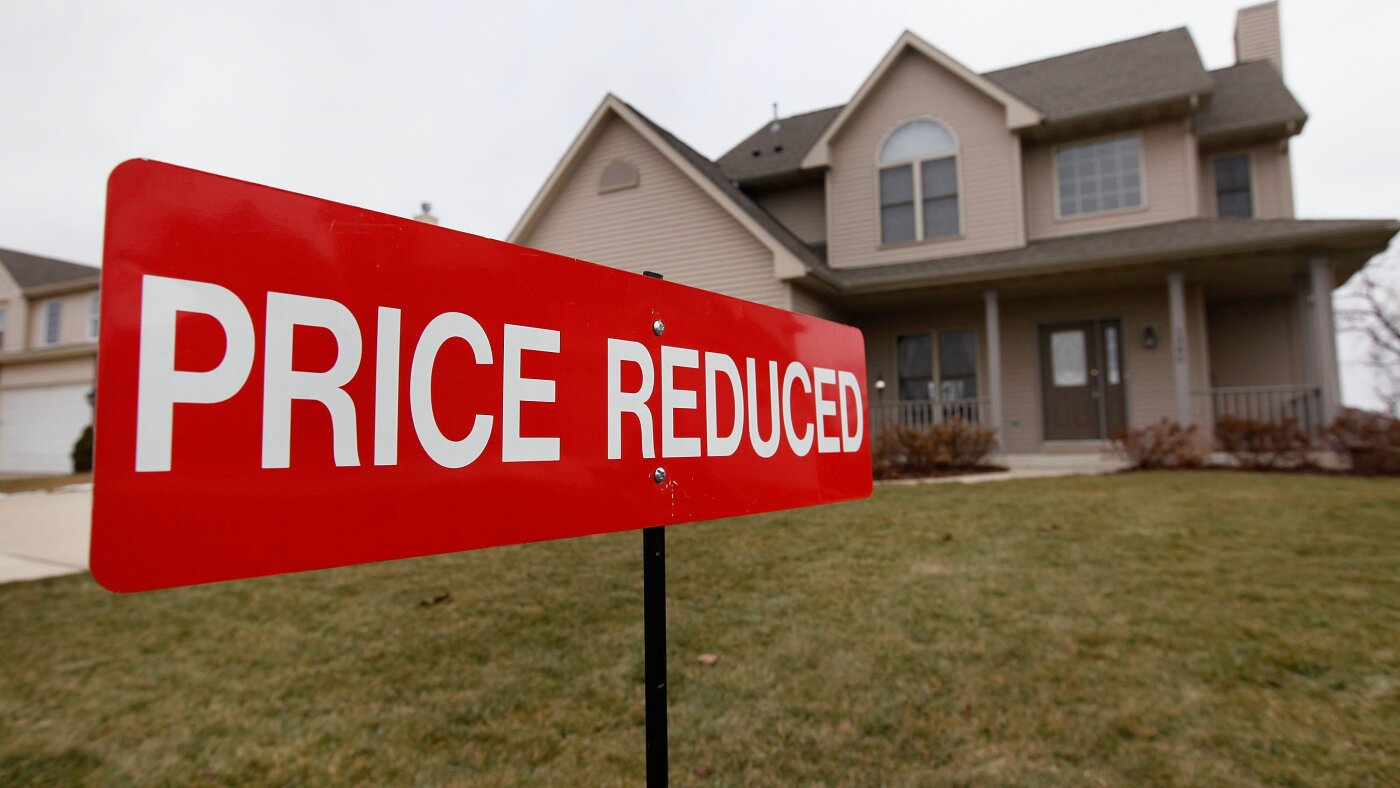
Exploring the Impact of Falling Home Prices: Denver’s Housing Market in Focus
In a time when housing affordability is a pressing issue, Denver’s recent drop in home prices has sparked both curiosity and hope. Karl Baumgartner, a 29-year-old resident of Denver, shares his excitement about the decreasing rent rates in the city, a trend that is reshaping the local housing landscape.
According to the S&P Cotality Case-Shiller Home Price Index, Denver’s housing prices have fallen by more than 2% year over year. This decline is even more pronounced when adjusted for inflation, and rents have dropped even further. Denver is reportedly leading the nation in the pace of falling home values, offering buyers and renters more leverage according to reports.
“As a renter myself, I am ecstatic about the falling prices,” Baumgartner shared. He recently moved to a larger apartment with better amenities, previously unaffordable to him. His friend managed to renegotiate her lease for $500 less per month by highlighting the lower rates of comparable apartments in her area.
While this trend is beneficial for renters, it raises questions about the broader economic implications. Baumgartner wonders about the potential downsides of falling housing prices, given that “negative inflation is bad for the economy in general.” The question remains: are these falling prices a sign of a healthy market where supply is catching up to demand, or are they indicative of underlying economic distress?
Understanding the Economic Dynamics of Housing Prices
Falling home prices can have adverse impacts, particularly for homeowners and landlords. The phenomenon where homeowners feel poorer and spend less due to declining home values, known as the wealth effect, is one such downside. Additionally, a significant drop in home prices can lead to homeowners owing more on their mortgages than their properties are worth, a situation that contributed to the 2008 financial crisis.
Eric Zwick from the University of Chicago Booth School of Business notes the risk of debt when prices fall, highlighting how lax lending standards previously led to economic damage during the Great Recession. “That created a kind of cascade of forced sales, further price declines, more people defaulting potentially, and then spillovers into the financial system, which then affected everybody,” Zwick explains.
Despite these risks, falling home prices can also indicate positive market changes. When prices decrease due to an increase in housing supply, it can be a sign of a healthy economic adjustment. Kevin Matthews from Denver YIMBY notes that Denver’s economic growth and job creation have been hampered by a lack of affordable housing, which is now being addressed.
Economist Misha Fisher of Zillow suggests that lower housing costs can free up income for other investments, positively impacting the economy. “If people are spending 80% of their income on housing, that’s not leaving a lot left over to spend on other things,” Fisher points out.
Assessing the Implications
Determining whether falling home prices are good or bad depends on several factors. The primary consideration is why the prices are dropping. If it results from increased housing supply, it’s a healthier scenario. However, if prices are falling due to reduced demand, it may indicate economic trouble.
In Denver, the price decline appears to be driven by an increase in housing supply, with many new apartments being constructed in recent years. While migration into Denver has slowed, the drop in prices isn’t severe enough to mirror the economic distress seen in cities like Detroit.
The current situation in Denver provides financial relief to renters without causing widespread economic harm. Baumgartner and other residents are benefiting from improved affordability, representing a scenario that economists hope for: a balance of supply and demand leading to more accessible housing without economic instability.
If you have further questions or need clarification, feel free to reach out to us at planetmoney@npr.org.