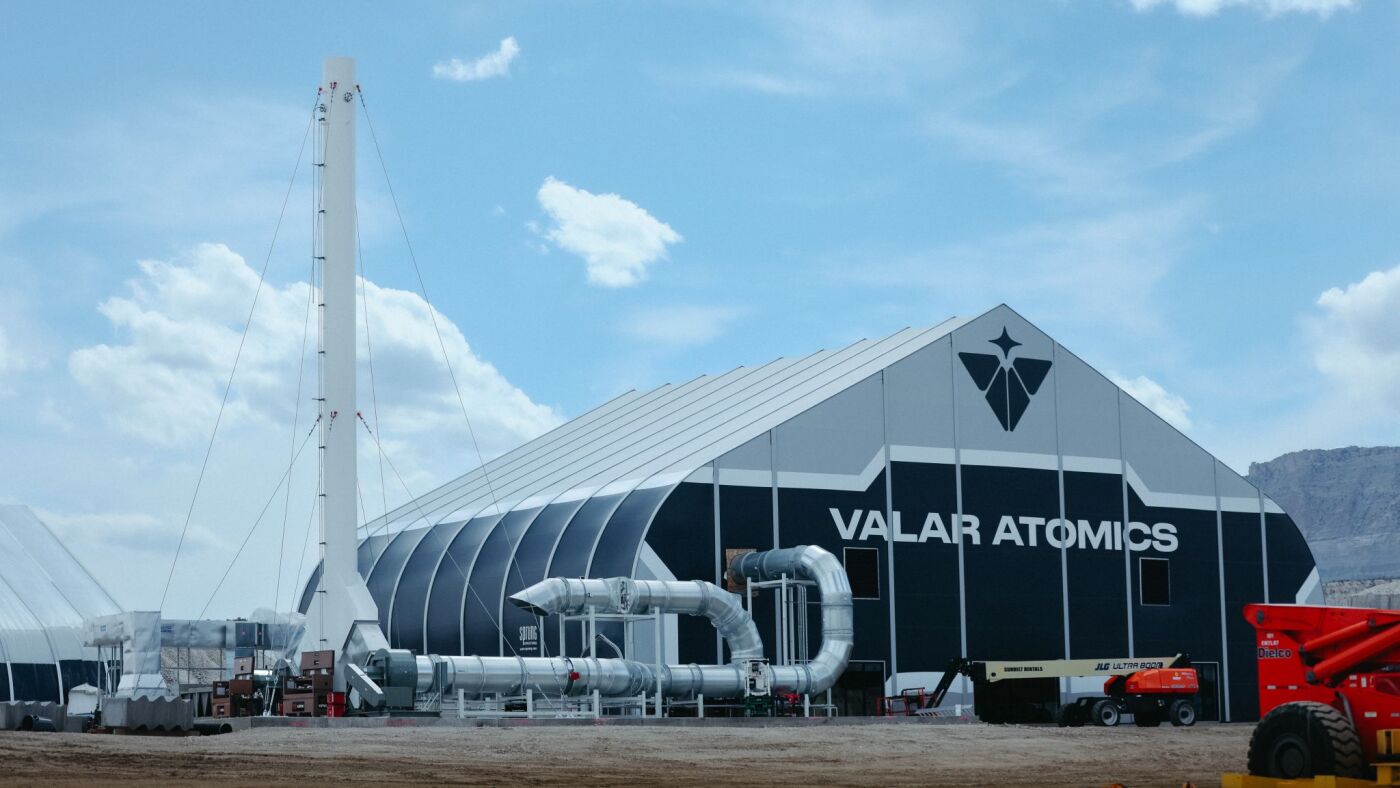
A Race to Nuclear Innovation: New Reactors Lighting Up the Desert
In a dramatic push to lead in nuclear technology, American companies are racing to develop new experimental nuclear reactors. This initiative follows an ambitious target set by a recent executive order aiming to have these reactors operational by July 4, 2026, marking the 250th anniversary of the Declaration of Independence.
Following President Trump’s directive, the Department of Energy initiated the Reactor Pilot Program to expedite reactor construction. The program has eased regulations to facilitate rapid development, triggering a competitive atmosphere among tech companies.
Two companies have already reached operational status, with Antares Nuclear declaring its reactor critical on June 4 and Valar Atomics following on June 18. Valar Atomics’ reactor, developed in a tent-like structure in the Utah desert, is now producing tens of kilowatts of heat.
In this backdrop, Nick Touran, chief nuclear officer at Ocean Atomics, noted, “We haven’t done anything this fast, basically ever,” and highlighted the potential for reinvigorating America’s nuclear industry. His remarks emphasize the significant momentum generated by the pilot program.
Building the Core
The Idaho National Laboratory has become a hub of activity, with companies like Radiant working to develop small reactors for various applications. Rita Baranwal, Radiant’s chief nuclear officer, shared that their reactor is being assembled in a secure building called the DOME. Although not expected to be critical by the July deadline, Baranwal expressed optimism about future operations.
Unlike traditional reactors, Radiant’s design features tiny uranium-filled fuel balls, known as “nuclear gobstoppers,” which can withstand higher temperatures. Such innovations could pave the way for smaller, more mobile reactors, with Radiant aiming to produce around 50 reactors annually.
Safety Concerns
Despite the rapid progress, this accelerated timeline has sparked safety concerns. Critics like Edwin Lyman from the Union of Concerned Scientists argue that the program focuses more on public relations than safety, noting that deregulation undermines decades of safety advancements. The Energy Department’s decision to rewrite safety rules and bypass environmental reviews has further fueled these apprehensions.
Lyman cautioned against confusing these test reactors with fully functional nuclear power plants, emphasizing the importance of maintaining rigorous safety and environmental standards as these new technologies are deployed nationwide.