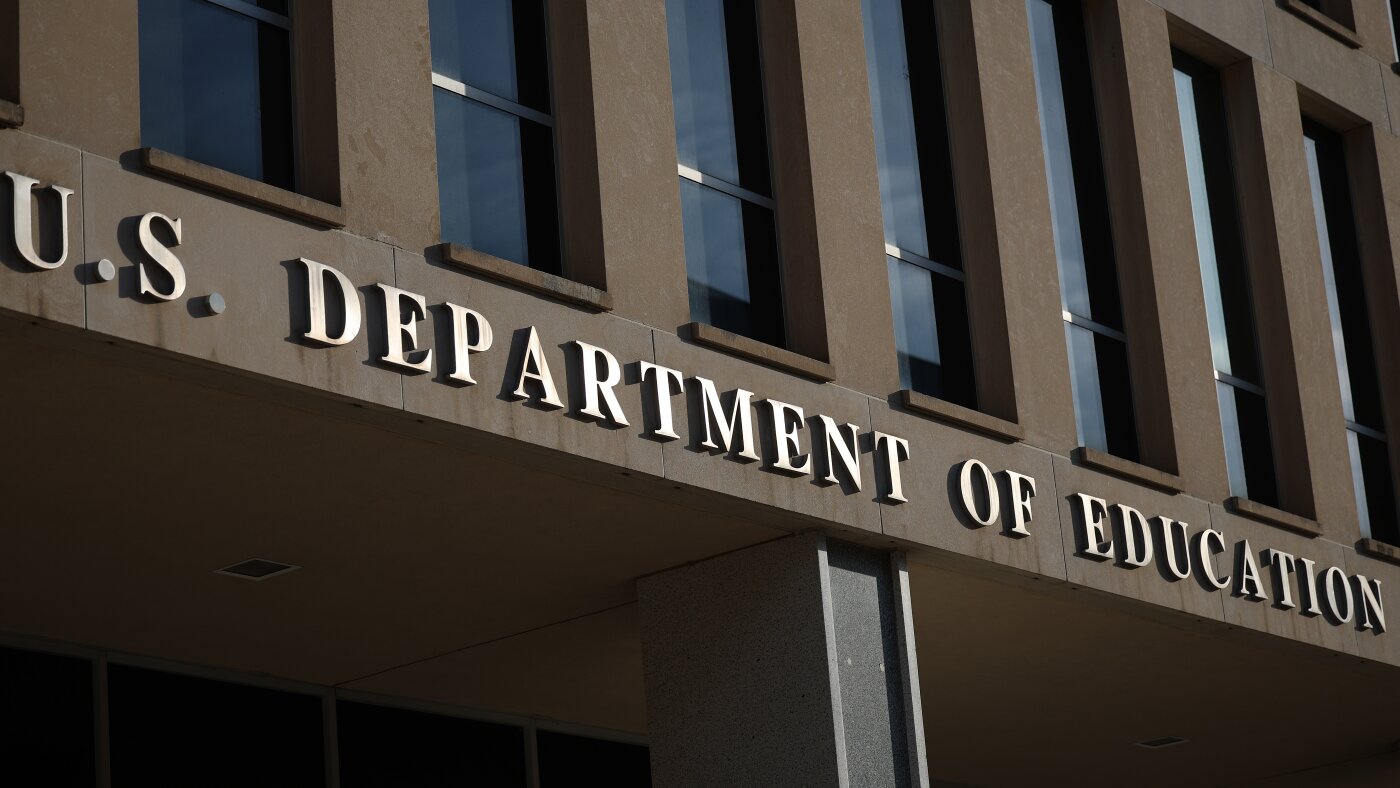
The Mystery Behind the Education Department’s Delayed Data Release
For over half a century, the Education Department’s Civil Rights Data Collection has been an essential resource for understanding how students across the U.S. are treated in public schools. This data highlights issues such as bullying, harassment, and internet access, holding schools accountable for their practices.
The latest dataset, covering the 2023-24 school year, was scheduled for release last December. However, the information has yet to be published, sparking concern among education advocates and policymakers.
The department has not provided an explanation for the delay, despite multiple inquiries from NPR.
Delays in federal processes are not uncommon and can sometimes be inconsequential. Yet, the current situation is exacerbated by the Trump administration’s plans to transfer the Office for Civil Rights, which manages the Civil Rights Data Collection, from the Education Department to the Department of Justice. This move is part of a broader federal initiative altering the protection of students’ civil rights.
Denise Forte, president and CEO of EdTrust, criticized the administration’s approach, stating, “This administration has repeatedly applied civil rights law in ways that ignore or dismiss the very real inequities that persist in our education system.” Forte expressed significant concern over the delay, particularly as it coincides with efforts to minimize the impacts of racism and economic inequality in education.
According to a former Education Department employee, the team responsible for the CRDC remains in place, though uncertainty looms over its future. The transition to the Justice Department could take several months, similar to other plans to outsource parts of the Education Department’s work. The former employee suggested that the 2025 government shutdown, which lasted over six weeks, might have contributed to the delay.
In addition to these challenges, the Education Department has been reducing its workforce since the Trump administration began, with a significant cut last year reducing the staff by nearly half.
Lindsay Kubatzky from the National Center for Learning Disabilities echoed these concerns, noting the administration’s trend toward weakening systems that hold schools accountable for civil rights protections. “This administration unfortunately has proposed a lot of policies that would make it less transparent on how students with disabilities in particular are being served in public schools,” Kubatzky said.
One controversial proposal aims to eliminate a requirement for states to track the identification of students with disabilities by race and ethnicity. Historically, minority students have been disproportionately labeled as needing special education services.
The CRDC data has been instrumental in crafting legislation. For instance, Democratic Sen. Cory Booker of N.J. and U.S. Rep. Joaquin Castro of Texas used such data to draft a bill expanding access to Advanced Placement courses for underrepresented groups. The bill is set to be reintroduced soon.
The delayed dataset was expected to provide insights into internet accessibility as artificial intelligence becomes more integrated into education. A former CRDC staffer remarked on the importance of this data, asking, “Are our schools ready to usher in this wave of AI? Will all students have equal access to devices and internet capabilities?”
The CRDC team, described as dedicated and focused on equity, strives to ensure marginalized students have “access and opportunity.” Without up-to-date data, making informed decisions about student needs remains challenging.