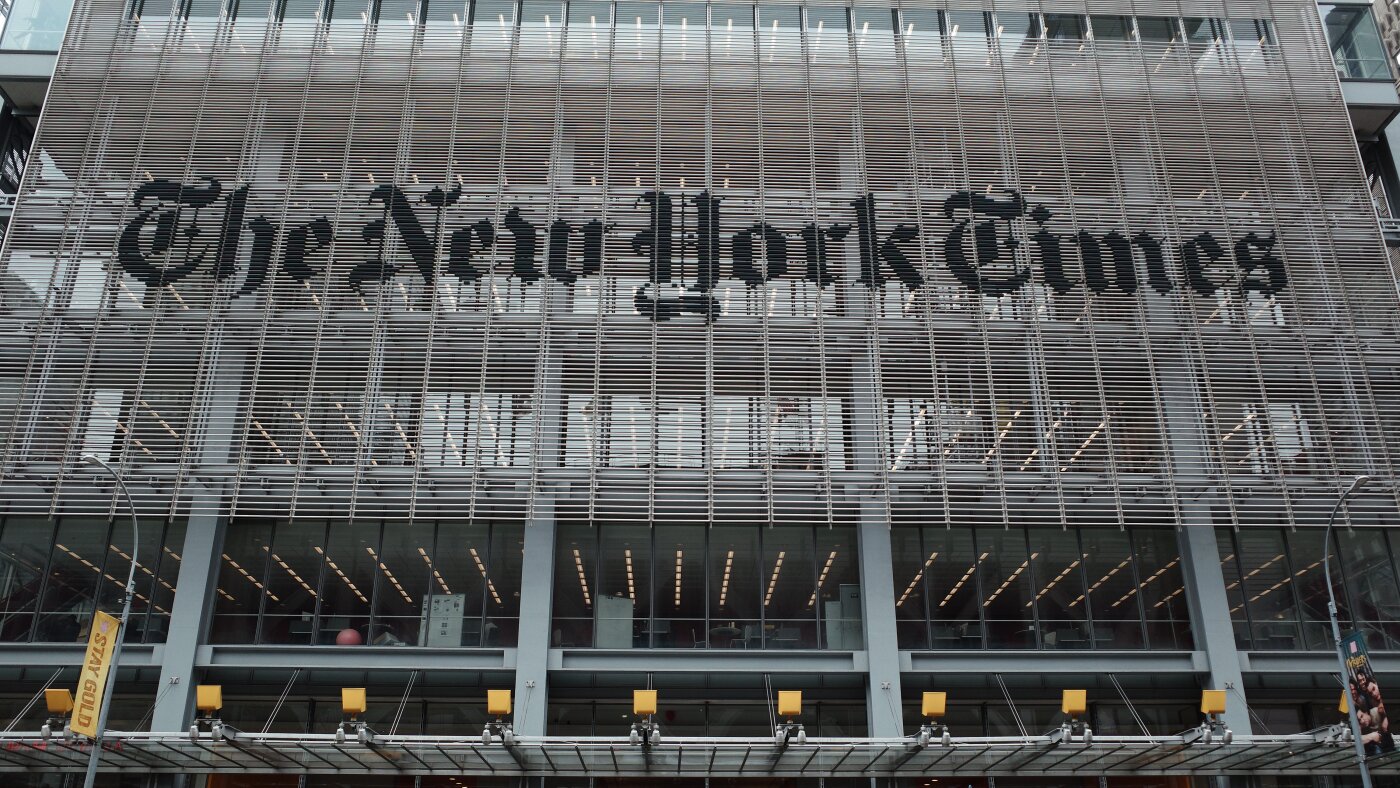
Intensifying Tensions: The New York Times Journalists Subpoenaed by the Department of Justice
In an unexpected move, federal agents have reportedly appeared at the residences of several journalists from The New York Times, delivering subpoenas that demand their testimony before a grand jury. This action is linked to reports concerning Air Force One and has sparked discussions about press freedom.
The controversy began with a New York Times report on a security-related decision concerning President Trump’s travel arrangements. The article, based on anonymous sources, claimed the Secret Service advised the President to use an older Air Force One model rather than a recently acquired Boeing 747, citing its lack of advanced security features. The following day, the publication reiterated these claims, emphasizing the absence of critical defensive capabilities on the new aircraft.
According to the Times, the subpoenas were delivered to four journalists involved in the article: Julian E. Barnes, Eric Lipton, Tyler Pager, and Eric Schmitt. These legal demands compel them to testify in New York regarding alleged federal law violations. The Times has expressed strong objections to these developments, calling them “a brazen act.”
David McCraw, the senior vice president and deputy general counsel at the Times, stated, “The appearance of Federal law enforcement agents on the doorstep of news reporters should shock the conscience of any American who believes in the Constitution and the press freedom it protects.” He further emphasized the role of journalism in holding the government accountable and the potential impact of these legal actions on press freedom.
Prior to publishing their initial report, the Times claims that the FBI requested the story be delayed without specifying reasons, and also sought to identify the sources. Both requests were denied by the newspaper.
The subpoenas were issued by U.S. Attorney Jay Clayton of the Southern District of New York, a recent nominee for the national intelligence director role. NPR has reached out to the FBI and Clayton’s office for comments but has not received a response.
Bruce D. Brown, president of the Reporters Committee for Freedom of the Press, criticized the subpoenas, highlighting a deviation from established Justice Department practices that prioritize press freedom. He urged the Senate Intelligence Committee to hold Clayton accountable during his upcoming appearance.
This action is part of a broader pattern under the Trump administration, which has involved financial settlements, lawsuits, and federal actions against various media outlets, including The Wall Street Journal, The Washington Post, and others. Recently, the FBI conducted a search of Washington Post reporter Hannah Natanson’s property as part of a leak investigation.
President Trump is also engaged in legal battles with the Times, accusing it of damaging his reputation and election prospects. Concurrently, the Times is pursuing legal action against the Defense Department over restricted Pentagon access and is involved in a separate employment-related lawsuit with the U.S. Equal Employment Opportunity Commission.