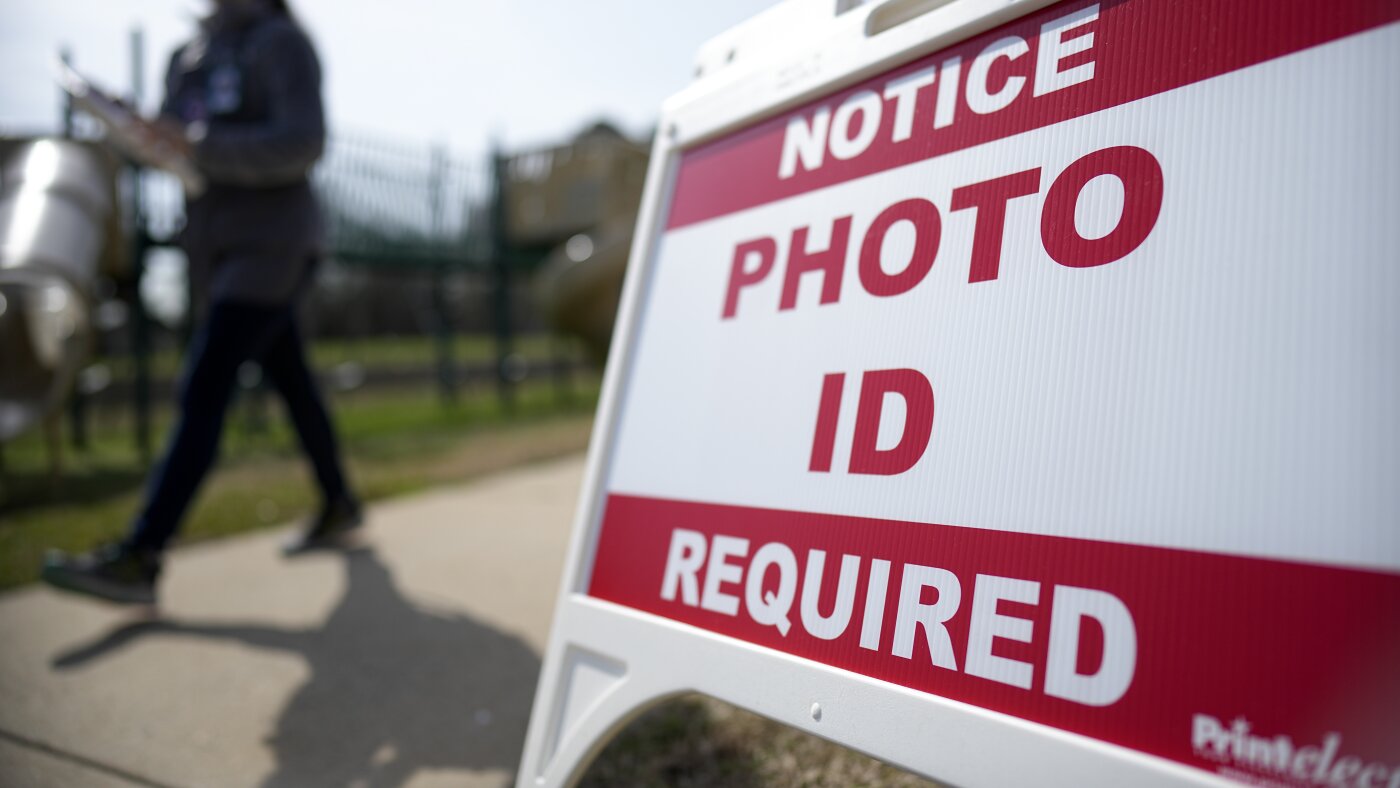
Voter ID Measures Gain Spotlight Across Multiple States in 2026
As discussions on voting regulations continue to intensify, a significant number of states are taking a proactive approach to address voter ID requirements through ballot measures. This move comes amid a stalled Republican-led election overhaul in Congress that sought to enforce proof-of-citizenship and other identification rules.
This year, voters in at least six states are faced with decisions regarding these measures, marking the highest number of voter ID initiatives in a single year, according to Ballotpedia.
Oklahoma takes the lead, with its proposal being voted on during Tuesday’s primary runoff. The proposal aims to formalize existing voter ID policies into the state’s constitution. Meanwhile, states like Arizona, Nevada, and North Carolina, notable for their swing status, are planning to vote on measures in the fall to enforce stricter voter ID laws.
These ballot initiatives follow actions from lawmakers in eight additional states who have already enacted more stringent voter ID requirements this year, as highlighted by the Voting Rights Lab.
Additional Ballot Measures on Voting Regulations
Several other states are also considering measures that address voter eligibility and election processes:
- Some states propose explicitly stating that only U.S. citizens can vote, a practice that has gained traction in Republican-led states despite existing prohibitions on noncitizen voting in state and federal elections. More information can be found here.
- In Alaska, voters will revisit their election system, which features top-four, all-party primaries and ranked choice voting in general elections. For more details, visit this link.
- Maryland’s ballot will include a vote on new congressional redistricting rules designed to benefit Democrats. Additional information is available here.
- Massachusetts will decide on the introduction of all-party primaries and the feasibility of same-day voter registration. For further reading, see this article.