Evanston’s Reparations Program Faces Legal Scrutiny Amid Historical Redress Efforts
In Evanston, Illinois, a pioneering reparations initiative is under fire as the Trump administration challenges its legality, igniting a debate over racial equity and historical compensation. The city’s program, the first in the U.S. designed to financially compensate Black residents for past discrimination, has become a focal point for legal and moral discussions on reparations for African Americans.
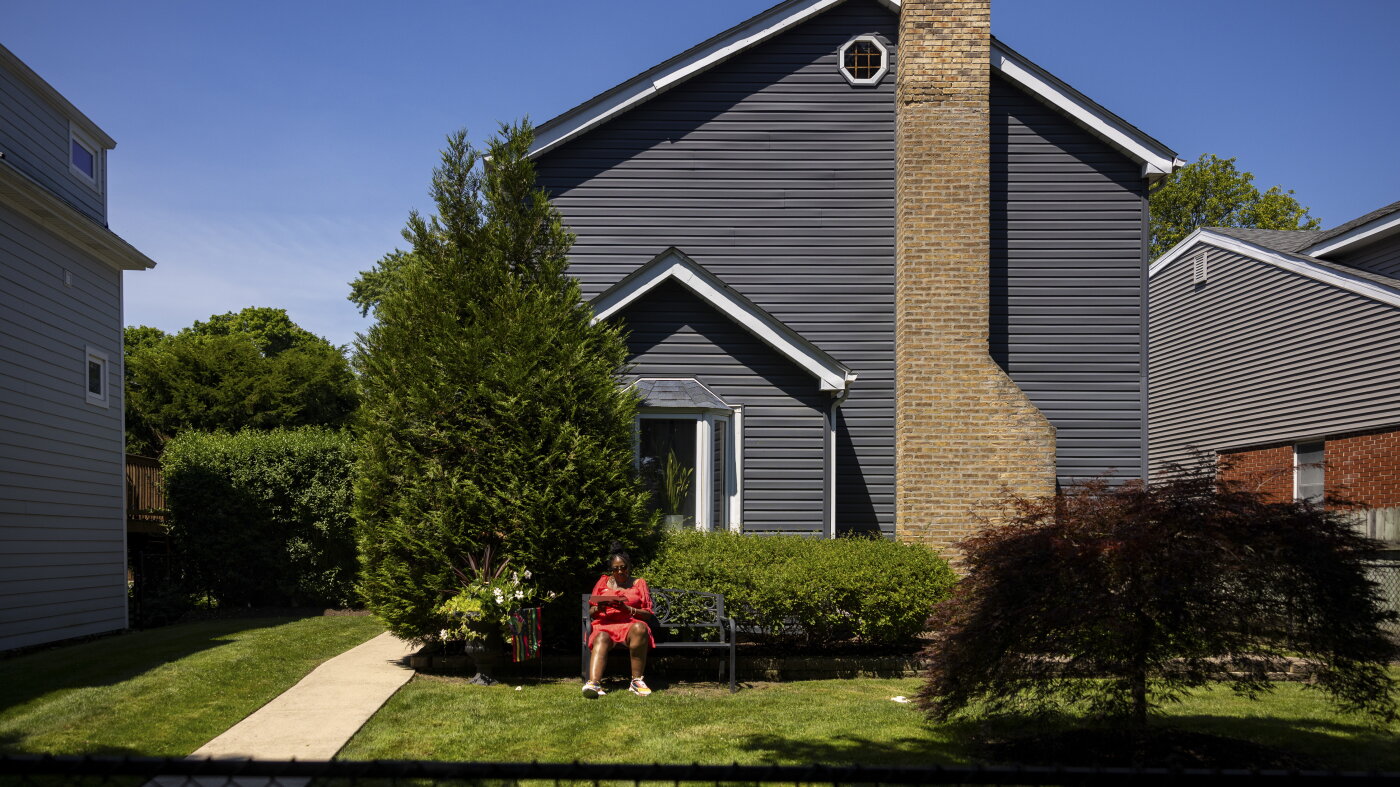
Allie Zemtseff, a resident who benefited from the program, recalls the racial discrimination her mother faced in the 1960s when landlords refused to rent to Black tenants. Through Evanston’s initiative, Zemtseff received $25,000 to renovate her kitchen and an apology from the city, a gesture she believes is warranted. “Of course it’s only for Black people,” she asserts, “because we were the ones affected by the discrimination.”
Since its approval in 2021, Evanston’s reparations program has distributed $25,000 grants to over 300 individuals, invigorating a broader movement towards reparations for African Americans. However, the Trump administration’s legal action, supported by a conservative group’s lawsuit, claims the program discriminates by race, thus violating the Constitution’s equal protection clause. “Simply handing out money based on race … is not the answer,” stated Harmeet Dhillon, the Justice Department’s civil rights chief.
Alvin Tillery, a Northwestern University professor, argues that the program addresses historical inequities. “It’s an abomination,” he says, “to believe that white people have to get all of the same benefits of people of color when you’re trying to fix the harms that white people did to people of color.”
Historical Roots and Legal Challenges
The reparations initiative stemmed from Robin Rue Simmons’ research into Evanston’s shrinking Black population, uncovering a correlation with historical zoning laws that restricted Black families to certain neighborhoods. These laws, compounded by discriminatory banking practices, hindered wealth accumulation within the Black community.
Critics like Michael Bekesha, representing Judicial Watch, argue the program’s criteria are too broad. “There is no requirement that somebody prove they were discriminated against,” Bekesha claims, challenging the program’s constitutional validity. Evanston Mayor Daniel Biss counters, emphasizing the program’s goal to rectify economic disparities caused by past discrimination.
Implications for National Reparations Efforts
The lawsuit against Evanston’s program could set a precedent impacting other reparations initiatives. Justin Hansford, a Howard University law professor, highlights the necessity for detailed historical documentation in justifying reparations programs. “Every city in the country ought to be able to do the same thing, because these histories are national,” he states.
Despite legal challenges, Evanston’s city officials remain committed to continuing the reparations program. Kimberly Holmes-Ross, a benefactor of the initiative, emphasizes its significance beyond monetary compensation. “It’s about the acknowledgment. The city is acknowledging the harm,” she remarks.
As the case progresses through the courts, reparations advocates urge cities to persist with their efforts, navigating legal complexities while addressing historical injustices. “It’s emboldened us,” says Rue Simmons, “It’s strengthened us to pay more attention.”
This article was originally written by www.npr.org