Colleges Rethink Admissions Strategies Amid Changing Demographics
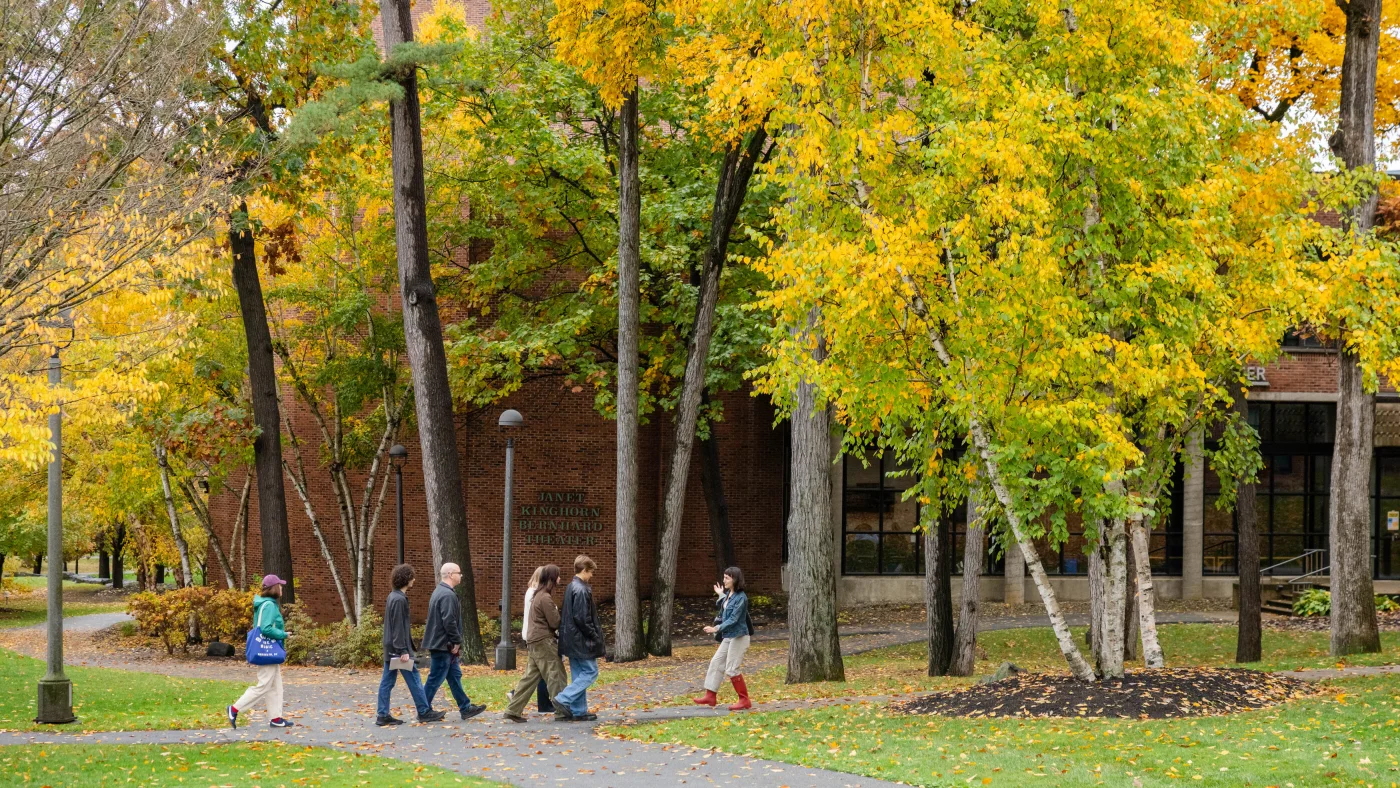
As the college admissions landscape evolves, institutions are reevaluating their strategies to attract students. This shift is particularly evident at Skidmore College in Saratoga Springs, N.Y., where the admissions process is being transformed into a more inviting and accessible experience.
For 17-year-old Alex Zaret and his family, navigating the college admissions process feels like a full-time job. “It’s overwhelming,” Zaret noted during his visit to Skidmore College, which marked his fourth campus tour with several more planned. His father, Owen, acknowledges the strain it puts on their lives, especially with both parents working full-time and Alex being highly engaged in high school activities.
However, Owen Zaret has noticed a change in how colleges present themselves. What once felt like an “ivory tower” approach has shifted to a perspective that emphasizes student recruitment, with colleges conveying the message: “We want you to be here.”
In response to declining numbers of traditional-age freshmen and increased competition among institutions, colleges are taking various steps to attract applicants. Waiving application fees and offering extra financial aid to campus visitors are just a few measures being adopted. Some universities in 17 states even admit students who haven’t applied, and over 150 private colleges use the Common App to extend direct admissions offers.
Skidmore College is also engaging faculty in the admissions process, encouraging them to interact with prospective students in classrooms and labs. This initiative is designed to make students feel valued and create a sense of belonging, according to Jess Ricker, Skidmore’s vice president for enrollment.
The challenge is clear: two-thirds of admissions leaders have struggled to meet enrollment targets in recent years, and the Western Interstate Commission for Higher Education projects a 13 percent decline in traditional-age freshmen over the next 15 years. Additionally, the percentage of high school graduates pursuing higher education has decreased from 70 percent in 2016 to 63 percent in 2024, according to the U.S. Bureau of Labor Statistics.
Colleges Adapt to Stay Competitive
The shifting demographics have made college acceptance easier, a fact that often goes unnoticed. As Angel Pérez, CEO of the National Association for College Admission Counseling, explains, “The majority of institutions in the United States actually accept the majority of students who apply.” This trend is supported by NACAC data, which shows that nearly 8 in 10 applicants to public colleges and 7 in 10 to private colleges are admitted.
Despite this, public perception remains skewed, with more than 40 percent of young adults mistakenly believing that getting into college is more difficult now than it was for their parents’ generation. This misconception is fueled by the intense focus on the few colleges that admit only a small fraction of applicants.
In response, some colleges are enlisting faculty to assist in recruitment efforts. At Skidmore, for example, faculty members are encouraged to engage with prospective students during campus visits. This approach aims to improve yield rates, which have been declining, making it harder for colleges to predict the number of students who will ultimately enroll.
Colleges are realizing that everyone on campus has a role in recruitment, from faculty to staff. As Leah Beth Hubbard of The Parish Group suggests, “Teach everyone to smile. Teach everyone to introduce themselves and say what they do at the institution.”
Building a Welcoming Campus Environment
Skidmore College, with its above-average yield rate and increasing number of applications, has not faced the same challenges as many other small private colleges. Yet, President Marc Conner emphasizes the importance of a unified community effort in maintaining its success.
Faculty participation in admissions is becoming increasingly common, as demonstrated by institutions like Ohio Northern University and Washington College, where faculty members engage with prospective students during visits. This strategy is designed to ensure that admitted students feel connected to the campus community, thereby increasing the likelihood of enrollment.
Overall, the evolving admissions landscape is prompting colleges to rethink their strategies and create a more welcoming and engaging experience for prospective students, ensuring their institutions remain competitive and vibrant in the face of demographic challenges.
This article is based on reporting by The Hechinger Report, a nonprofit, independent news organization focused on inequality and innovation in education.