Supreme Court Clears Path for Border Wall Construction in Texas
The construction of a border wall in west Texas by the Trump administration has been given a green light by the U.S. Supreme Court. This decision comes as legal battles over the controversial project continue.
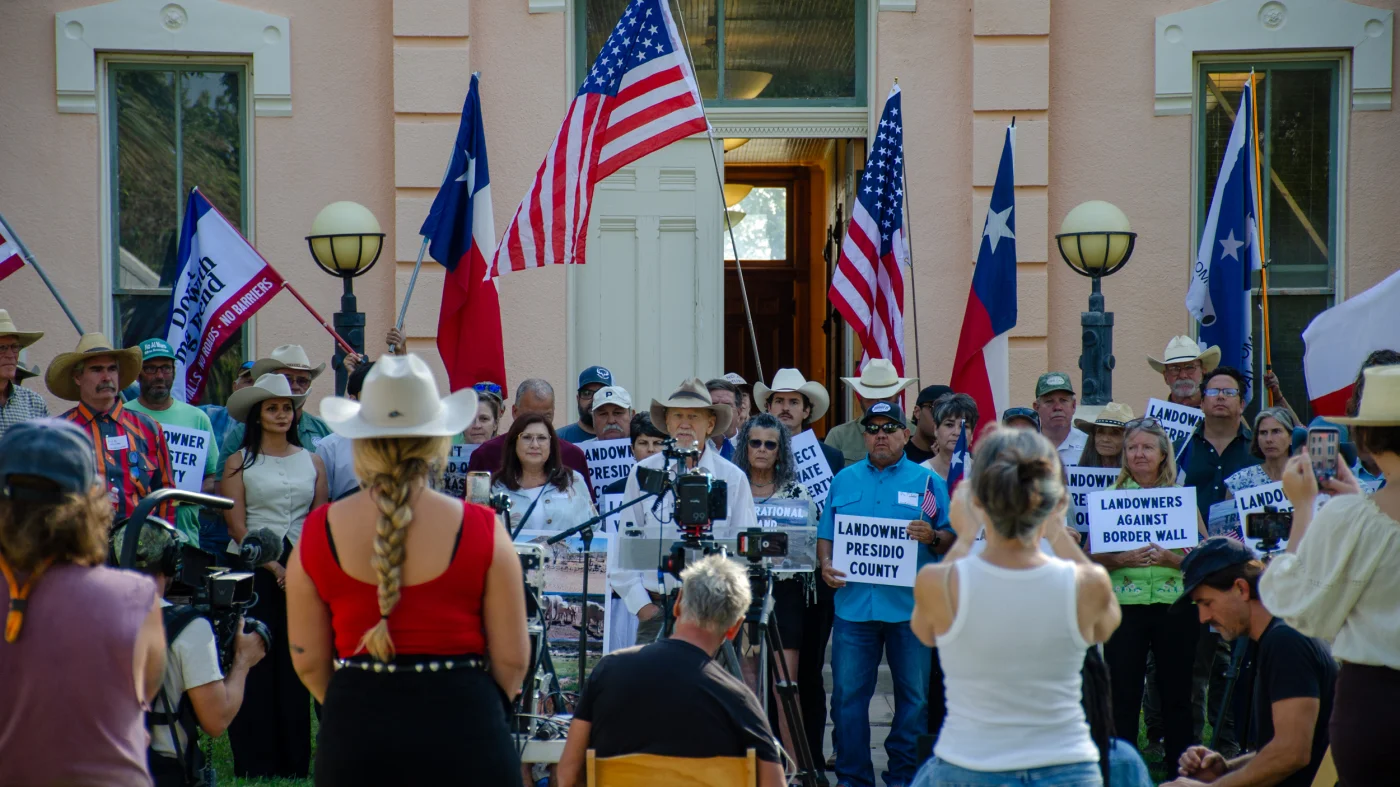
Plans to extend the border barrier into Big Bend National Park have faced criticism from both political parties, raising concerns about the potential impact on this cherished area known for its natural beauty.
The Supreme Court’s decision was a response to a previous ruling by a federal judge, which the high court found lacked proper authority.
“The injunction thus impedes the Government from advancing its ‘compelling interests’ in border security and integrity,” the court stated in its unsigned decision, with Justice Ketanji Brown Jackson dissenting.
The Department of Homeland Security, as permitted by federal law, can bypass environmental and conservation laws to expedite border construction, prioritizing this over the concerns of environmental harm.
In an emergency application, the federal government highlighted the risks posed by a gap in the border defenses in the Big Bend, stating it could become a “dangerous magnet for cartels and other bad actors.”
A federal judge in El Paso had previously halted the construction, which included 30-foot-tall steel barriers and other infrastructure.
The lawsuit, initiated by the Center for Biological Diversity and others, argued that the border plans were unconstitutional and would cause irreversible damage to the area.
“This decision greenlights the contractors and allows the bulldozers to come roaring back into the region,” stated Laiken Jordahl from the Center for Biological Diversity.
The plans have created a rare bipartisan opposition, with concerns over environmental impacts, threats to Indigenous sites, and adverse effects on local tourism and wildlife.
The Trump administration’s emergency relief request called the injunction “baseless” and warned that any area without a barrier would become a “funnel point for illegal alien crossings.”
The Big Bend Sector, despite its extensive coverage of the U.S.-Mexico border, consistently reports the fewest border encounters, according to CBP data.
This article was originally written by www.npr.org