Rural Students Find New Opportunities at Elite Colleges
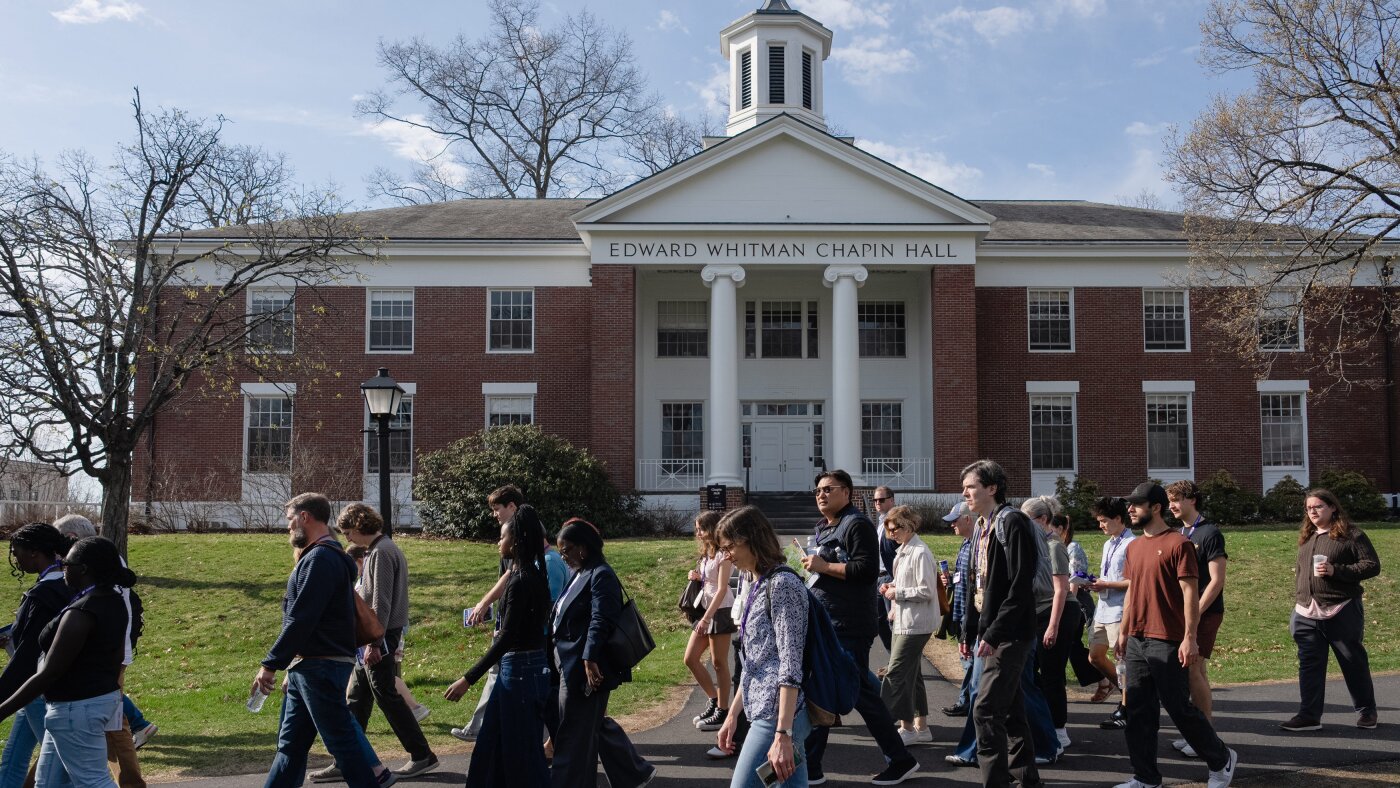
At Amherst College, a group of high school seniors from rural areas gathered around a fire pit, swapping fire-building tips as they considered their future college paths. The gathering was part of Amherst’s efforts to welcome students from rural backgrounds, an initiative aimed at increasing diversity and inclusion on campus.
Nathan Grove, the assistant dean of admissions, humorously quipped, “This is our test of how rural you are,” as he assisted the students in igniting a fire to make s’mores. This event was part of a two-day visit designed to encourage admitted students from rural regions to enroll at the college.
One such student, Jack Hancock from Milford, Pennsylvania, expressed his surprise at Amherst’s outreach efforts. “I was frankly sort of shocked that they cared about rural students,” he said. Hancock was among those deciding whether to attend Amherst after overcoming steep odds to gain admission.
Expanding Opportunities for Rural Students
The initiative to recruit rural students is part of a broader movement fueled by the STARS College Network, founded by University of Chicago alumnus Byron Trott. With an initial $20 million investment, the program aims to increase rural representation at elite colleges. Trott’s subsequent $150 million contribution has expanded the network to 32 schools, including prestigious institutions such as Yale, MIT, and Brown.
Despite nearly a quarter of Americans living in rural areas, only a small fraction attend these top-ranking colleges. The STARS initiative seeks to change that by actively recruiting from rural high schools and providing financial support for visits and tuition.
Marjorie Betley, STARS’ executive director, emphasized the importance of not only getting students to college but also supporting them through graduation. However, rural students often face additional challenges, including skepticism about the value of higher education and financial constraints. A recent Quinnipiac University poll indicated that rural residents are more likely to view college negatively compared to their urban counterparts.
Challenges and Perspectives
Olivia Meier, another prospective student from Chugiak, Alaska, highlighted the financial and confidence barriers that often deter rural students. “The first is cost, and the second is not knowing what we’re capable of,” she said. Despite graduating from a high school with a 91% graduation rate, only 48% of her classmates attend college.
To combat these challenges, Amherst and other STARS member schools offer free campus visits for rural students, allowing them to experience college life firsthand. Last year, over 1,000 rural students participated in these visits, witnessing classes, social events, and more.
Ryan Peipher, an Amherst junior from Lancaster, Pennsylvania, noted the disparities in resources and networks between rural students and their more affluent peers. “It’s very easy for a student who comes to Amherst from a Philadelphia private school to network… but for a student from rural America, how can they network?” he said.
Building a More Inclusive Future
Amherst’s president, Michael Elliott, believes that increasing rural student representation enriches the campus community. “Students growing up in rural areas bring perspectives and experiences that students from urban environments don’t have,” he explained, emphasizing the importance of diverse experiences in education.
As Amherst and other colleges continue to expand their outreach efforts, they hope to create a more inclusive environment that values the unique contributions of rural students. For many, attending a selective college like Amherst represents both an opportunity and a challenge, but ultimately, it offers a path to greater understanding and collaboration across different backgrounds.
This article was originally written by www.npr.org