Rededicate 250: A Celebration Amid Controversy
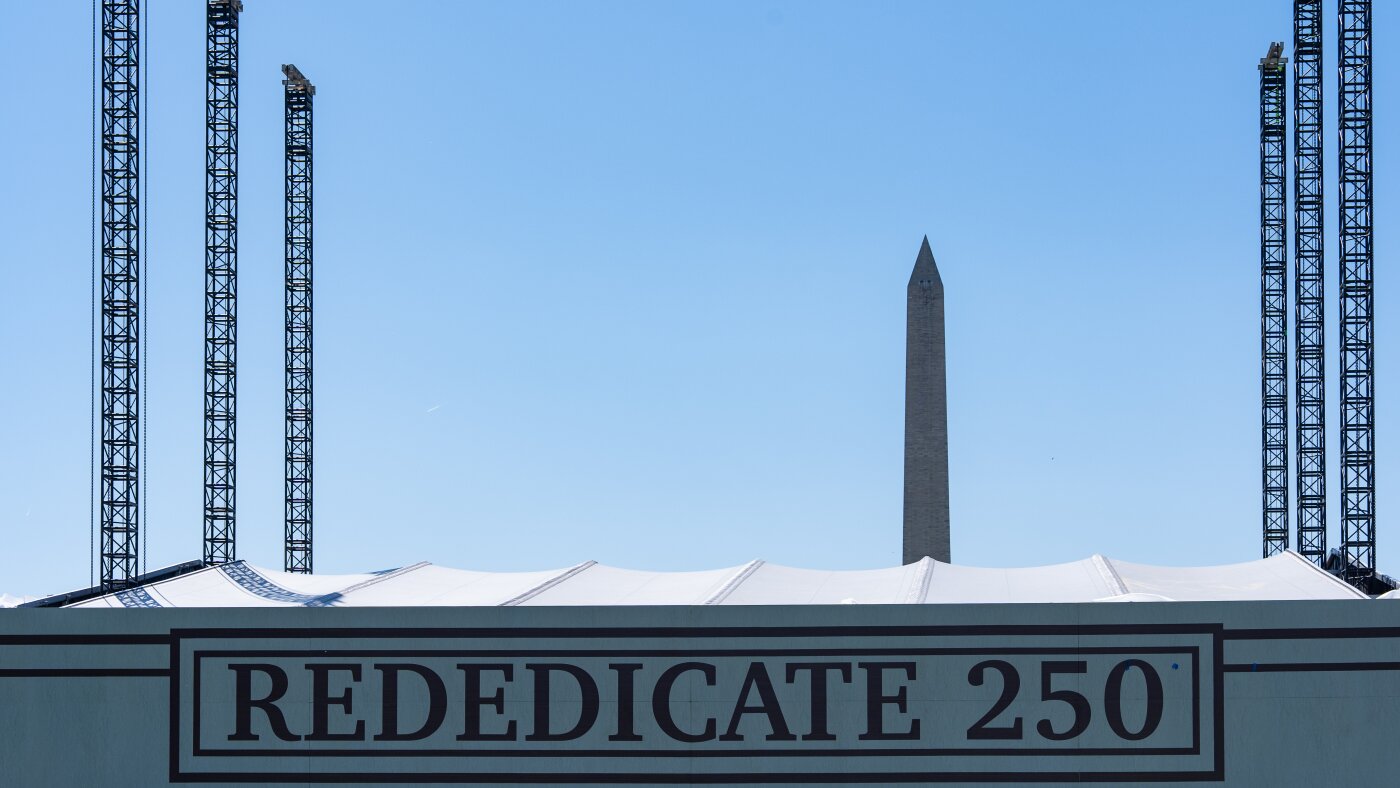
As preparations continue on the National Mall in Washington, the upcoming “Rededicate 250” event is garnering both anticipation and debate. Scheduled for this weekend, the event is described as a “once in a lifetime national moment” aimed at reaffirming the United States as “One Nation Under God.” This initiative, backed by the White House, is part of Freedom 250’s efforts to honor the nation’s 250th anniversary.
The event’s agenda has sparked differing opinions. While supporters view it as a tribute to America’s foundational values, critics argue it promotes an exclusionary Christian narrative. Americans United for Separation of Church and State has expressed concerns about the celebration advancing Christian nationalism rather than religious freedom.
The daylong prayer rally will feature an array of speakers and performers, including government officials, religious leaders, and celebrities. Among them, Christian musician Chris Tomlin will headline, while Jonathan Roumie, known for his role in “The Chosen,” will serve as a speaker. Other notable figures include Sadie Robertson Huff, an influencer with a significant following on social media.
Prominent political figures and close allies of former President Donald Trump are also on the list, including House Speaker Mike Johnson and Defense Secretary Pete Hegseth. Trump himself is expected to deliver a video message.
The event’s religious lineup is predominantly Christian, with 18 out of 19 faith leaders being evangelical or Catholic. Notable speakers include Franklin Graham, Paula White-Cain, and Robert Jeffress. The sole non-Christian religious leader listed is Rabbi Meir Soloveichik from New York.
Despite the event’s religious overtones, a recent Pew Research poll indicates that most Americans are wary of blending religion with government. Conducted in April with 3,592 U.S. adults, the poll reveals that while religion is seen as a positive societal force, the majority support maintaining a separation between church and state.
Only a small fraction, 17%, believe Christianity should be the nation’s official religion. The notion of Christian nationalism holds little favor, with 31% viewing it negatively. John Green from the University of Akron notes that such views remain a minority, even within the Republican Party.
Criticism of the event has led to calls for a more inclusive representation. The Council on American-Islamic Relations has urged for a speaker list that better reflects the nation’s religious diversity, emphasizing the historical presence of Muslims in America.
In response to Rededicate 250, the Interfaith Alliance plans a visual protest at the National Gallery of Art with messages promoting religious freedom. Progressive religious leaders will also host a press briefing to challenge the event’s portrayal of America’s founding principles.