
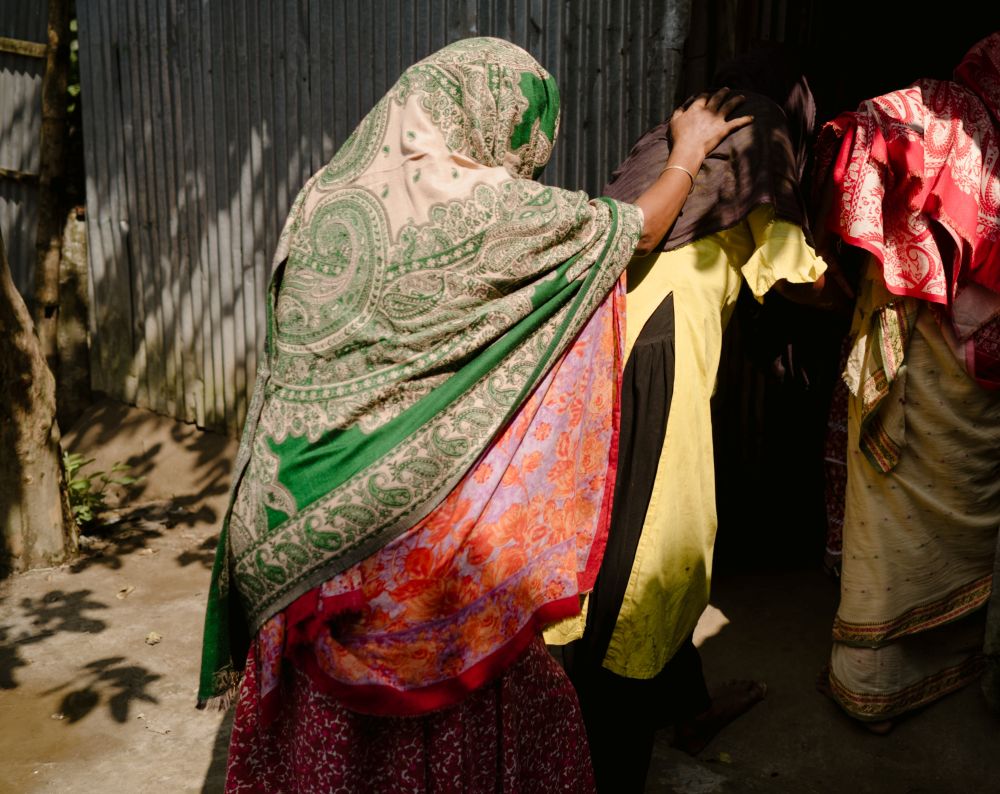
(Photo: Open Doors)
Amid escalating tensions, Christians in Bangladesh are expressing concerns over their safety as Islamist violence surges and the potential implementation of Sharia law looms large. This growing unease follows political upheavals in the country.
The political landscape in Bangladesh shifted significantly after the removal of Sheikh Hasina from power in 2024. During her 15-year tenure, Hasina was known for her strict stance against Islamism, despite her administration facing criticism for authoritarian tendencies and corruption. Her departure has left a vacuum that has heightened fears among religious minorities.
As the country prepares for elections on February 12, the choice presents a stark contrast: the Bangladesh National Party (BNP), which promises continuity, or a coalition of Islamist parties led by Jamaat-e-Islami, advocating for Sharia law. This political scenario has prompted warnings from Open Doors, an organization advocating for religious freedom.
Open Doors reports an uptick in attacks against Christians and Hindus since Hasina’s fall, particularly targeting those who have converted from Islam. A local pastor, speaking anonymously to the organization, conveyed the gravity of the situation: “Christians are living in fear now. [When Hasina was deposed] many churches were attacked and destroyed, and the homes of Christians were damaged. Since that time, mob violence has increased, and fear has grown among our people.”
The pastor also shared, “In the midst of this difficult time, Christians are praying for God’s protection. We want to live in peace and be treated as equal citizens in the land where God has placed us.”
Additionally, Christians, particularly converts from Islam, face assumptions of political alignment with Hasina’s Awami League, complicating their position further. Threats have reportedly come from both the BNP and Islamist factions, as mentioned by another church leader.
The political turmoil in Bangladesh has also resonated in the UK, where Tulip Siddiq, a former Labour minister, resigned amid corruption allegations linked to her aunt Hasina. Although Siddiq argues the charges are politically driven, a Bangladeshi court convicted her in absentia, resulting in a four-year prison sentence.
The ripple effects extend to the London Borough of Tower Hamlets, home to a substantial Bangladeshi community, where some local councillors have sought candidacy in Bangladesh under the BNP banner. Further details on this development can be found here.
This article was originally written by www.christiantoday.com




