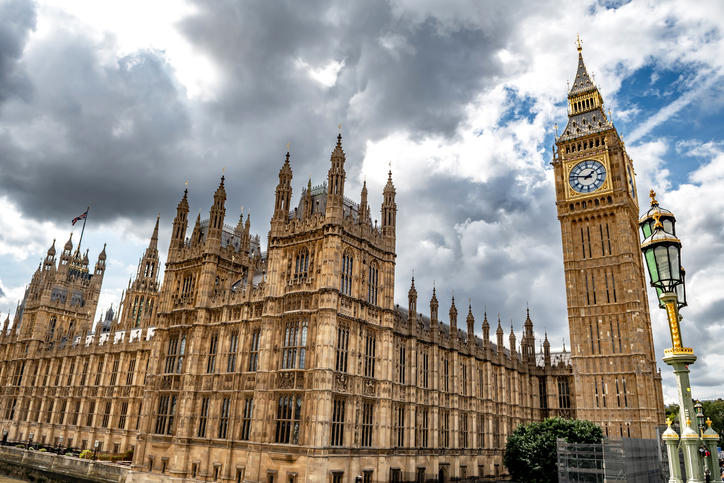
As the UK government reviews a draft bill on ‘conversion practices,’ a call to action is resonating within the Christian community. Concerns are mounting over potential impacts on parental rights and religious practices.
The Christian Institute has emphasized the urgency for individuals, churches, and Christian groups to express their views to a parliamentary committee by the deadline of 5pm on Monday, 16 November.
A cross-party joint committee, which includes MPs and peers, is currently examining the bill and is open to suggestions on how to refine its provisions.
Simon Calvert, Deputy Director of The Christian Institute, remarked on the importance of this moment for Christians to voice their concerns regarding the implications the bill might have on routine interactions within families and religious settings.
“MPs and Peers need to hear from people who understand how these proposals could affect everyday family life, church ministry and religious freedom,” Calvert stated. He further noted that clear communication of the potential issues could make them difficult to overlook.
The proposed legislation, relevant to England and Wales, aims to criminalize “abusive” conversion practices that result in significant physical or mental harm, or cause serious alarm or distress impacting daily life. The primary offense could lead to a maximum five-year prison sentence.
According to the government, the legislation seeks to fill existing gaps in criminal law and safeguard individuals from abuse. It is not intended to interfere with religious beliefs or legitimate support for those exploring sexual orientation or transgender identity. Despite these assurances, critics remain unconvinced.
The Christian Institute has expressed that the bill’s language does not sufficiently shield routine parenting, prayer, and pastoral discussions.
Calvert stated, “The Government says it wants to protect people from abuse. Everyone should be protected from genuine abuse, and the law already provides protection against assault, harassment and other forms of harmful behavior.” However, he argues that the draft bill extends further, potentially criminalizing ordinary conversations within families and churches.
Concerns have been raised about the bill considering economic, psychological, and emotional pressure as factors in determining abusive conduct. The Institute warns this could lead to accusations against parents over decisions like not purchasing a chest-binder for a child or voicing concerns about gender transition.
There is also fear that church leaders could face allegations when providing guidance on Christian teachings about marriage and sexuality, even when such support is requested voluntarily by individuals.
Calvert emphasized the necessity for parental freedom in guiding children according to their beliefs and for Christians to offer prayer and pastoral support without fear of criminal investigation. “None of these things should put someone at risk of a criminal investigation simply because another person dislikes what has been said,” he added.
The Christian Institute’s appeal follows previous objections from their organization, the Greater Love Declaration, and Affinity in a letter to Equalities Minister Bridget Phillipson, arguing the draft definitions were too broad.
Andrea Williams, Chief Executive of Christian Concern, has voiced concerns separately about the vagueness of definitions and harm assessments in the bill, which could leave churches vulnerable.
The Christian Institute has provided guidance for those wishing to respond, with submissions open via Parliament’s call for evidence.
Calvert concluded, “The proposals would have a huge chilling effect.” He acknowledged the government’s intent to protect against abuse but cautioned against creating new injustices while trying to guard against old ones.
This article was originally written by www.christiantoday.com