High-Level Dialogue Between U.S. and Cuban Officials Amidst Ongoing Tensions
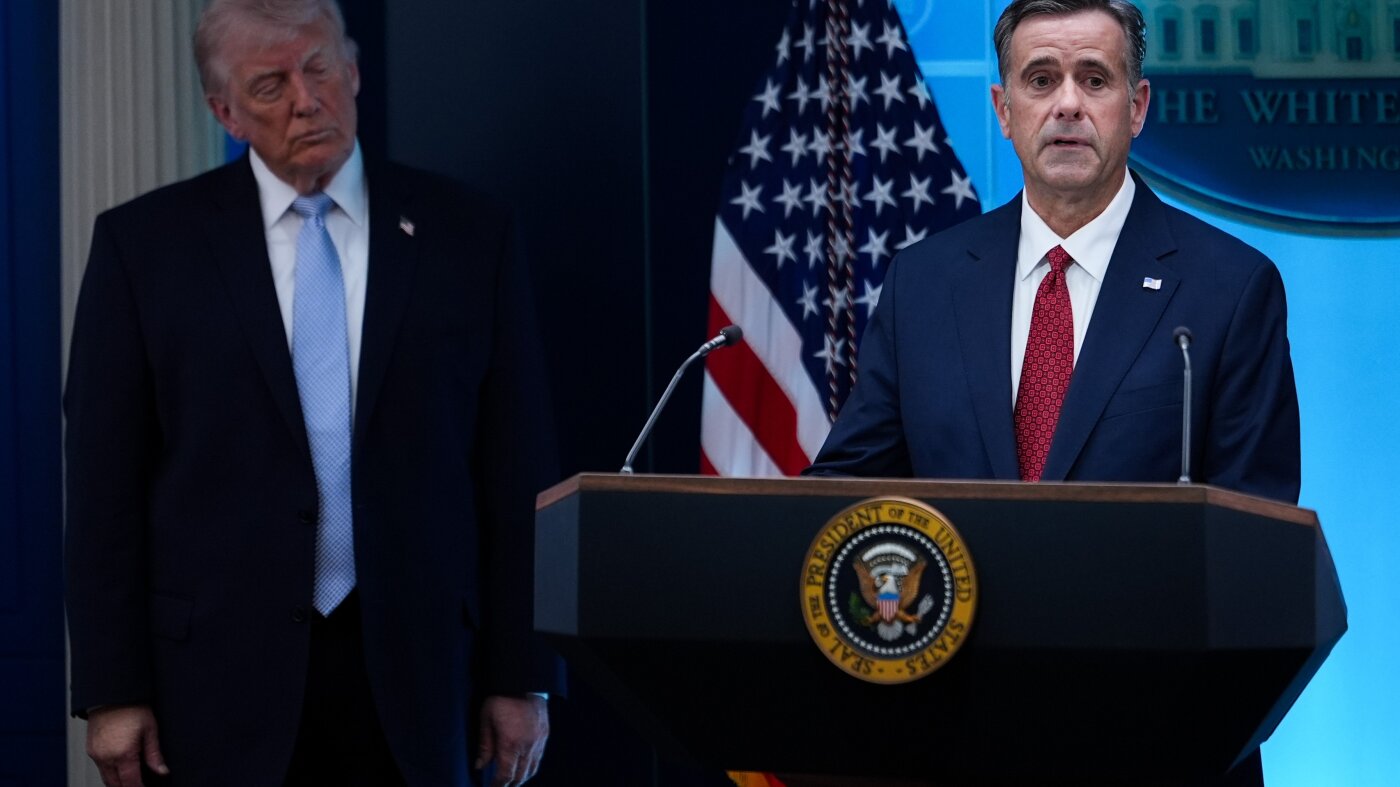
In a significant diplomatic engagement, CIA Director John Ratcliffe conducted talks with Cuban officials in Havana on Thursday. Among those present was Raúl Guillermo Rodríguez Castro, the grandson of Raúl Castro. The discussions centered around intelligence cooperation, economic stability, and security issues, according to statements from both Cuban and U.S. representatives.
Ratcliffe’s visit was aimed at conveying a message from President Donald Trump, emphasizing the U.S.’s readiness to engage on economic and security matters, contingent upon Cuba implementing “fundamental changes,” as noted by a CIA official.
From the Cuban perspective, the meeting took place amid “complex bilateral relations,” as highlighted by an official Cuban statement. The U.S. underscored its stance that Cuba should not serve as a “safe haven for adversaries” in the region. Conversely, Cuban authorities disputed this characterization and expressed dissatisfaction with their continued designation as a state sponsor of terrorism by the U.S.
Rodríguez Castro, who has previously held roles such as his grandfather’s bodyguard and leader of Cuba’s Secret Service equivalent, had a prior undisclosed meeting with U.S. Secretary of State Marco Rubio earlier this year during a summit in St. Kitts. This marks a continuation of dialogue between the two nations, with earlier meetings taking place on the island. These interactions represent the first U.S. government flights to Cuba, apart from those to the U.S. Naval Base at Guantanamo Bay, since 2016.
The recent meeting follows Cuba’s confirmation of discussions with U.S. officials amid ongoing tensions over the U.S. energy blockade of the island. This blockade has exacerbated economic challenges, leading to power outages and food spoilage due to non-functional refrigeration.
The U.S. State Department, earlier this week, reiterated its offer of $100 million in humanitarian aid and satellite internet support to Cuba, contingent on the Cuban government’s acceptance. In addition, President Trump previously threatened tariffs on nations supplying oil to Cuba and hinted at possible intervention, although sources indicate that military action is not currently anticipated.