White House Ballroom Project Gains Temporary Approval Amid Legal Disputes
In a recent development, a federal appeals court has permitted the continuation of the controversial White House ballroom construction until April 17. This decision comes as the Trump administration seeks to overturn a previous ruling that halted the project due to a lack of congressional consent.
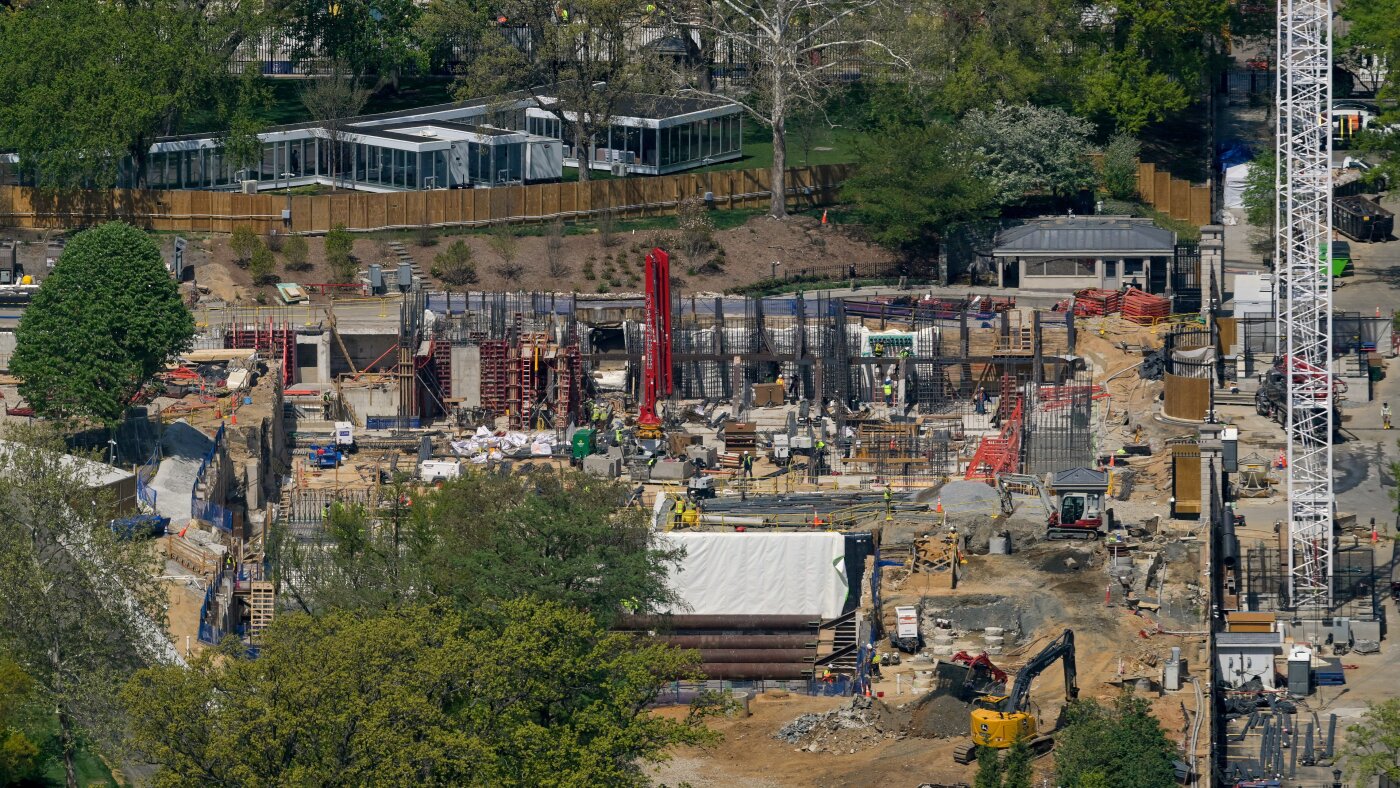
The project, which involves replacing the East Wing with a grand neoclassical ballroom, has faced legal challenges from the National Trust for Historic Preservation since December. The trust aims to block the construction of the ballroom, which is estimated to seat 1,000 guests and cost over $300 million.
A panel of three judges ruled 2-1 in favor of temporarily allowing the project to proceed. This ruling offers the Trump administration an opportunity to seek the Supreme Court’s input on the matter. Previously, Judge Richard Leon of the U.S. District Court had mandated a stop to the construction by April 14, pending congressional approval.
Demolition of the East Wing commenced in October to accommodate the new ballroom’s construction. President Trump defends the project, emphasizing the need for a large venue to host significant events. He also cited security concerns related to an underground bunker beneath the ballroom, which he argued is crucial for national security.
During a conversation with reporters on March 29, Trump mentioned plans to enhance the existing FDR-era bunker. “The military is building a big complex under the ballroom,” he stated, emphasizing the importance of the ballroom as a protective structure equipped with “high-grade bulletproof glass” to shield against threats like drones.
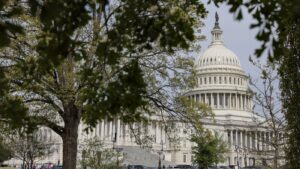
The U.S. Commission on Fine Arts, predominantly composed of Trump appointees, had approved the construction in February. The commission’s role is to oversee architectural developments in Washington, D.C.
Following the appeals court’s decision, Carol Quillen, the president and CEO of The National Trust for Historic Preservation, acknowledged the court’s swift action. The trust remains committed to preserving the historical significance of the White House and emphasizes the need for public consultation in such matters.
Despite requests for comment, Trump administration attorneys have not provided any statements regarding the ongoing legal proceedings.
NPR’s Chloe Veltman contributed to this report.