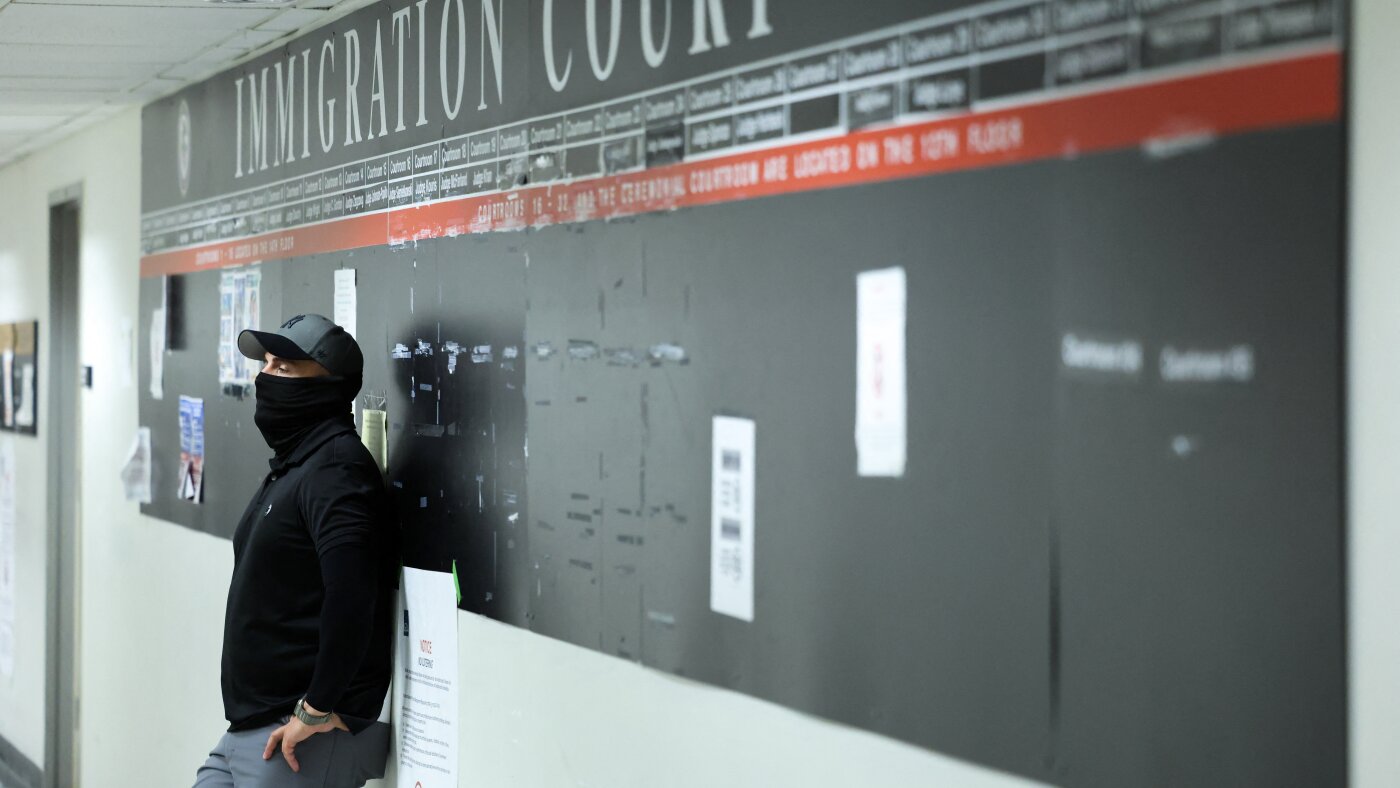
Immigration Courts Accelerate Hearings Amid New DOJ Strategy
In a significant shift, immigration courts within the Justice Department are expediting hearings by consolidating them in large groups, aiming to increase deportation orders. This approach, shared with NPR by immigration attorneys and the American Immigration Lawyers Association (AILA), marks a departure from previous practices.
A strategy known as “mega masters” is being implemented, where over 100 immigrants are scheduled for hearings simultaneously, compared to the typical two or three dozen. This change primarily affects those making their initial court appearance to argue their case for remaining in the U.S.
According to attorneys, this new approach predominantly targets individuals without legal representation. Those arriving late or missing their hearings entirely are receiving deportation orders, further limiting the already constrained due process for immigrants.
“The major concern is that [since] this is going to be a group of people without attorneys, that they’re not going to have gotten proper notice,” said Vanessa Dojaquez-Torres, policy counsel at AILA. She noted that the courts often lack sufficient seating for such large hearings, suggesting the design is to increase automatic deportation orders.
The Executive Office for Immigration Review (EOIR), which manages these courts, has not commented on the new strategy.
This practice has been initiated in courts in Chicago, Boston, and Chelmsford, Massachusetts, with plans to expand to the Dallas Immigration Court. The push coincides with President Trump’s goal of deporting a million individuals annually, far exceeding the 600,000 deportations in 2025. Trump has expressed frustration over court backlogs, viewing them as barriers to expedited deportation.
Challenges and Concerns
In the event of a no-show, whether accidental or intentional, judges can issue removal orders, allowing for detention and deportation. This has become more frequent under the Trump administration, as many fear attending court will lead to detention.
Dojaquez-Torres and other attorneys worry immigrants may be unaware of rescheduled hearings, especially without a lawyer’s guidance. Some cases reportedly receive little to no notification, leaving those not regularly checking online accounts vulnerable to missing changes.
The “mega masters” hearings predominantly involve individuals whose original hearings were set for 2027, 2028, or 2029. A Texas-based attorney, speaking anonymously, suggested the expectation is for most to miss their hearings, leading to default removal orders. However, if attendees do appear, it could strain court resources and overcrowd spaces.
While some clients might benefit from expedited cases, most individuals in immigration court do not have legal representation to navigate the complexities.
DOJ’s Staffing Initiatives
The DOJ is also increasing its judicial workforce to handle the caseload. Recently, the agency welcomed its largest-ever class of new immigration judges, including 77 judges and five temporary military lawyers. This year’s total of 153 new judges is the highest on record.
“The Trump administration is committed to reestablishing an immigration judge corps that is dedicated to restoring the rule to the law in our nation’s immigration system,” stated Acting Attorney General Todd Blanche.
Despite these hirings, EOIR lost about a quarter of its judges last year, with more than 100 being dismissed. Notably, judges with backgrounds in representing immigrants were reportedly more likely to be fired than those with experience at the Department of Homeland Security.