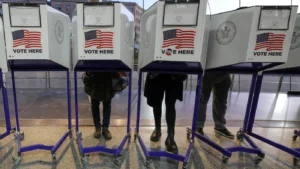
As the midterm elections approach, the anticipated impact of last year’s tax cuts is overshadowed by pressing affordability issues, driving voters toward the Democratic party. Economic concerns have shifted focus from tax reforms to everyday living costs, prompting a reevaluation of political alignments.
Economic Concerns and Voter Sentiment
Affordability is a primary concern for voters this election cycle. Although Republicans initially believed that the significant tax cuts would secure voter support, the reality is different. The economic pressures, particularly the rising cost of living, have instead bolstered support for Democrats, as early voting data from various states suggests.
According to NPR’s personal finance reporter, Stephan Bisaha, voters are experiencing a direct link between their financial struggles and the actions of those in power. “It’s the economy, stupid,” a famous quote by James Carville, underscores the influence of economic conditions on voting behavior. However, this year’s economic climate seems to be having a more pronounced effect.
Impact of Economic Policies
The current administration’s decisions, notably the conflict with Iran, have contributed to increased energy prices, affecting voters like Owen Smith, a Republican from Des Moines, Iowa. Despite being a registered Republican, Smith chose to support Democrats nationally, citing the avoidable conflict and its impact on fuel prices. “It cost me like 80 bucks to fill up my tank, and that’s just not sustainable,” he expressed.
The Role of Tax Cuts
Despite the Republicans’ efforts with the One Big Beautiful Bill Act, which resulted in tax reforms and increased tax refunds, these measures have not translated into electoral support. While the average tax refund increased by $340, surveys such as the NPR/PBS and Marist poll indicate a preference for Democratic management of the economy among voters.
Everyday Expenses vs. Tax Benefits
The financial relief provided by tax cuts is being offset by rising consumer prices, which climbed 3.7% in September compared to the previous year, according to the Labor Department. While tax refunds have helped cushion these costs, the perception remains that day-to-day expenses are a more significant concern for voters. Owen Smith noted that the impact of tax refunds pales in comparison to the daily visible price changes at gas stations.
Real Estate Market Challenges
High interest rates and housing prices continue to challenge affordability in the real estate market. Despite bipartisan efforts to address housing issues, the effects of new legislation are yet to be realized. The delay in seeing tangible results from these policies highlights the limitations of governmental influence on the economy, exacerbated by the inflationary pressures stemming from international conflicts.
For a detailed insight into the evolving economic landscape and its implications for the midterms, listen to NPR’s coverage here.
This article was originally written by www.npr.org