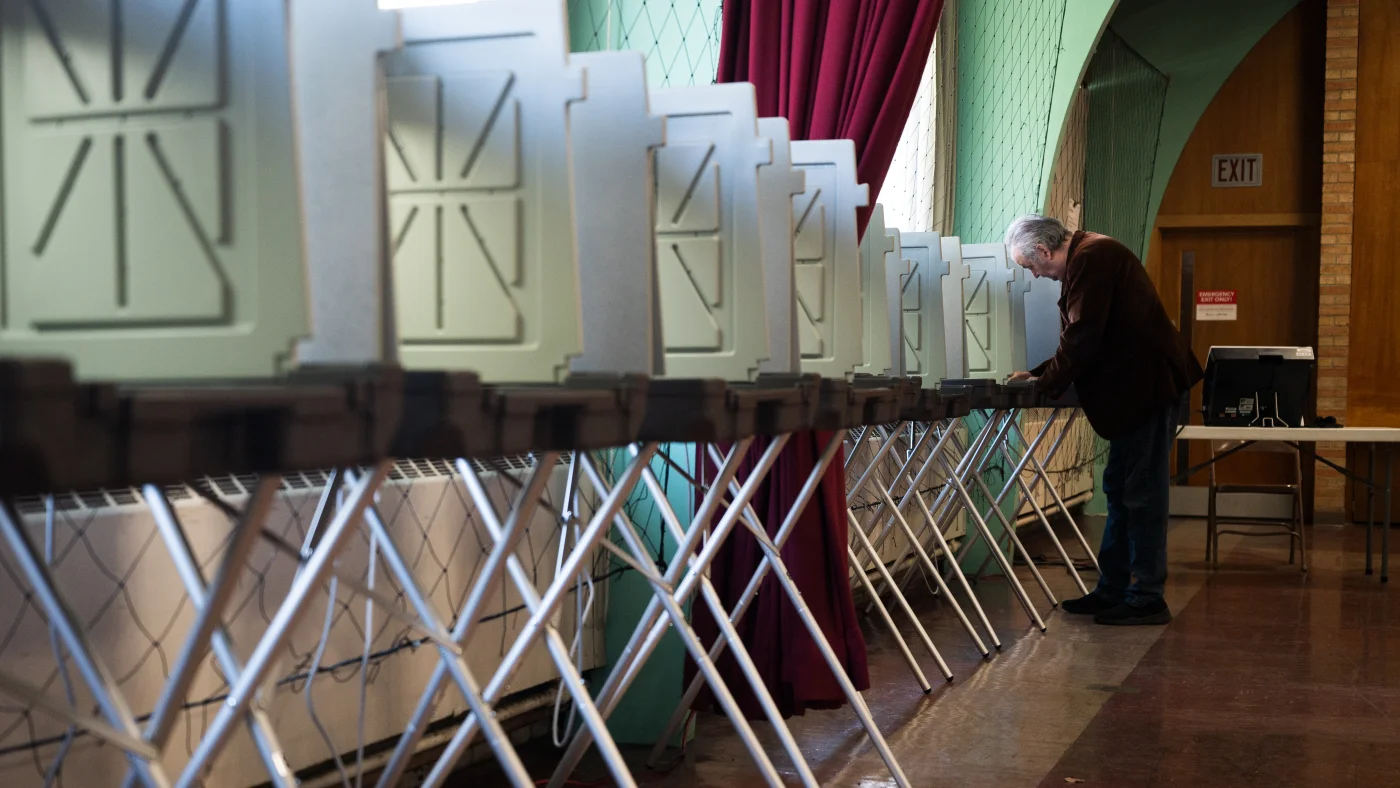
Exploring the 2026 Midterm Elections: An In-Depth Look
As the 2026 midterm elections approach, curiosity abounds regarding the potential outcomes and their implications. Questions about how journalists cover these elections are also prevalent, prompting NPR’s political correspondents to address these inquiries.
Understanding Political Polls and Their Accuracy
With recent elections showing some polling inaccuracies, particularly at state levels, questions arise about the reliability of these polls. While national polls generally perform well in predicting election outcomes, state surveys sometimes suffer from lower-quality data. This is often attributed to the decline of local journalism, which lacks the resources for high-quality polling. Domenico Montanaro, NPR’s senior political editor, emphasizes that polls should be seen as providing a range rather than precise predictions.
Montanaro also notes that polls are just one tool among many, including historical context and on-the-ground reporting. Despite some skepticism, polls continue to be a valuable resource for campaigns and corporations in strategizing their efforts.
The Appeal of Midterm Elections
Midterm elections, while not as high-profile as presidential races, offer unique opportunities for reporters. These elections often feature interesting storylines and candidates, providing a more intimate setting for journalists to cover. NPR congressional reporter Sam Gringlas shares his experiences covering candidates in diverse settings, which allows for closer interactions with both candidates and voters.
NPR senior political correspondent Tamara Keith highlights the broader engagement during presidential years, which can provide richer voter interviews. However, she finds midterms equally fascinating, especially when they include quirky candidates and storylines.
Races to Watch in the Midterms
Some races garner interest not only for their national significance but also for their compelling narratives. For instance, Nevada’s 2nd Congressional District has become a focal point due to its intriguing candidates and dynamics. Moreover, various states are voting on redistricting measures that could reshape political landscapes. Ashley Lopez, NPR political correspondent, points to states like Alaska and their ongoing debates over ranked choice voting as areas to watch.
Other noteworthy races include those in Texas and Michigan, where shifts in Latino voting patterns could influence outcomes. Additionally, various ballot initiatives, such as California’s wealth tax proposal, are under scrutiny.
The Executive Branch and Congressional Dynamics
Midterms often act as checks on the party in the White House, potentially leading to legislative gridlock if power is divided. Bipartisan issues like AI regulations might see progress, but investigations and oversight could become focal points if Democrats gain control of Congress. Montanaro notes that the president’s party has historically gained seats in only two midterm elections since World War II.
The Role of Debates in Elections
Debates remain a critical component of the electoral process, despite some candidates’ reluctance to participate. They offer an opportunity to challenge candidates beyond rehearsed talking points, providing voters with deeper insights into policies. Montanaro argues that debates are far from obsolete and will likely feature prominently in upcoming elections, including the presidential race.
Indicators for the 2028 Presidential Election
The outcomes of the 2026 midterms may offer clues for the 2028 presidential election. Democratic governors with strong reelection bids, such as J.B. Pritzker and Josh Shapiro, could emerge as potential candidates. The performance of progressive versus moderate Democrats might shape future party debates. Republicans, meanwhile, face the challenge of navigating post-Trump dynamics while maintaining MAGA support.
While midterms differ from presidential elections in terms of turnout and electorate, they provide insights into potential shifts in the political landscape. Montanaro suggests watching Senate margins as indicators of future governing majorities.