
Unrest in Beirut: Aid Worker Highlights Growing Fear and Exhaustion
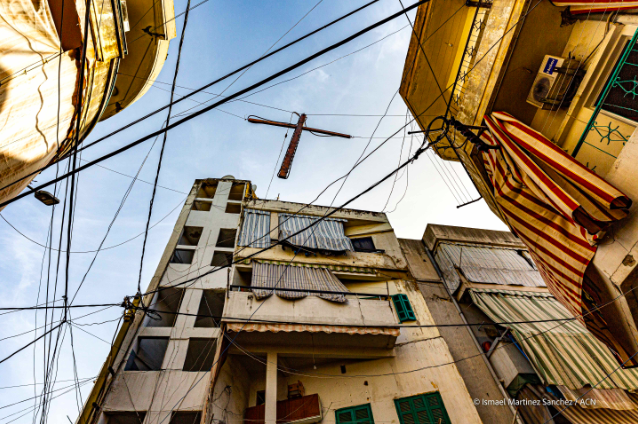
(Photo: Aid to the Church in Need)
Beirut is grappling with a heightened state of fear and emotional strain as a series of recent bombardments has left its residents feeling increasingly vulnerable. The aftermath of these attacks, described by Marielle Boutros, a project coordinator for Aid to the Church in Need (ACN), emphasizes the toll on a population already besieged by prolonged conflict and economic challenges.
Boutros’ observations come in the wake of substantial Israeli airstrikes on April 8, which resulted in at least 254 fatalities and over 2,000 injuries. The onslaught involved more than 100 bombs hitting various parts of the city, extending beyond the southern districts to affect multiple areas.
Residing in eastern Beirut, Boutros noted that many locals believed their homes offered protection, particularly in neighborhoods previously untouched by violence. However, the widespread attacks dismantled any remaining semblance of normalcy, inciting panic throughout the city.
She expressed the emotional impact to ACN News: “It was scary, it caused anger, it caused sadness especially when you hear a ceasefire is happening elsewhere. It was really tragic.”
The situation escalated further following a declaration by Israeli Prime Minister Benjamin Netanyahu, who affirmed the continuation of military actions against Hezbollah despite a ceasefire agreement between the US and Iran on April 7.
The fragile ceasefire between Hezbollah and Israel, which had been in place since 2024, collapsed on February 28. Since then, according to the Lebanese Ministry of Health, over 1,800 people have perished, including about 120 children, with an additional 6,000 injured.
In southern Lebanon, the conflict has intensified, leading to the evacuation of large areas by Israeli forces to establish dominance near the border. The Lebanese Army’s withdrawal from the Christian villages of Rmeich and Ein Ebel on March 31 signifies a shift in control to Israel’s buffer zone.
Boutros highlighted the emotional strain on residents, who face the constant anxiety of checking on loved ones amid widespread grief. “You don’t feel safe. Some of the victims were in their houses, in a secure and comforting place, and they were bombed. You have to cope with your anxiety, fears and guilt that have developed over the last few years. For me, this is the worst thing – when you are relieved that it’s not your family but you have families on the ground dead,” she shared.
The ongoing conflict poses a threat to essential services, particularly in southern regions. Aid to the Church in Need is actively engaged in relief efforts, offering food, medical aid, fuel for displaced families in church shelters, and trauma support for children.
Boutros expressed concern over the disruption to education, describing it as a “real emergency.” Many schools in southern Lebanon have shifted to online modes, with prolonged closures risking severe impacts on children who have already faced repeated interruptions since 2019.
The educational system, Boutros emphasized, is crucial for Lebanese citizens, as it supports not only academic pursuits but also serves as a hub for catechism and the dissemination of Christian values.
In her concluding remarks, Boutros appealed for prayers, noting the overwhelming sense of reaching a breaking point among many Lebanese. Yet, she maintained hope: “After all, our God is a God who was resurrected. He defeated death. We can rely on such a God.”
This article was originally written by www.christiantoday.com




