Addressing the Water Safety of Children with Autism in Florida
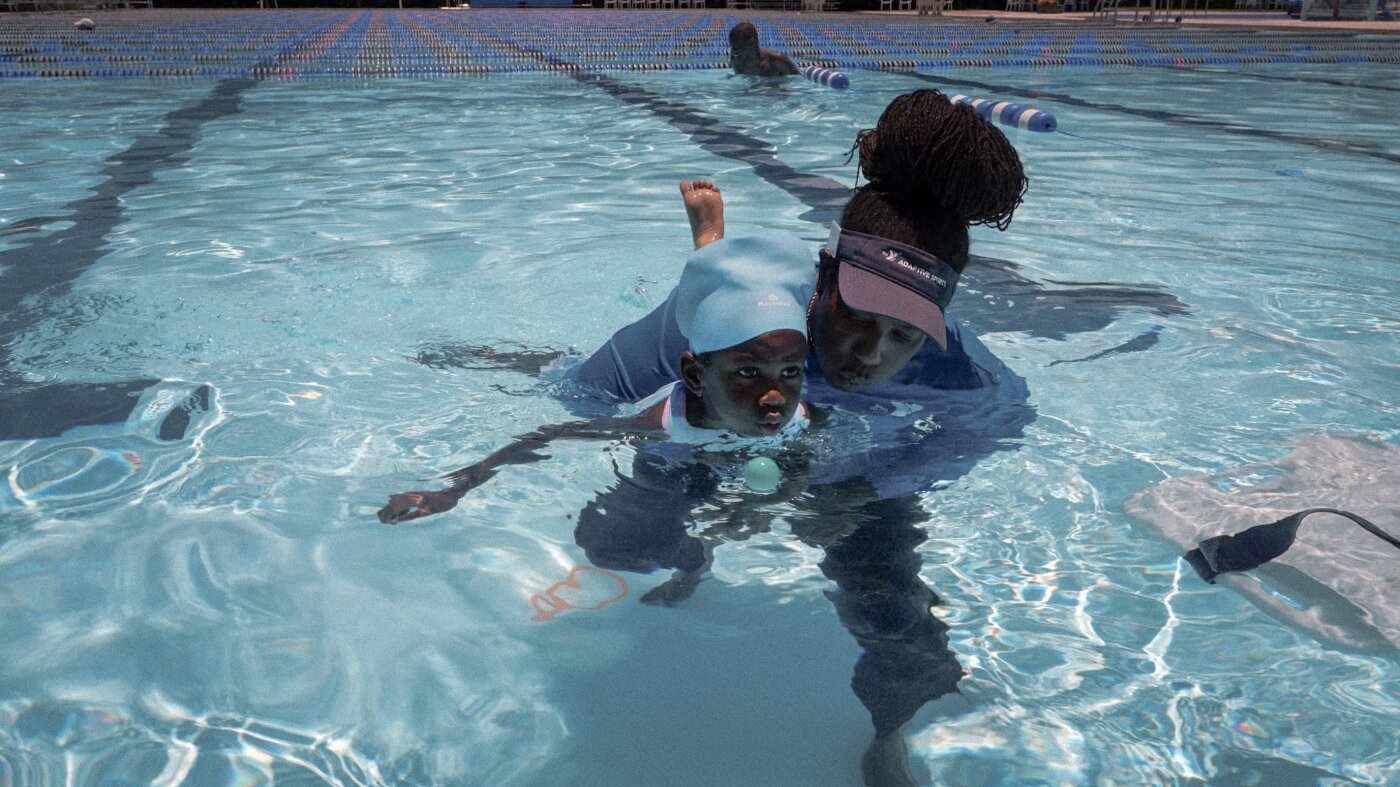
In Weston, Florida, 5-year-old Mackenzie Wesley eagerly attends her swim lessons wearing her bright blue Lilo & Stitch swim gear, reflecting her love for water. “Whether it’s the pool or beach, she enjoys it fully,” her father, Steven Wesley, shares.
This enthusiasm for water is common among children with autism, as they often find the sensory experience of water soothing. However, this affinity can pose significant safety risks. Mackenzie’s mother, Brittany Bucknor, highlights the heightened risk of drowning for children like Mackenzie: “In Florida, there’s water everywhere, and also with kids her age, and also just being on the spectrum, it’s a very — way higher — rate of having an incident of drowning.”
According to a 2017 study from Columbia University, children with autism are 160 times more likely to drown compared to their peers. In Florida, the prevalence of water bodies increases this risk, especially since approximately half of autistic children are prone to wandering away from safe environments. This is why quality swim lessons, such as the Swim Buddies program at the YMCA of South Florida, are essential.
The YMCA’s program is designed for children with disabilities, offering low-cost swim lessons. The state of Florida, recognizing the need for water safety, will expand a voucher program on July 1 to prioritize subsidized swim lessons for autistic children aged 1-7. Florida state Rep. Anna Eskamani, who helped sponsor the related bill, notes, “We have tragic circumstances and stories across the state of Florida of young children with autism that are wandering away, they’re eloping from their homes, from their classrooms.”
The voucher will usually cover about $200 in costs, equating to up to eight swim lessons. Once the law is updated, healthcare providers will inform parents about drowning prevention and the swim program upon the birth of their children, Eskamani explains.
A Comprehensive Approach to Swim Instruction
The YMCA of South Florida boasts one of the largest adaptive recreational programs for children with special needs, particularly autism, which is the fastest-growing group of children with disabilities. Alison Bregman-Rodriguez, vice president of the YMCA, states, “We provide this program for those with a variety of disabilities, primarily over 60 percent of our youth who do come have a diagnosis of autism.”
Garland Jones, who directs the YMCA’s special needs recreational program, emphasizes a “whole-person” approach to teaching, focusing on physical, emotional, and social development. Each child receives personalized instruction, considering their unique needs and comfort levels with water.
Professor Tania Santiago Perez from Florida International University, who studies effective swim instruction for children with autism, observes that well-structured lessons can significantly improve swimming skills. “The fact that we have been seeing that in five or six sessions they’re able to improve swim skills, to us, is very powerful,” she says.
During the Swim Buddies sessions, each lesson begins with group introductions to foster trust and social interaction, followed by individual instruction. The program uses positive reinforcement, such as colorful toys, to encourage participation and learning.
Overcoming Challenges in Swim Education
Despite the availability of programs like Swim Buddies, demand often exceeds supply, with many facilities lacking enough qualified instructors. “The problem is access,” Santiago Perez states, noting that only about a third of families receive vouchers due to limited availability.
Parents like Augusto Sandino, whose son is in Swim Buddies, appreciate the financial relief the voucher program offers. “People who don’t have kids on the spectrum don’t take in mind that we’re paying a lot already for stuff like behavioral therapy, speech, occupational therapy,” he says.
As Mackenzie completes her swim lesson, her parents are proud of the progress she’s made, including attending her first pool party confidently. Through initiatives like Swim Buddies, children like Mackenzie can safely enjoy their love for water.
Edited by: Nirvi Shah
Visual design and development by: LA Johnson