Venice Biennale 2026: Art and Activism Intersect Amidst Global Tensions
The 61st Venice Biennale commenced with an air of tension, as ongoing geopolitical conflicts overshadowed the art festival’s famed celebration of contemporary creativity. Despite the usual allure of artistic innovation, the event has been marked by significant protests and withdrawals.
Amid the bustling opening, numerous artists, including Laurie Anderson, Alfredo Jaar, and Zoe Leonard, declared their withdrawal from award competitions. This move aligns with broader protests at the Biennale, which has historically spotlighted renowned figures like Henri Matisse and Jackson Pollock. A collective statement from artists and national pavilions such as France, Ecuador, and the UAE expressed solidarity with the jury’s resignation.
The resignation of the jury members, including Solange Farkas and Zoe Butt, came after they refused to award countries with leaders charged by the International Criminal Court, notably Israel and Russia. The Biennale has since enabled visitors to vote for award winners, with results to be revealed on November 22.
Protests and Demonstrations in Venice
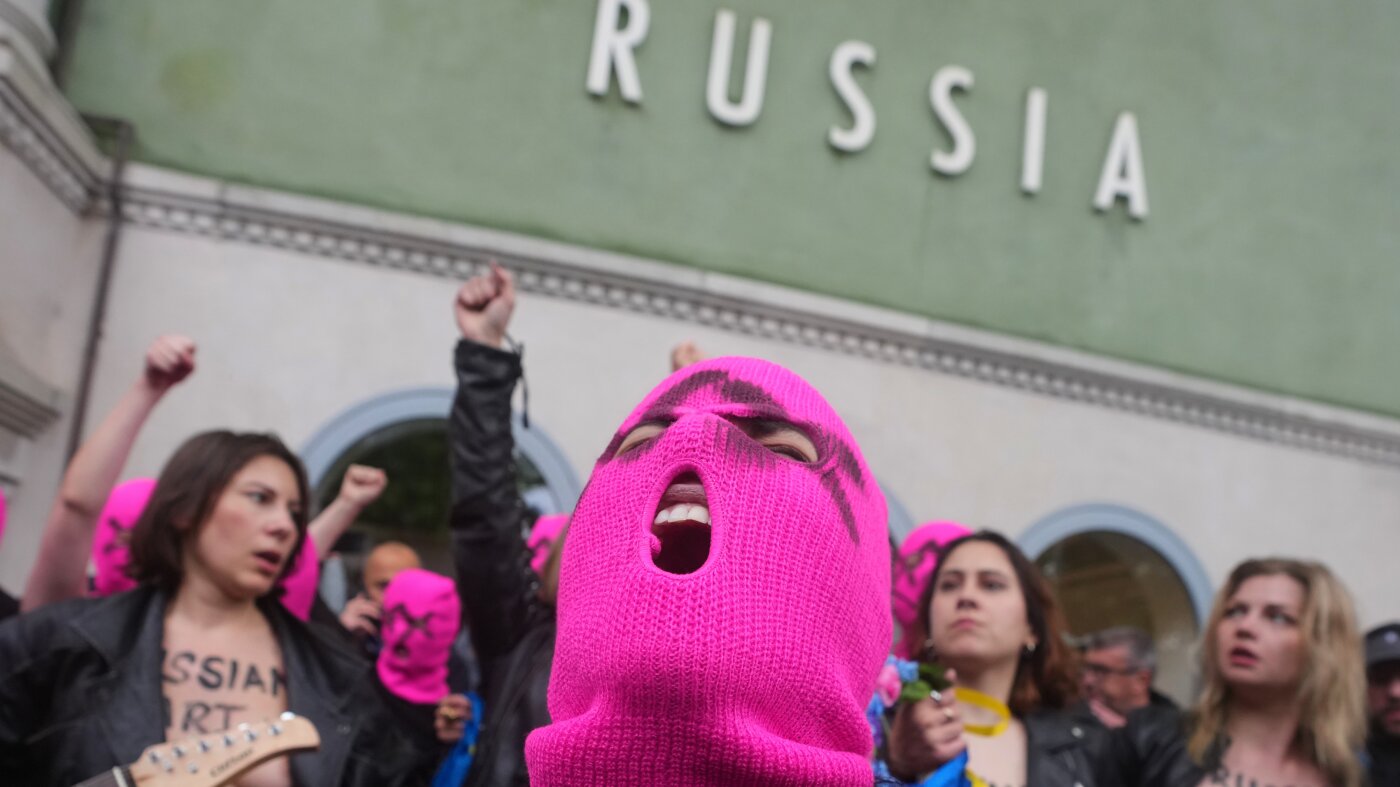
The Biennale has seen its share of vibrant demonstrations. The art collective Pussy Riot protested Russia’s return, voicing opposition with pink balaclavas and smoke flares, while chanting “No Putin in Venice.” Similarly, protests erupted against Israel’s participation due to the Gaza conflict, temporarily closing pavilions from Japan, Finland, and the UK.
The South African pavilion was notably canceled earlier this year over content disputes, and Australian artist Khaled Sabsabi faced a temporary exclusion due to political accusations, only to be reinstated after community backlash.
Controversy and Calls for Change
The U.S. has also faced criticism, with calls for its exclusion from the Biennale due to involvement in global conflicts. An open letter signed by 74 artists and curators urged the exclusion of delegations from nations accused of war crimes, including the U.S., Israel, and Russia, as seen on e-flux.
Despite these tensions, U.S.-based gallerist Jessica Kreps emphasized the importance of dialogue, noting, “The Biennale should be a place for respectful dialogue,” as reported by Lehmann Maupin. Kreps remained unaffected by the protests, maintaining her ability to experience the event fully.
A Legacy of Activism
The Venice Biennale, much like global events such as the Olympics, has a history of being a protest stage. Notable instances include the 1968 protests against its capitalist nature and the 1974 focus shift towards democracy following Chile’s political turmoil. In 2022, the Russian Pavilion remained closed as a statement against the Ukraine invasion.
While the Biennale has yet to comment on the current unrest, its legacy as a platform for both art and activism continues to evolve.