
Reimagining Higher Education: The Greenway Institute’s Bold Initiative in Vermont
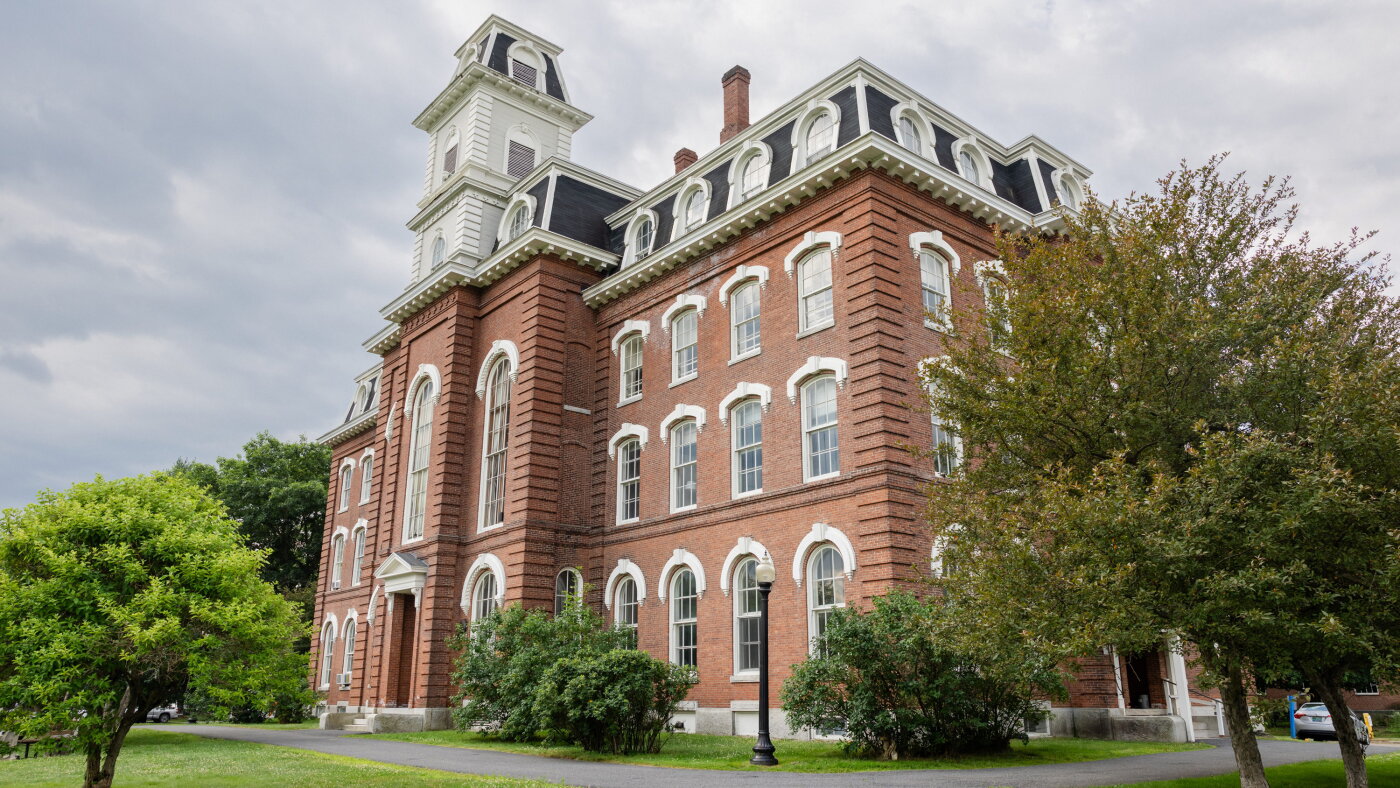
In the picturesque setting of Montpelier, Vermont, where historic red-brick buildings overlook the capital city, a transformative educational experiment is underway. The Greenway Institute is poised to redefine the landscape of higher education by adopting a model that challenges traditional norms.
Amidst a backdrop of numerous college closures, including 152 institutions since 2016, Greenway emerges as a beacon of innovation. This new educational venture aims to tackle the inefficiencies of current models and offer a more affordable and effective alternative to conventional higher education.
The Vision: A Practical Approach to Education
Greenway Institute’s philosophy centers on pragmatic learning, emphasizing hands-on experience over theoretical lectures. “It’s not fancy. It’s a place where you do have a meaningful relationship with your faculty members. But you also take out your own trash,” stated Mark Somerville, the founding president, echoing the institution’s commitment to simplicity and practicality.
The institute plans to strip away costly nonacademic amenities and administrative layers, focusing instead on real-world training under faculty mentorship. By doing so, they aim to offer an education that is both impactful and affordable.
Real-World Training: A New Educational Model
In a prototype semester, Greenway tested its model with four college sophomores who engaged in projects like designing wind turbines and solar-powered traffic signals. This approach aligns with research indicating that work-based learning significantly enhances employability and career advancement.
Jazz Gonzalez, a participant in the prototype semester, reflected on the difference from conventional lectures, expressing a desire for deeper engagement and practical application of knowledge. “I would always say, ‘OK, but how do I dig deeper into this? How do I use this, and how do I actually apply it to what I’m going to be doing in the future?'” he shared.
Cost-Effective Education
Greenway’s innovative model extends beyond the classroom to include self-sufficiency in daily life. Students will be responsible for their own meals and living arrangements, fostering independence and life skills often overlooked in traditional education.
The institute plans to offer tuition under $25,000 annually, significantly lower than the average cost at private universities. This is achievable through the integration of paid co-op jobs, which provide practical experience and financial benefits during the students’ third and fourth years.
A Collaborative Effort
Greenway’s founders, a diverse group of tech executives, educators, and industry leaders, are united in their mission to create a new educational paradigm. They are supported by organizations like the Future Universities Alliance, which aims to foster innovative higher education models.
While the institution’s focus will initially be on engineering, the vision includes expansion to multiple locations and disciplines, with a goal of reaching 500 students in Montpelier and establishing a nationwide presence.
Challenges and Prospects
Despite the ambitious vision, Greenway faces challenges, including the lengthy accreditation process and the need to attract a critical mass of students. However, its founders are optimistic that the innovative model will appeal to students seeking a practical and affordable education.
Rebecca Holcombe, a co-founder and former Vermont secretary of education, acknowledged the hurdles but emphasized the need for change: “We’re ready to start saying, ‘OK, if not this, then what?'”
As Greenway prepares to welcome its first cohort of students in 2027, the institute represents a bold step towards reimagining what higher education can be in the 21st century.




