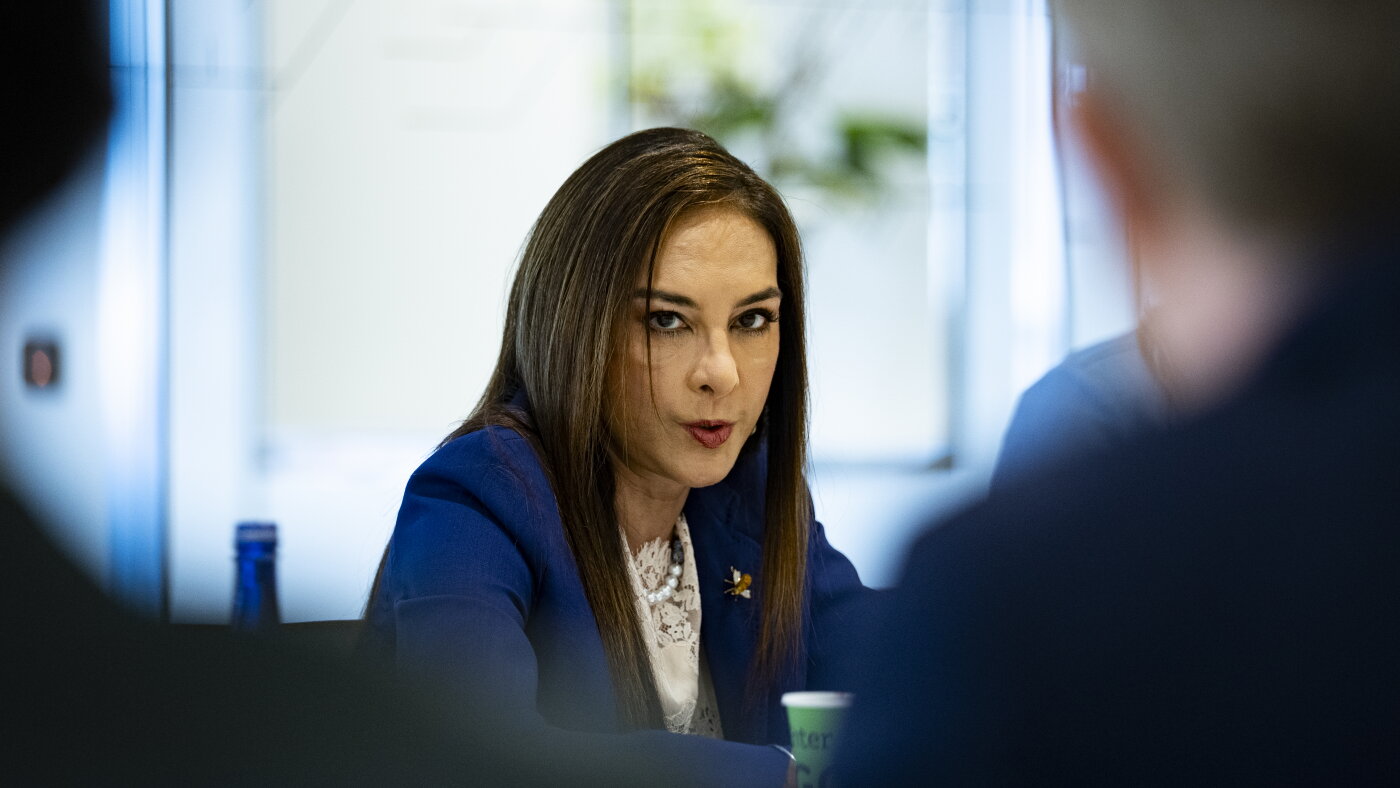
In a time of significant shifts within the U.S. Department of Justice, Harmeet Dhillon has emerged as a pivotal figure reshaping the Civil Rights Division. Since taking charge in April, Dhillon has spearheaded a transformation that aligns closely with President Trump’s MAGA agenda, causing a stir among veteran attorneys and officials.
Dhillon’s tenure has been marked by a bold strategy of overhauling the division’s staff, replacing seasoned attorneys with new hires who share her ideological perspectives. This move has resulted in the departure of hundreds of long-standing staff members, a development confirmed by multiple current and former officials within the division.
Redefining Civil Rights Enforcement
The Civil Rights Division, established nearly 70 years ago, has historically focused on combating discrimination across various sectors, including voting, housing, and education. However, Dhillon argues that the division has become too narrowly focused on protecting specific demographic groups, particularly people of color.
Dhillon’s vision, as articulated during a Federalist Society event, challenges the traditional approach: “As the logic goes, the white oppressors of years past kept Brown and Black people down, why not give them a taste of their own medicine?” she stated, critiquing what she perceives as a form of “benevolent racism.”
Shifts in Focus Under Trump’s Return
With Trump’s return to office in 2025, Dhillon has redirected the division’s priorities, discontinuing numerous investigations into voting rights and racial discrimination. The division has also withdrawn from cases involving anti-abortion activists and police department probes related to alleged constitutional violations. More details can be found here.
On the electoral front, the division has actively pursued alleged election fraud, particularly focusing on noncitizens. However, this aggressive stance has faced pushback from state officials and judges, with several lawsuits being dismissed, including a notable case in Georgia.
Controversies in Education and Hiring Practices
Education remains a contentious area, with the division accusing universities of discrimination against white and Asian students. Additionally, lawsuits against institutions like UCLA and Harvard for alleged antisemitism have met mixed outcomes in court. More details on the lawsuits can be accessed here and here.
Dhillon’s approach to staffing has also drawn criticism for emphasizing political alignment over traditional civil rights expertise. While the Justice Department insists on adherence to established hiring practices, critics argue that political ideology heavily influences new appointments.
Former division official Dena Robinson, now with the ACLU, expressed concern: “I could understand it if Harmeet wanted to bring in people who could both further the president’s priorities and also continue with the division’s enforcement work, its traditional enforcement work. But that’s just not happening anymore.”
This article was originally written by www.npr.org