Hungarian Elections Signal Shift as Opposition Gains Ground
In a historic electoral turnout in Hungary, voters have decisively leaned away from Prime Minister Viktor Orbán’s Fidesz party, according to exit polls. The Tisza movement, led by Péter Magyar, is poised to secure a “super-majority,” marking a significant political shift in the country since the fall of communism in the 1990s.
Péter Magyar’s campaign, which united various opposition factions under promises to combat corruption and realign Hungary with mainstream European policies, appears to have resonated with the electorate. This potential victory could allow Magyar to reverse constitutional amendments that were implemented under Orbán, which critics claim compromised judicial independence and solidified Fidesz’s political dominance.
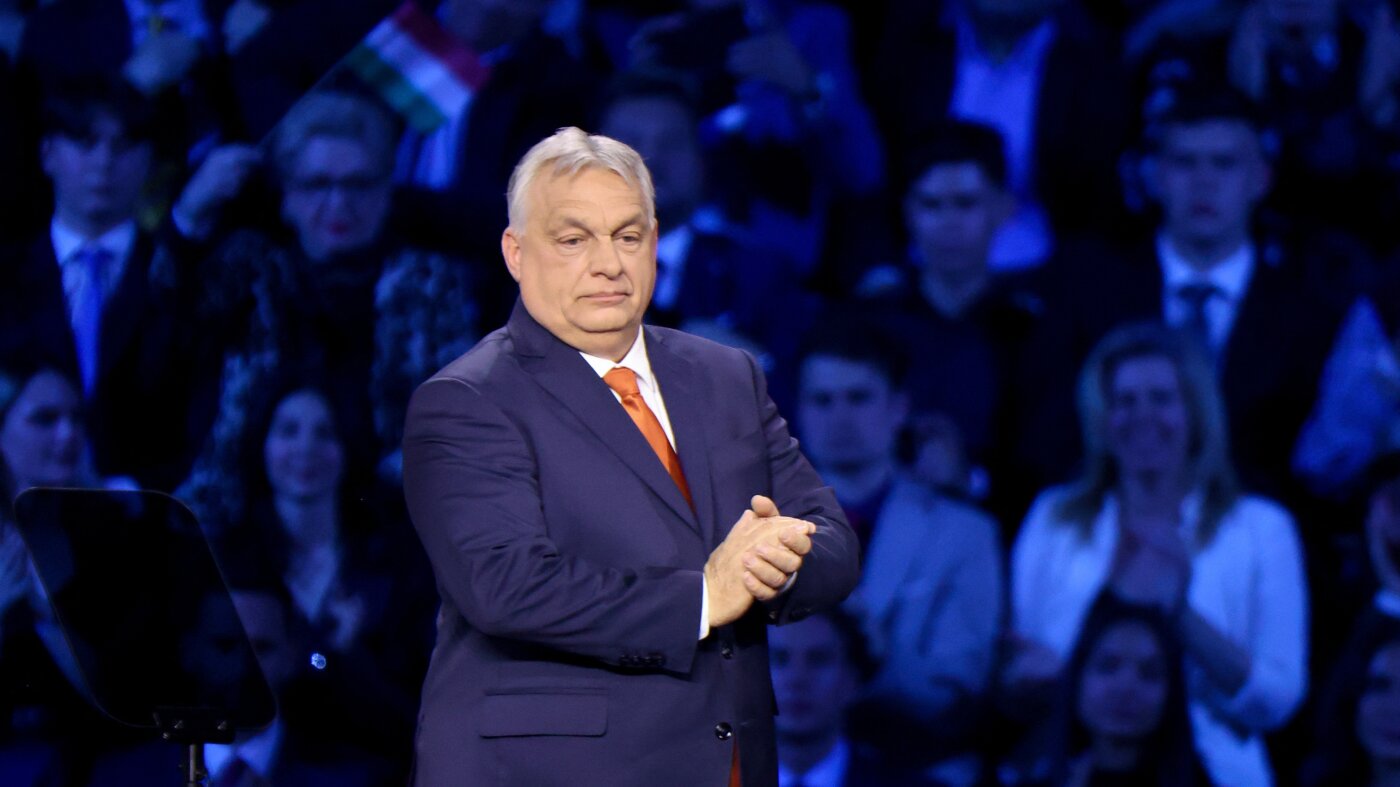
In a swift concession speech delivered less than three hours post voting, Prime Minister Orbán acknowledged the preliminary results and congratulated Magyar. The final count is still ongoing, but the trend indicates a possible two-thirds majority for the Tisza movement, a result that could reshape Hungary’s political landscape.
The implications of this election are far-reaching for both Europe and Ukraine. Orbán, known for his pro-Kremlin stance, has often been at odds with the European Union, particularly concerning financial support for Kyiv amid ongoing conflicts. Allegations of corruption and the inappropriate use of EU funds have also shadowed his administration, although he refutes these claims.
The international spotlight on Hungary’s elections was further intensified by notable figures such as U.S. Vice President JD Vance, who made an appearance alongside Orbán, and former President Trump, who participated via a call at a rally. Orbán’s vision for Hungary as an “illiberal” democracy has been a focal point of global discourse, drawing both criticism and support.
This story will be updated.