Federal Judge’s Chambers Under Scrutiny Amid Allegations of Workplace Misconduct
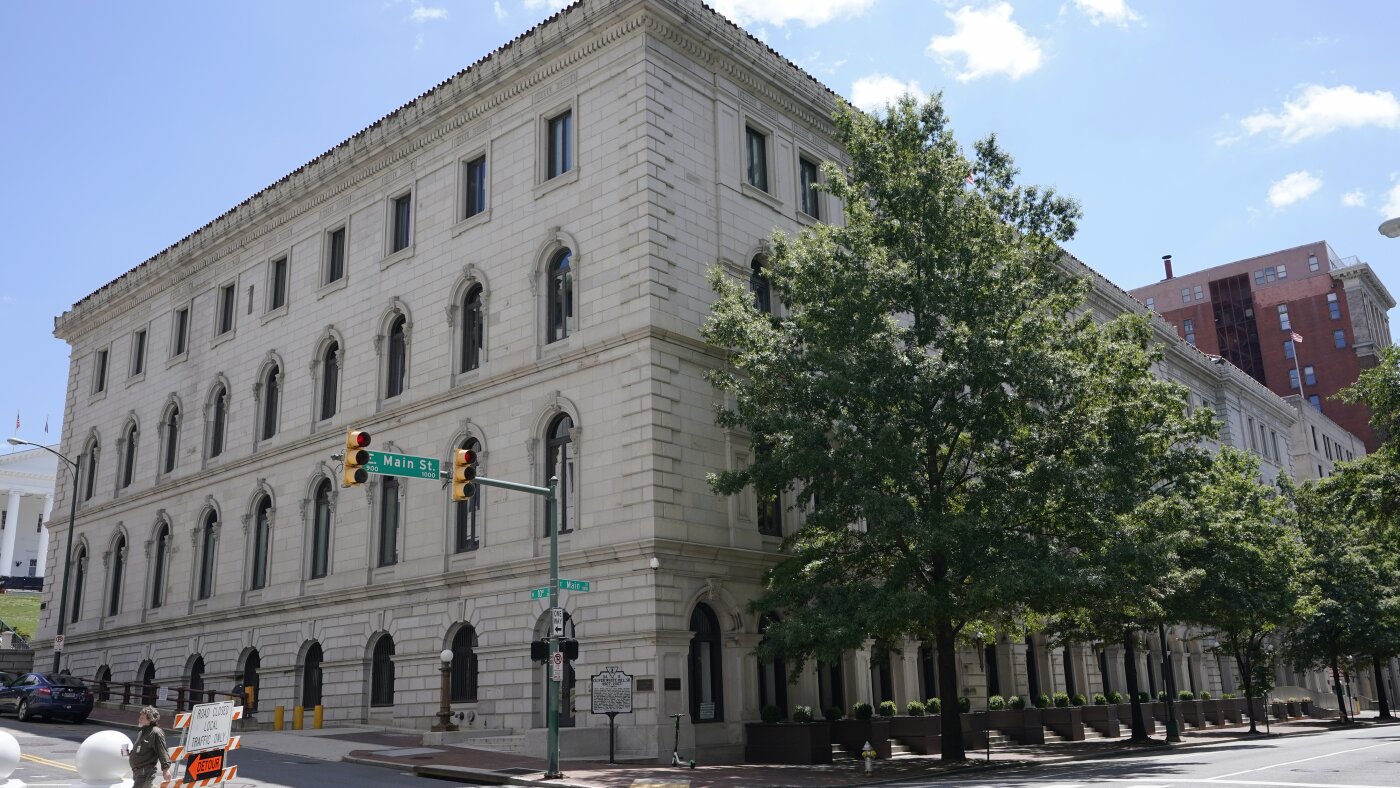
In a rare glimpse into the inner workings of a federal judge’s chambers, a recent investigation has brought to light allegations of a hostile work environment in the U.S. Court of Appeals for the Fourth Circuit. An unnamed judge has been accused of creating conditions that “at times resulted in an abusive workplace,” prompting a public acknowledgment and a commitment to corrective action.
The inquiry was initiated after a law clerk reported instances of bullying, as revealed in an official order made public by the Fourth Circuit. The order details accusations of harassment and erratic behavior by the judge, exacerbated during the COVID-19 pandemic. Clerks were reportedly subjected to intense pressure, such as being required to provide weekly updates on approximately 200 cases, with failure to do so resulting in “a verbal browbeating.”
While the judge’s identity remains officially undisclosed, two sources informed NPR that the judge in question is U.S. District Judge Lydia Kay Griggsby of Maryland, appointed by President Biden in 2021. Judge Griggsby has not responded to requests for comment, and neither has the circuit executive nor the Administrative Office of the U.S. Courts.
The order, signed by Chief Judge Albert Diaz, acknowledges that some of the issues may stem from poor communication and misunderstandings. However, it also highlights a culture of fear among clerks, leading to health concerns and the premature transfer of clerks from Judge Griggsby’s chambers. One clerk left after just two-and-a-half months.
The investigation included interviews with other law clerks and a judicial assistant, who corroborated the complaints. Despite the challenging work environment, most expressed a willingness to work for the judge again. The judge has agreed to corrective actions, such as consulting with a mentor judge and undergoing workplace training.
An NPR investigation has raised concerns about the judiciary’s self-regulation and the lack of federal anti-discrimination protections for court employees, which limits their ability to address workplace misconduct legally. The power dynamics between judges and clerks often discourage formal complaints.
Nonetheless, some cases of alleged misconduct have surfaced publicly. NPR recently reported on Senior Judge Mark Wolf’s retirement following a complaint from a former clerk. Similarly, The Legal Accountability Project filed a formal complaint against Judge Sarah Merriam of the Second Circuit Appeals Court.
Aliza Shatzman, founder of The Legal Accountability Project, criticized the delayed response to the allegations, noting it allowed potential mistreatment to continue unchecked. She expressed skepticism about the effectiveness of corrective measures like workplace training, emphasizing the need for meaningful disciplinary actions to prevent ongoing abuse in federal courts.
This article was originally written by www.npr.org