Across the globe, Christians are observing Pentecost, a significant but sometimes misunderstood day. This occasion is pivotal in Christian theology, linked to the Holy Spirit’s work and the church’s inception.
If you’re curious about the origins of Pentecost and its ongoing relevance, you’re not alone.
Understanding Pentecost
The term “Pentecost” comes from the Greek word for “fiftieth,” marking the day 50 days post-Passover. It is rooted in the Old Testament’s Feast of Weeks, a harvest celebration (Leviticus 23:15-16; Acts 2:1). This feast stood alongside Passover and the Feast of Tabernacles as one of the three principal Jewish festivals (Deuteronomy 16:16).
In ancient Israel, this day was a time of gratitude, offering the first fruits to God (Leviticus 23:17-20). However, the New Testament presents a new dimension: Jesus as the true first fruit, risen from the dead, symbolizing new life (1 Corinthians 15:20). Pentecost marked the emergence of the first Christian community, akin to a spiritual harvest (Acts 2:41-47).
What Happened During Pentecost?
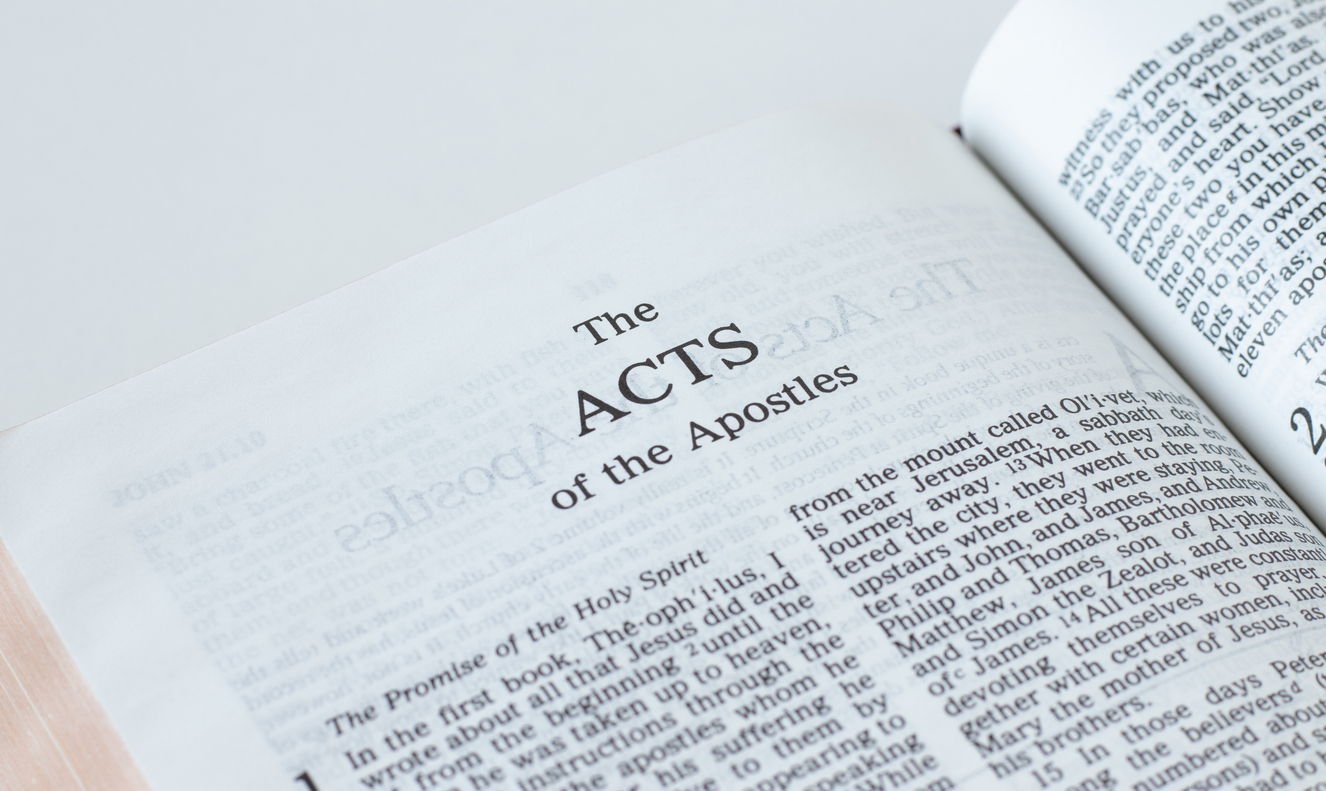
Acts 2 records the Pentecost events. Disciples were gathered, waiting as instructed by Jesus (Acts 2:1). Jesus had advised them to stay in Jerusalem for the Holy Spirit’s baptism (Acts 1:4-5).
Jerusalem was bustling with people from various nations due to the festival (Acts 2:5). Suddenly, a sound like a powerful wind filled the house, and tongues of fire appeared, resting on each person (Acts 2:2-3). Filled with the Holy Spirit, they began speaking in different languages (Acts 2:4).
This event wasn’t private. Onlookers from diverse nations were stunned as they heard God’s wonders in their native languages (Acts 2:6-8). Some mocked, suggesting drunkenness, but Peter addressed the crowd, declaring Jesus as both Lord and Messiah (Acts 2:14-15). About 3,000 people were baptized that day (Acts 2:41).
God’s Promise Fulfilled
Pentecost was a realization of Jesus’ promise and Joel’s prophecy (Luke 24:49; Acts 1:4). Joel prophesied the outpouring of the Spirit on all people (Joel 2:28-32; Acts 2:16-21).
In the Old Testament, the Spirit was for specific individuals (Judges 6:34). However, Pentecost initiated a new era where the Holy Spirit was available to all believers (Acts 2:17-18). This was a gift for all who believe in Jesus (John 7:37-39).
Unity Through the Holy Spirit
Pentecost demonstrated the Spirit’s unifying power. The Tower of Babel had divided humanity through language (Genesis 11:4-9), but Pentecost reversed this, enabling mutual understanding (Acts 2:6-11).
God used ordinary Galileans, not societal elites, to spread His message (Acts 2:7). The Holy Spirit broke down barriers of language and culture, creating a unified body of believers (Galatians 3:28).
Transformation From Within
The Holy Spirit, given by grace, transforms believers (Ephesians 2:8-9). Jesus emphasized that the Father gives the Holy Spirit to those who ask (Luke 11:13). Peter echoed this, urging repentance and baptism to receive the Spirit (Acts 2:38).
The Spirit renews hearts, enabling believers to live a new life in Christ (Titus 3:5-6). He guides, teaches, and comforts us, affirming our identity as God’s children (John 1:12; Romans 8:15-16).
The Church’s Birth and Mission
Pentecost signifies the birth of the church. Following Peter’s sermon, thousands embraced the faith (Acts 2:41). The early church was characterized by teaching, fellowship, and prayer (Acts 2:42).
This marked the beginning of a Spirit-filled community, emphasizing love, worship, and mission (Ephesians 2:22). The Holy Spirit empowered the church to spread the gospel globally (Acts 1:8).
This article was originally written by www.christiantoday.com