
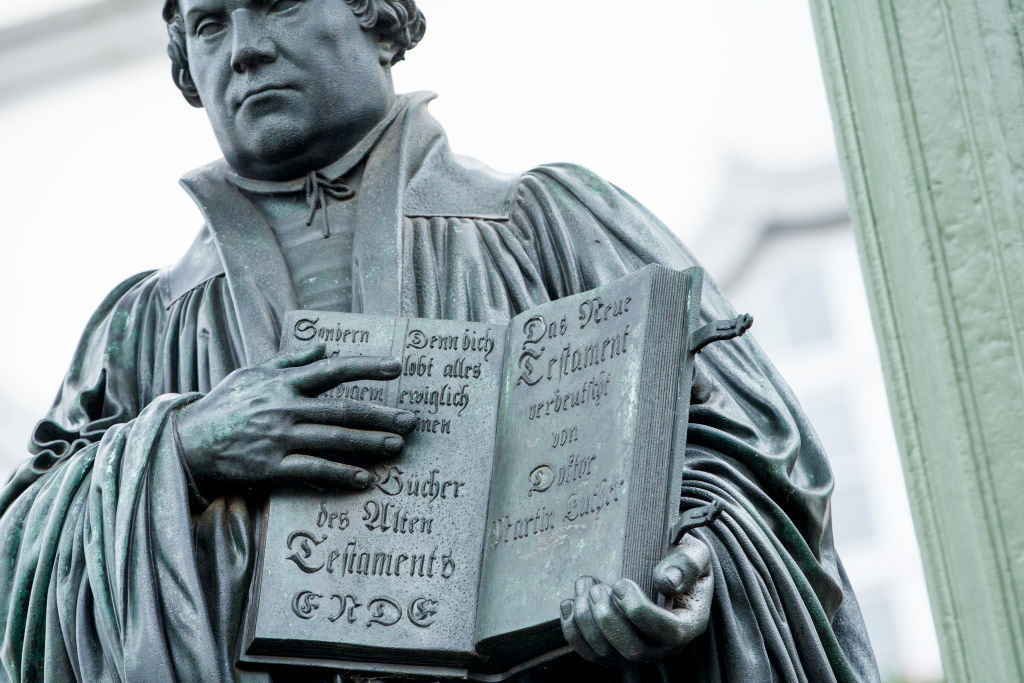
On a day that would forever alter the landscape of Western Christianity, Martin Luther, an Augustinian monk, took a bold step by posting his 95 theses on a church door in Wittenberg, Germany, on October 31, 1517. This act marked the beginning of the Protestant Reformation, a movement that continues to shape religious and cultural dialogue.
Luther’s theses challenged the Catholic Church’s practices and theological stances, sparking widespread debate and leading to significant religious reformations. However, his criticisms came at a cost, earning him numerous adversaries across Europe.
The opposition to Luther was varied; it included scholars who engaged in intellectual duels and rulers who sought to suppress his teachings through force. Some of these figures initially supported him but later disagreed on the direction and nature of the reforms, while others, initially adversarial, eventually found common ground with his ideas.
Here are seven figures who stood as notable adversaries to Martin Luther during this tumultuous period.
This article was originally written by www.christianpost.com




