Southern Poverty Law Center Faces Federal Fraud Allegations
The Southern Poverty Law Center (SPLC), known for its work in tracking and combating hate groups, is now under legal scrutiny. Federal charges have been filed against the organization, accusing it of fraudulently raising millions to pay informants within extremist groups, including the Ku Klux Klan.
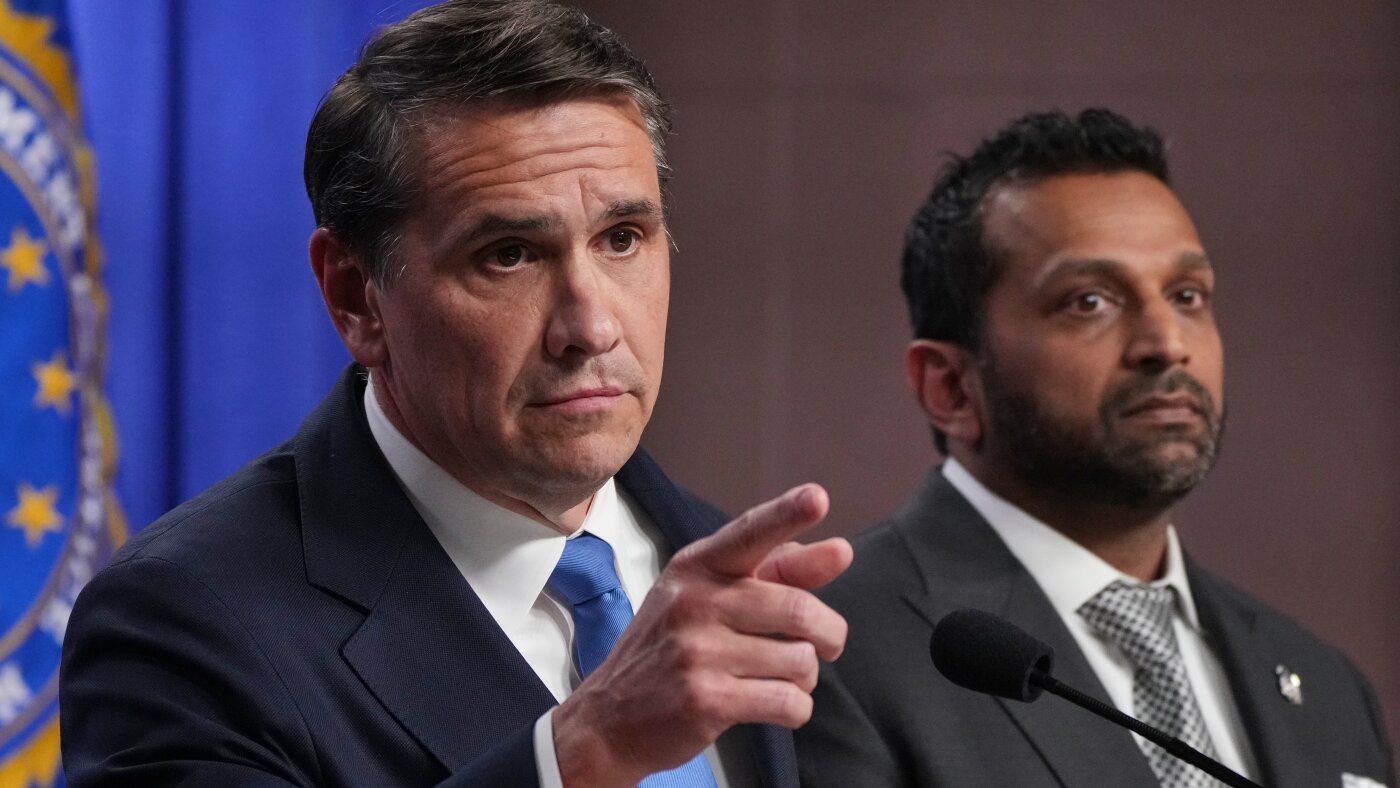
Acting Attorney General Todd Blanche announced on Tuesday that the Department of Justice has indicted the SPLC on charges of wire fraud, bank fraud, and conspiracy to commit money laundering. The allegations suggest that the SPLC misled donors by funding the extremism it aimed to dismantle, using over $3 million to pay informants within white supremacist groups. Some of this money allegedly facilitated further criminal activities, although specific instances were not detailed in court papers.
“The SPLC was not dismantling these groups. It was instead manufacturing the extremism it purports to oppose by paying sources to stoke racial hatred,” Blanche stated.
In response, the SPLC has vowed to defend itself against what it claims are false allegations. The organization argues that its informant program, which has been active since the 1980s, was crucial in averting violence and threats from extremist groups. Interim CEO and president Bryan Fair emphasized the importance of their mission, stating, “Taking on violent hate and extremist groups is among the most dangerous work there is, and we believe it is also among the most important work we do.”
The Informant Program and Its Secret Operations
According to the Justice Department, the SPLC has been accused of creating fictitious entities to secretly channel funds to its informants. The indictment outlines that these entities were used to disguise the true purpose of the funds. The organization allegedly failed to disclose the existence and details of this program to its donors, violating nonprofit transparency laws.
The indictment highlights payments to at least nine informants, referred to internally as “the Fs,” with one individual allegedly receiving over $1 million while linked to the neo-Nazi National Alliance. Another informant reportedly participated in organizing the 2017 “Unite the Right” rally in Charlottesville, Virginia, under the SPLC’s directive, receiving more than $270,000 over several years.
Fair defended the secrecy of the informant program, citing the dangers faced during the Civil Rights Movement, and maintained that the information gathered was vital in saving lives.
Political Repercussions and Criticism
The SPLC, founded in 1971 in Montgomery, Alabama, has long been a target of Republican criticism, with accusations of leftist bias and partisanship. The recent legal action may further fuel concerns about the Justice Department’s role under the Trump administration, with allegations of targeting political adversaries.
Conservative figures and groups have scrutinized the SPLC’s labeling of organizations as extremist, arguing that it unfairly maligns right-wing groups. This criticism intensified after the assassination of Charlie Kirk, a conservative activist, and the SPLC’s mention of his founded group, Turning Point USA, in a report on extremism.
FBI Director Kash Patel announced last year that the agency would cut ties with the SPLC, accusing it of being a “partisan smear machine” that misrepresents mainstream Americans through its documentation of hate groups.
In December, House Republicans held a hearing accusing the SPLC of collaborating with the Biden administration to target conservative and Christian Americans, raising questions about free speech and association rights.
This article was originally written by www.npr.org