Virginia’s Redistricting Vote Could Shift Congressional Balance
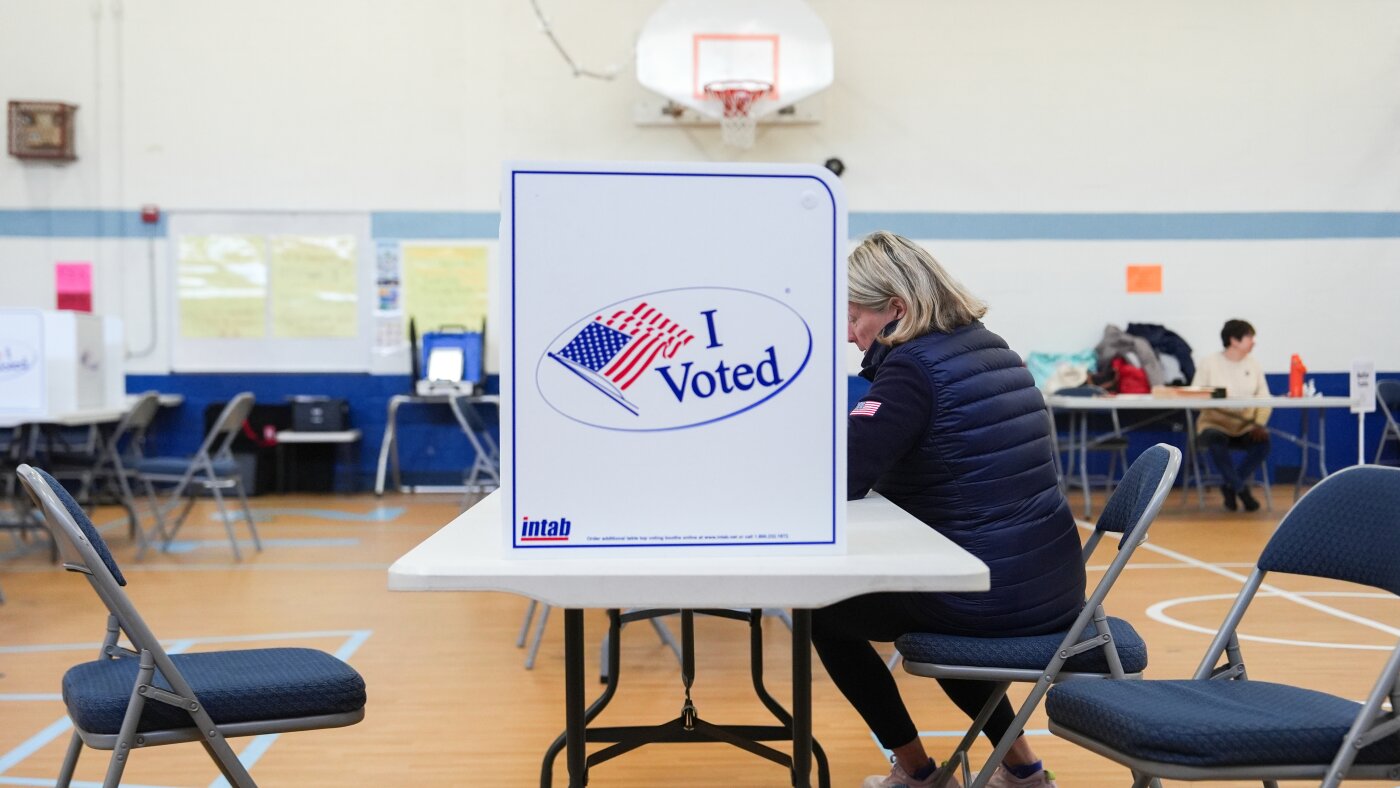
In a major development for the Democratic Party, Virginia voters have approved a pivotal redistricting measure that could significantly alter the state’s political landscape ahead of the midterm elections.
The Associated Press reports that a slight majority of Virginians voted in favor of a legislative proposal from the Democrat-controlled state assembly. This measure bypasses the existing bipartisan redistricting commission, potentially allowing the creation of additional Democrat-favored congressional districts.
With this new redistricting map, Democrats might win as many as 10 of Virginia’s 11 congressional seats, up from the current six. This increase could be crucial for the party’s strategy to reclaim control of the U.S. House of Representatives.
The special redistricting election in Virginia attracted considerable attention, partly because polling indicated mixed voter opinions on the proposal. Campaign advertisements from both sides further fueled voter confusion, as highlighted in this report.
This vote marks the latest chapter in a broader redistricting battle that began last year when former President Trump urged Texas lawmakers to design five additional GOP-favorable seats. Meanwhile, California voters endorsed a plan creating five Democrat-leaning seats, effectively neutralizing the Republican advantage in Texas.
Despite Republicans gaining some ground in Missouri and North Carolina, Virginia’s decision could negate their edge in upcoming elections.
However, the final outcome remains uncertain as the Virginia Supreme Court has yet to decide on legal challenges regarding the redistricting process. The court’s ruling could prevent the new districts from being implemented in this year’s elections.
Meanwhile, Florida is poised to join the national redistricting debate. Governor Ron DeSantis has called a special session, urging lawmakers to draft more Republican-favorable districts. Unlike Virginia, Florida lawmakers are proceeding without voter input, despite a 2010 ballot measure prohibiting partisan gerrymandering. For more details, see the session memo.