Changes to SNAP Benefits Raise Concerns for Many
The Supplemental Nutrition Assistance Program (SNAP), a vital anti-hunger initiative, is undergoing significant changes. These changes affect a broad segment of the population, particularly those close to the poverty line, which accounts for roughly 1 in 8 Americans.
Key modifications include expanded work requirements and other adjustments now being enforced by states. This shift places several groups at risk of losing their benefits. Those impacted include able-bodied individuals aged 55 to 64, parents with children between 14 and 17, veterans, homeless individuals, and young adults transitioning out of foster care.
The adjustments are linked to a 20% reduction in funding resulting from the One Big Beautiful Bill Act signed by President Trump last year. This legislation has sparked concern among recipients and advocacy groups about the potential loss of essential support.
NPR is actively seeking input from those affected by these changes. They are interested in understanding how the loss of SNAP benefits impacts your current and future circumstances. If you are a state employee or work in food assistance, your insights into the unfolding changes are also valuable.
If you would like to share your story with NPR, please fill out the form below. Your experiences could contribute to future reporting, provided you consent to the use of your information.
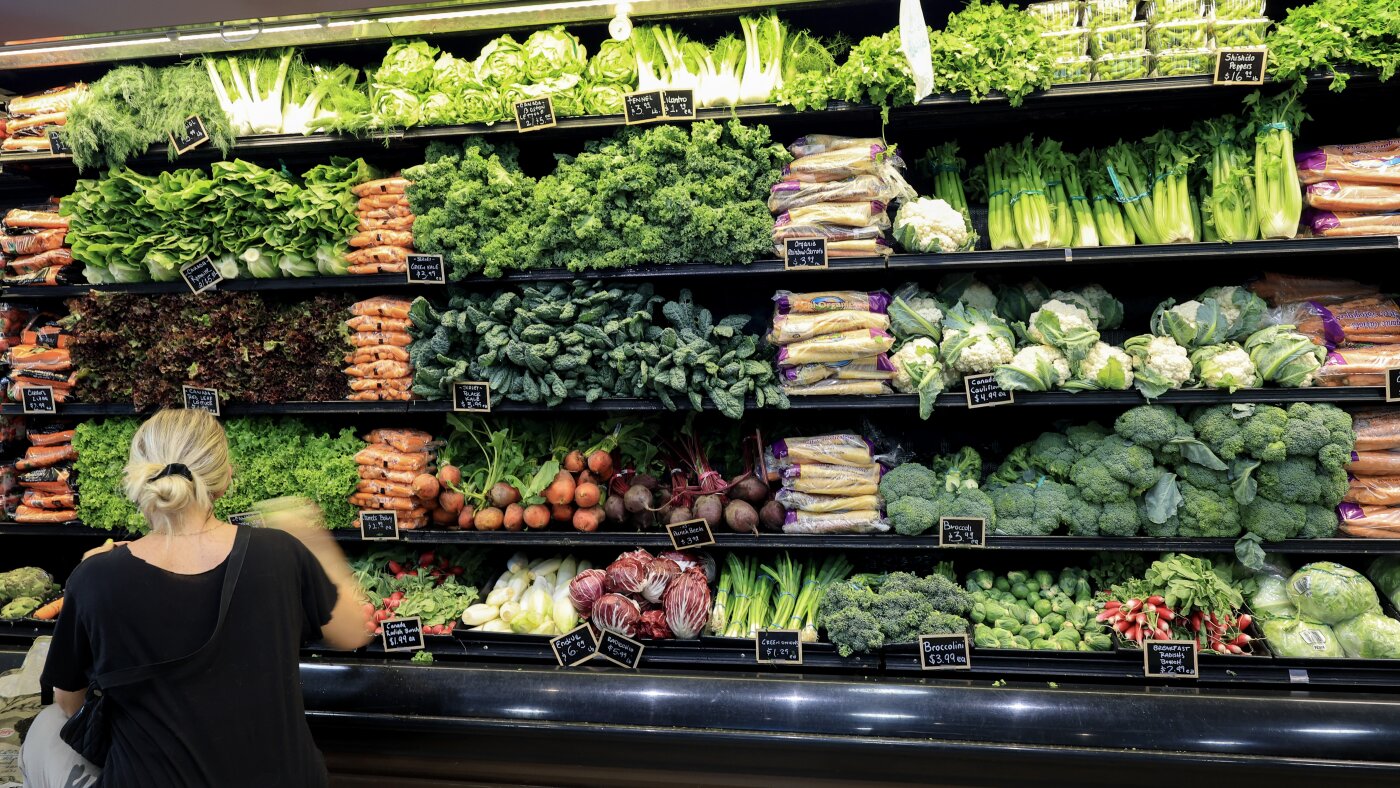
SNAP is the country’s largest anti-hunger program, serving the 1 in 8 U.S. residents who live at or just above the poverty line.
Joe Raedle/Getty Images North America
This article was originally written by www.npr.org