When families struggle to afford prescription drugs, medical supplies, or even a trip to the doctor, trade policy might not be the first thing that comes to mind — but it should be. Tariffs, which function as taxes on imported goods, quietly drive up the cost of everything from pharmaceuticals to medical devices, and the people who bear that burden are ordinary patients and families, not the corporations that import those goods.
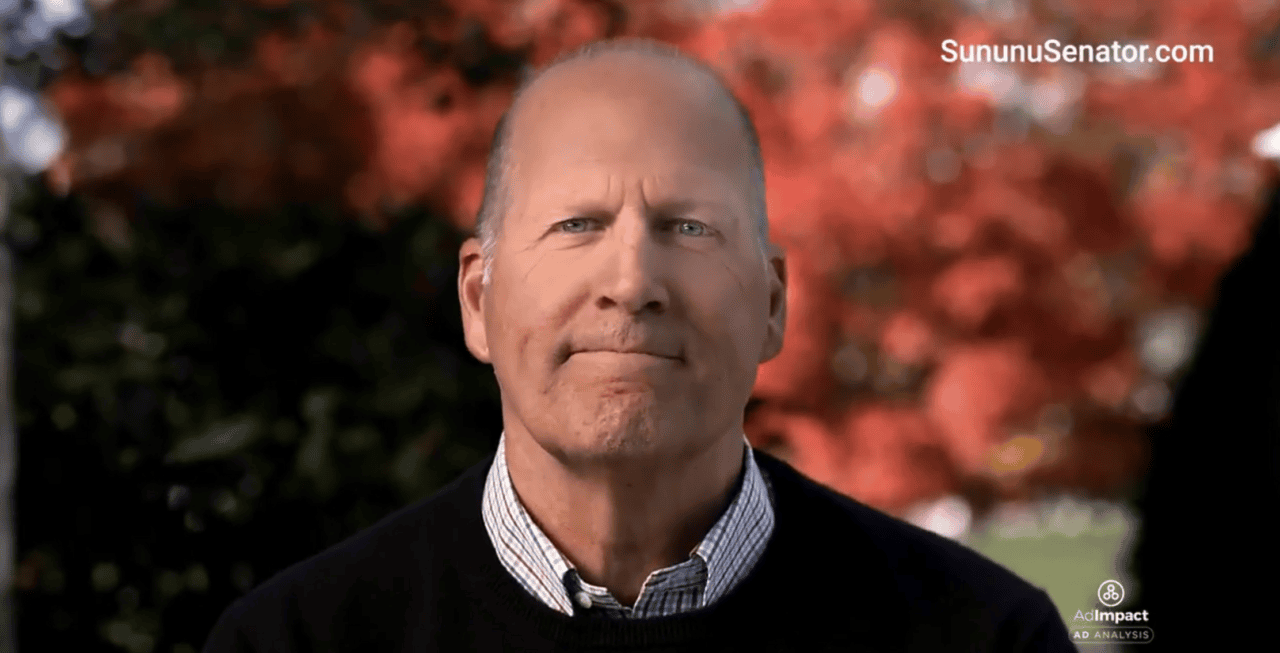
That reality makes the lobbying history of John Sununu — the former New Hampshire senator now seeking to return to Washington in the 2026 election — especially relevant to anyone concerned about healthcare affordability. After leaving the Senate in 2009, Sununu joined the Akin Group, a lobbying firm. From 2010 to 2016, that firm was paid $760,000 to lobby for the Tariff Action Coalition, a group of large corporations seeking more than $20 million in tariff relief. The coalition’s members included Bayer, a major pharmaceutical company, Honeywell International, and Syngenta, a global agricultural chemical corporation — companies whose pricing decisions have direct consequences for what American families pay for medicines and food.
What Tariffs Mean for Patients and Families
A tariff is essentially a tax placed on imported goods when they enter the United States. American importers pay it — and then, in most cases, pass that cost along to consumers through higher prices. For families, that can mean paying more for prescription drugs, medical equipment, or health-related products that rely on international supply chains.
When corporations successfully lobby for tariff exemptions, refunds, or reduced rates, the financial savings rarely flow back to the patients or households who absorbed the inflated costs. Companies can quietly pocket the difference while consumers — including people managing chronic conditions, purchasing insulin, or paying out-of-pocket for medical supplies — continue paying elevated prices with no relief in sight.
It is not clear whether Sununu personally handled the Tariff Action Coalition account. But he told Fox News last year that his private sector experience taught him how to deal with the “tariff situation.” That experience, he said, prepared him to navigate trade policy — even as everyday families continue to feel the pinch from tariff-driven price increases on goods they depend on for their health and well-being.
A $166 Billion Windfall That Bypassed Families
The stakes of tariff policy became dramatically clear when the U.S. Supreme Court struck down some of President Donald Trump’s tariffs, requiring the government to return $166 billion in collected duties. The refund process revealed a troubling pattern: large corporations received the overwhelming bulk of those refunds, while small businesses got only a fraction and consumers — the families who paid tariff-inflated prices on medications, groceries, and medical goods — received nothing at all.
Trump’s sweeping tariff agenda has already contributed to a sharp rise in retail prices across the economy, with healthcare-related goods among those affected. Sununu has said he believes Trump should involve Congress more in tariff decisions, while simultaneously calling the president’s overall approach “very fair.”
When WMUR asked Sununu in March who should receive the tariff refunds, he declined to give a direct answer.
“I don’t have a legal answer to that question,” Sununu said. “It should go to whoever paid it. It should be done in a simple, clear, effective way. It is a bit of a mess. There’s no question about that. But I think given today’s computerized systems, the way it was paid, there ought to be a pretty straightforward way to pay it back.”
For patients and families who continued paying elevated prices on medicines and health products while corporations quietly secured refunds, that answer offers little comfort. The question of who pays and who benefits from federal trade policy is not abstract — it shapes what people can afford when they walk into a pharmacy or schedule a medical appointment.
Sununu’s Democratic opponent in the Senate race is Rep. Chris Pappas. His lobbying background — including work for a firm that helped corporations like Bayer secure tariff savings — raises direct questions about whose interests he would prioritize on trade policy that touches healthcare costs and family financial security.