Supreme Court Decision Paves Way for Alabama’s Controversial Congressional Map
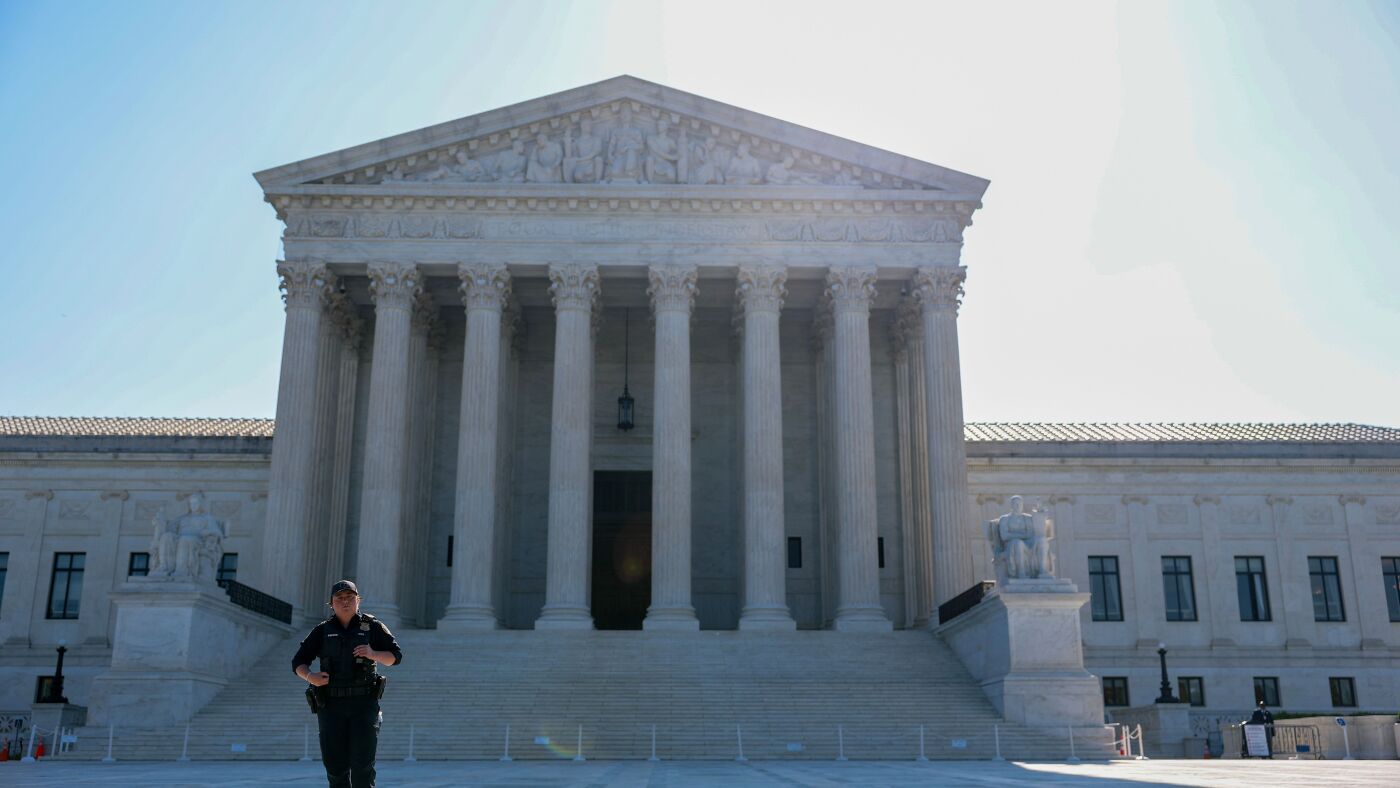
In a pivotal move, the U.S. Supreme Court has greenlighted Alabama’s use of a disputed congressional district map, which is expected to favor Republicans. This decision overturns a previous ruling by a three-judge district court panel that had deemed the map “tainted by intentional race-based discrimination.” The court’s liberal justices expressed their dissent publicly.
With this ruling, Alabama’s upcoming 2026 midterm elections will likely see six districts leaning Republican and one leaning Democratic, altering the political landscape. Democrat Shomari Figures, representing the Second District, might lose his seat due to the court’s decision.
The contentious history of Alabama’s congressional map dates back to 2021 when a new map was introduced to reflect census-driven population changes. Despite the state’s population being over one-quarter Black, the map featured only one majority-Black district among seven.
Legal challenges arose swiftly, with voters arguing that the map diluted minority votes, violating both the Voting Rights Act and the Constitution. Lower courts sided with the plaintiffs, demanding a new map that would provide Black voters a fair chance to elect candidates of their choice. However, Alabama persisted with its legal battle, a strategy that ultimately succeeded on Tuesday.
The landscape shifted in April when the Supreme Court’s conservative majority dismantled key parts of the Voting Rights Act, ruling against the intentional creation of majority-minority districts. Alabama then appealed to the Supreme Court to reinstate its previous map, arguing that it complied with the latest ruling. In May, the court issued an unsigned order allowing Alabama to use the old map for upcoming elections.
This decision triggered a flurry of activity in Alabama. By May, absentee voting had commenced with a court-approved map. Consequently, Republican Governor Kay Ivey canceled elections and scheduled a special primary for August.
The Supreme Court’s ruling instructed a lower court to re-evaluate Alabama’s map under the new Voting Rights Act interpretation. A panel of three Republican judges—two appointed by Trump—unanimously found the single Black district plan “intentionally discriminatory.” Alabama returned to the Supreme Court, arguing the map was partisan, not racially biased, asserting it was intended to elect more Republicans.
The conservative majority of the Supreme Court agreed, asserting that the lower court “did not heed the presumption of legislative good faith.” Meanwhile, the court’s liberal justices dissented, criticizing the majority for ignoring the 2006 Purcell v. Gonzalez decision, which cautioned against altering election rules near an election.
Justice Sonia Sotomayor, dissenting, remarked that the court “debases the democratic process” and “corrodes the rule of law by rewarding Alabama’s gamesmanship and outright defiance of court orders.”
This decision marks a significant moment in a series of Supreme Court rulings that could influence the 2026 midterm elections, potentially complicating efforts for Democrats seeking election victories.