San Diego’s Water Surplus: A New Strategy Amidst Drought
In an unexpected turn amid California’s ongoing water challenges, San Diego finds itself with an abundance of water resources. This surprising surplus comes at a time when the state is negotiating reduced allocations from the Colorado River due to its dwindling levels.
Despite receiving only about eight inches of rain annually, San Diego’s strategic investments in water recycling and conservation have yielded a surplus. The city, once at the mercy of the distant Colorado River, now has excess water, making it an attractive option for neighboring regions seeking relief from drought conditions.
Meena Westford, director of imported water at the San Diego County Water Authority, stated, “I don’t think we can save the Colorado River, but what we’re looking to do is show that there is an opportunity to manage the system in a new way.”
Desalination and San Diego’s Water Offer
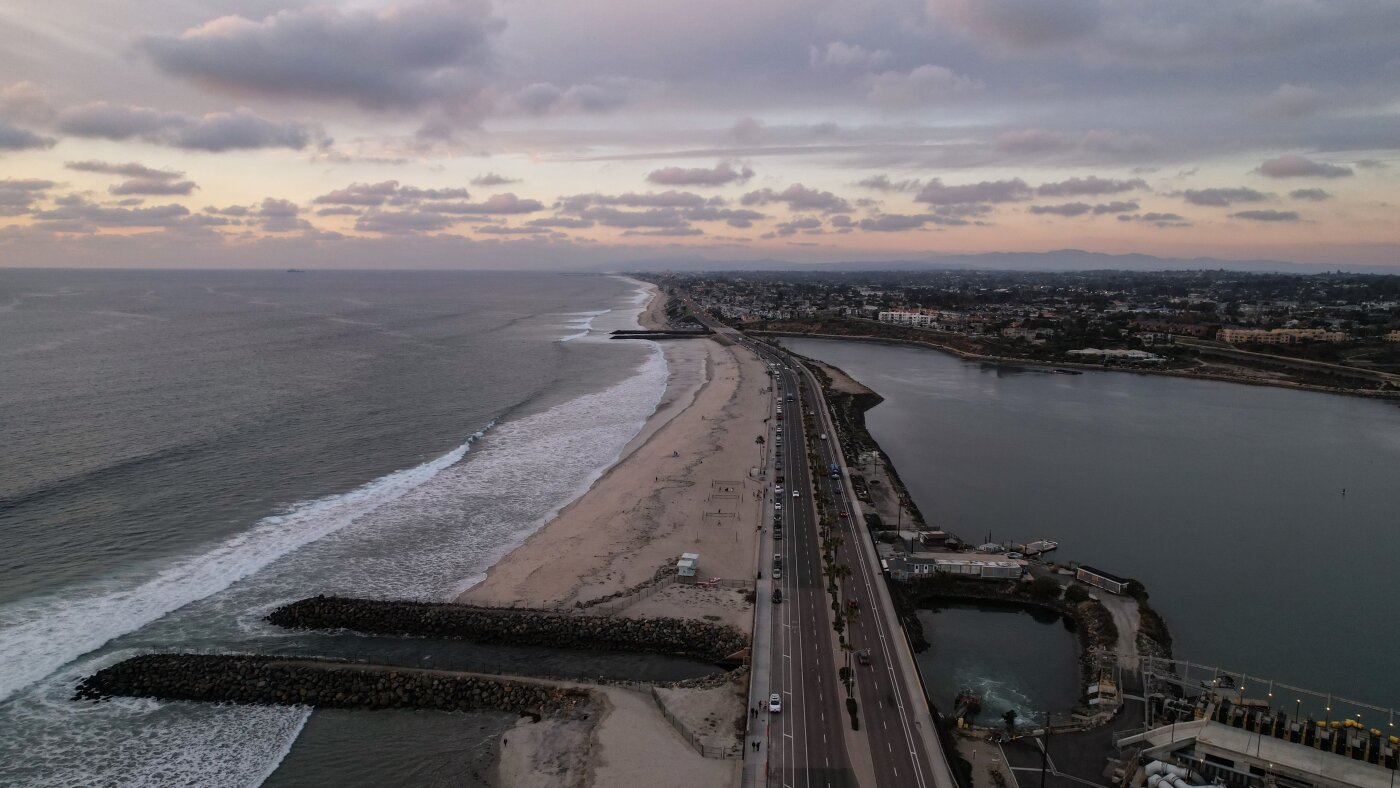
The Claude “Bud” Lewis Carlsbad Desalination Plant, situated along the coast, plays a crucial role in San Diego’s water strategy. By processing approximately 100 million gallons of seawater daily, the plant converts half of it into drinkable water, contributing 7-10% of the region’s supply. Currently, the local demand does not require this additional resource, presenting an opportunity for San Diego to offer its surplus to other areas.
Westford emphasizes, “We’re the only agency that is bringing new water into the system. This is not horse trading Colorado River water. This is really introducing and augmenting the system with new water.”
Challenges and Environmental Concerns
While desalination offers a potential solution, it is not without challenges. The process is energy-intensive and costly, with desalinated water priced significantly higher than river water. Environmentalists, such as Patrick McDonough from San Diego Coastkeeper, caution against relying on this method as the sole solution to the Colorado River crisis. McDonough states, “The water produced by this massive, biggest in the western hemisphere desalination plant is a drop in the swimming pool compared to the entire Colorado River basin supplies issue.”
McDonough suggests that conservation and urban water recycling are more effective long-term strategies. He notes that the desalination plant has increased local water bills and emphasizes the need to sell the excess water to those willing to pay.
Regional Cooperation and Future Prospects
Despite the challenges, there is optimism about regional cooperation. Southern Nevada Water Authority and other agencies are exploring the purchase of San Diego’s excess water. John Entsminger, general manager of the Southern Nevada Water Authority, expresses willingness to invest in projects that benefit the overall system, even if the water is not immediately needed.
Entsminger articulates his perspective, “Frankly, I think it’s a good news story. Despite all the other headlines, there’s a lot of regional cooperation going on and we’re all working together to solve this problem.”
With critical reservoirs like Lake Mead and Lake Powell facing alarming water levels, agreements on interstate water transfers are crucial. This collaboration aims to integrate San Diego’s water resources into a broader strategy to address the ongoing challenges of the Colorado River, with new rules expected by the year’s end.
This article was originally written by www.npr.org