Federal Student Loan Management Shifts from Education to Treasury Department
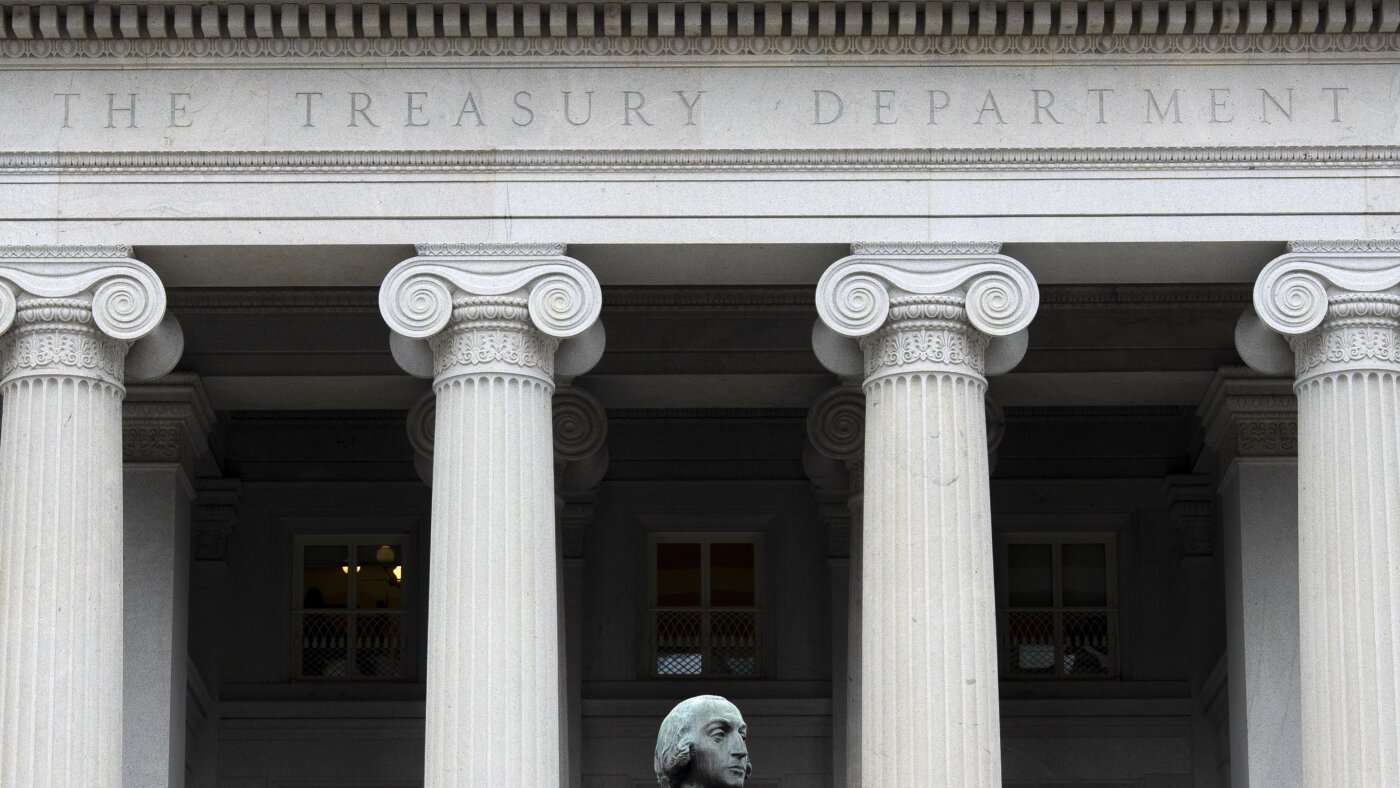
In a significant shift of responsibilities, the Trump administration has initiated a transfer of major management duties for the federal student loan portfolio from the U.S. Education Department to the U.S. Treasury Department. This move, detailed in a three-phase plan, aims to improve the handling of student loans, particularly for those in default.
The administration argues that the Treasury Department is better suited to manage the complexities of the loan system and assist borrowers struggling to meet their obligations. This transition is also seen as a strategic move by President Trump to reduce the Education Department’s responsibilities, as part of his broader agenda to potentially phase out the department entirely. More on these efforts can be read here.
As U.S. Secretary of Education Linda McMahon stated, “As the Federal student aid portfolio soars to nearly $1.7 trillion and with nearly a quarter of student loan borrowers in default, Americans know that the Department of Education has failed to effectively manage and deliver these critical programs.” She emphasized that leveraging the Treasury’s financial expertise is expected to bring efficiency to the management of these loans.
This change affects over 40 million borrowers who hold federal student loans. According to an agreement obtained by NPR, the first phase involves the Treasury Department resuming its role in collecting on defaulted loans, a task it had previously delegated to the Education Department. As of early March, approximately 9.2 million borrowers were in default, with an additional 2.4 million facing late-stage payment issues.
The subsequent phase will see an expansion of Treasury’s role to include servicing non-defaulted loans, contingent upon an assessment of the portfolio. The final stage involves the Treasury taking over administration of the Free Application for Federal Student Aid (FAFSA), a critical component for students seeking federal financial assistance. The Treasury already aids in the FAFSA process by providing a data-retrieval tool to streamline income verification for applicants.
Previously, President Trump had considered involving the Small Business Administration in managing the student loan portfolio, a plan that has since been abandoned in favor of the current approach. For more details on these discussions, visit this link.
This adjustment is part of a broader strategy by the Trump administration, marking the 10th interagency agreement to redistribute the functions of the Education Department to other government bodies. Rachel Gittleman, president of AFGE Local 252, representing employees at the Department of Education, criticized the move, stating, “The Trump Administration continues to unlawfully dismantle the Education Department by moving programs and offices to other federal agencies despite clear warning from Congress.”
Despite these changes, Education Department officials assure borrowers that the transition should be seamless and have minimal impact on their experience.
This article was originally written by www.npr.org