
Policy Shift: U.S. Adopts Lethal Measures Against Suspected Drug Boats
In a surprising move, the U.S. has shifted its maritime drug interdiction strategy, choosing to destroy suspected drug vessels instead of the traditional approach of seizing drugs and arresting crews. This change marks a significant deviation from previous policies under the Trump administration.
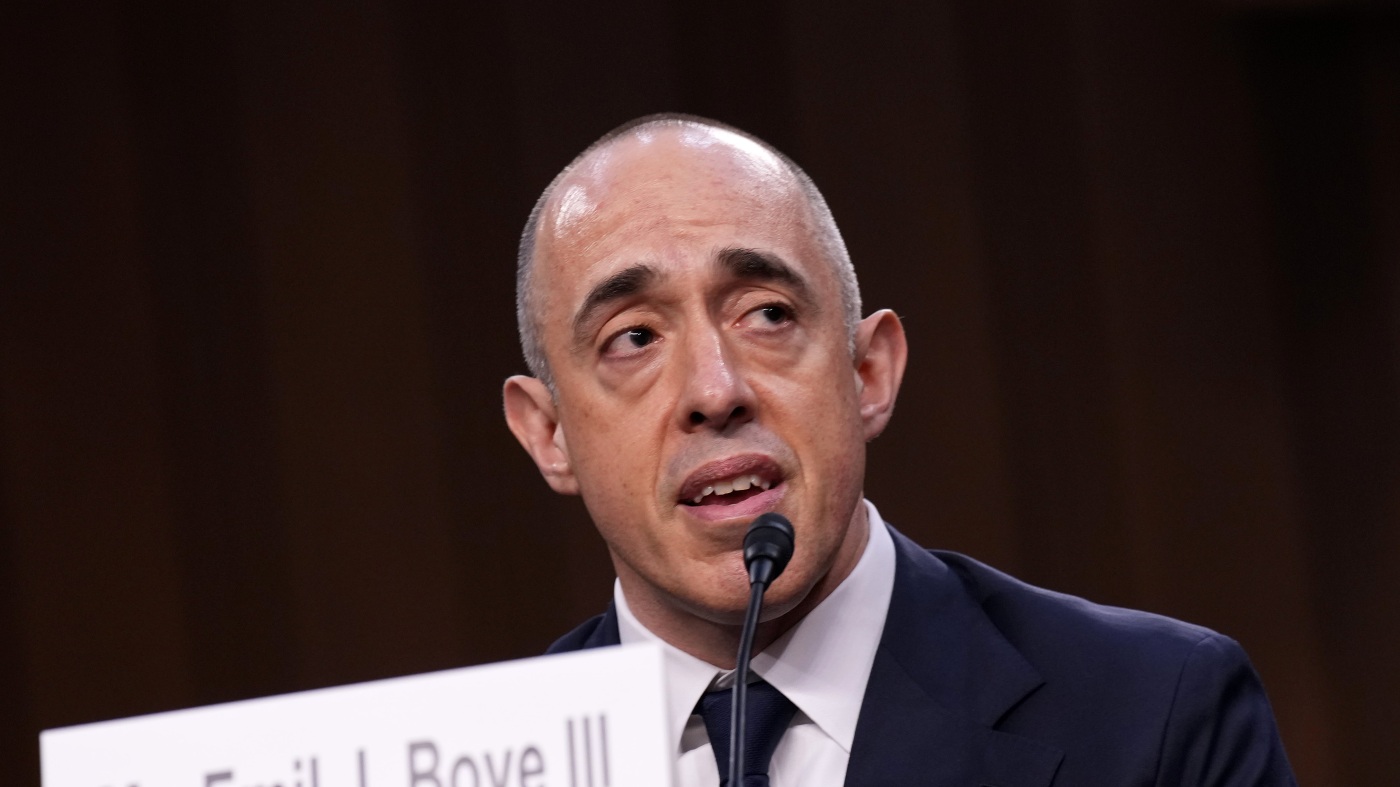
Back in February, during a Justice Department conference, Emil Bove, then-acting Deputy Attorney General, conveyed a stark message to the department’s top drug prosecutors. “Just sink the boats,” Bove reportedly said, a sentiment that was unexpected and left a strong impression on those present. At the time, President Trump had recently resumed office, with a clear agenda to combat drug cartels and transnational criminal gangs.
By September, the U.S. had initiated its first attack on a vessel off the Venezuelan coast, claiming it was involved in narco-trafficking. This operation was the start of approximately 20 strikes in international waters, resulting in over 75 fatalities. The administration stands by its actions, asserting that these vessels posed a direct threat to the nation, though no public evidence has been provided to substantiate these claims.
The Legal and Ethical Questions Surrounding the Strikes
NPR engaged with nine current and former U.S. officials familiar with tackling transnational crime. They described a dramatic policy shift from intercepting suspected drug vessels to a more aggressive strategy of destruction. Many questioned the legality of these strikes, with some labeling them as murder. Concerns were also raised about the long-term effectiveness of this approach in curbing drug flow into the U.S.
A former DOJ official expressed frustration, saying, “There’s an awful lot of frustration with the administration abandoning what has been one of the most effective ways of going after organized crime in favor of things that sound macho but get you nowhere.”
Reactions and Implications
The sudden change in strategy has raised eyebrows among those involved in drug interdiction. Bove’s comments at a conference earlier in the year hinted at this shift, though their full implications weren’t realized until the strikes began. The discussions at the conference left many attendees in shock, with some interpreting Bove’s remarks as an indication of a more lethal approach.
While Bove declined to comment on these developments, his earlier remarks at a conference for the Organized Crime Drug Enforcement Task Forces (OCDETF) had already planted the seeds of this new direction. During his speech, Bove questioned the value of traditional interdictions and prosecuting low-level drug runners.
Strategic Shifts and Intelligence Concerns
The administration maintains that these strikes are a necessary measure to halt drug trafficking, but the increase in military presence in the Caribbean has led to speculation about other motives, including destabilizing Venezuelan leadership. The recent deployment of the USS Gerald Ford and its strike group in the region has heightened these concerns.
The Justice Department has provided a legal justification for the strikes, but it remains largely undisclosed to the public. A memo from the department concluded that the actions align with the laws of war, as the U.S. is engaged in a non-international armed conflict with the cartels.
This new approach has significantly reduced the collection of intelligence that was previously gathered during traditional interdictions. Without seizing vessels and arresting crews, the U.S. misses out on valuable information that could help map cartel networks and disrupt operations over time.
One former FBI official remarked, “Forgetting the philosophy of whether killing people is right or wrong, when you kill them you can’t talk to them. When you grab them, you can.”
Future Outlook and Challenges
The shift in policy raises concerns about the U.S.’s ability to understand and dismantle cartels effectively. Intelligence gathered from interdictions is crucial for mapping drug networks and strategies. However, the lethal strikes risk diminishing this intelligence pool.
With the recent closure of OCDETF and the transfer of cases to new Homeland Security Task Forces, skepticism remains about the effectiveness of the Trump administration’s new policy. Critics argue that the current strategy does not reduce drug flow into the U.S., labeling it “extraordinarily shortsighted.”




