Trump’s Surprising Pick: Bill Pulte as Acting Director of National Intelligence
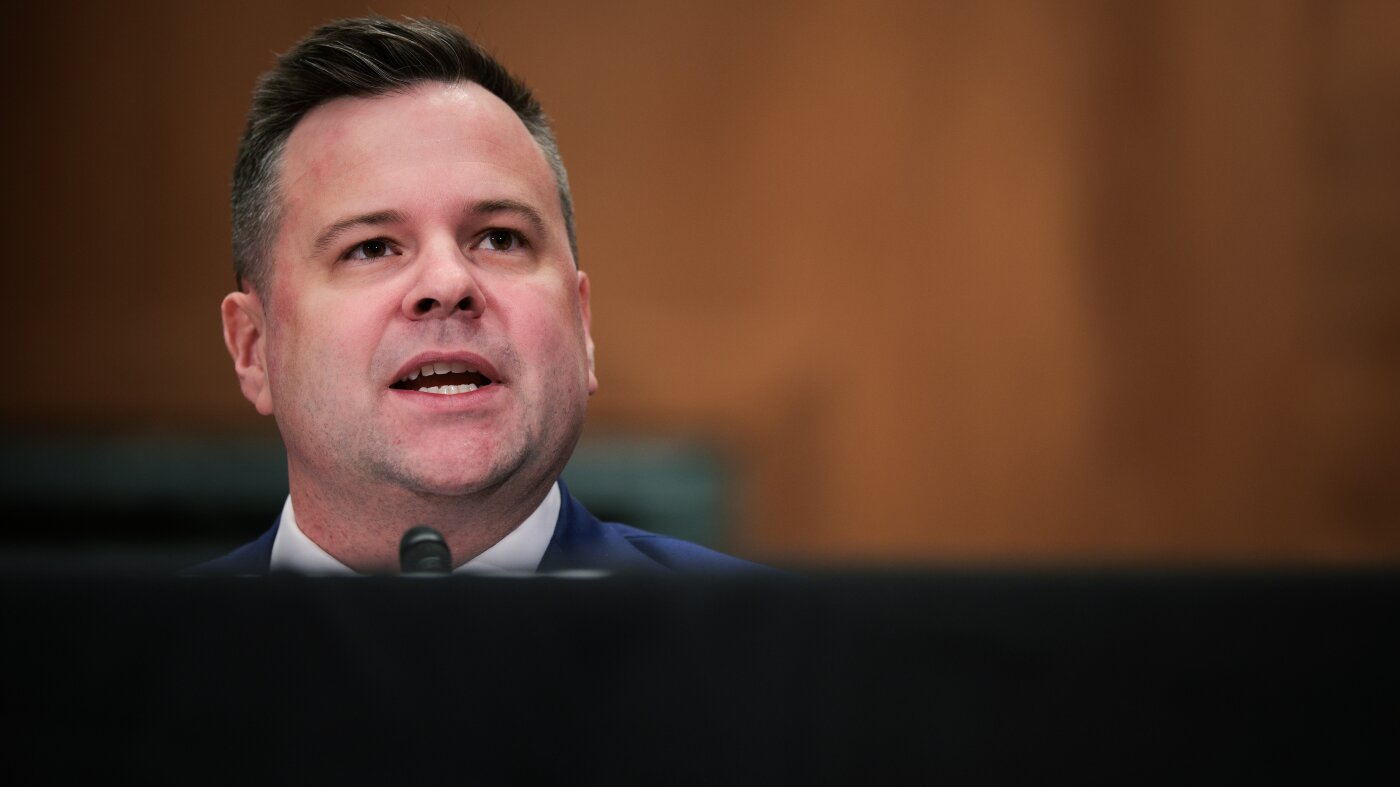
In an unexpected move, President Trump has appointed Bill Pulte, former director of the Federal Housing Finance Agency, as the acting director of national intelligence. This decision has disrupted ongoing congressional discussions about the nation’s surveillance capabilities.
Pulte, known for his strong support of President Trump, has a history of leveraging his social media presence to advocate for political actions, including calls for investigations against Trump’s adversaries. Now, as the acting director, he will oversee the U.S. intelligence community, which includes managing the surveillance operations under Section 702 of the Foreign Intelligence Surveillance Act.
This appointment caught lawmakers off guard, particularly as they were nearing the conclusion of negotiations to renew the FISA 702 program. The program’s expiration was looming, with a proposed three-year extension in the works until the announcement shifted the dynamics.
Political Concerns and Social Media Influence
Bill Pulte, grandson of a homebuilding tycoon and a Northwestern University graduate, rose to prominence through his online philanthropy. Dubbed the “Inventor of Twitter Philanthropy,” he distributed funds via Twitter to those in need, often using the platform to interact with high-profile figures, including President Trump.
Despite claiming to remain apolitical, Pulte and his wife have made significant financial contributions to Republican causes, including a $500,000 donation to a Trump-aligned super PAC. This has raised concerns about his impartiality, especially given his lack of experience in national security.
Pulte’s Transition from Housing to Intelligence
After supporting Trump’s return to the presidency, Pulte was appointed to lead the Federal Housing Finance Agency. His tenure there was marked by rapid policy changes announced on social media, attracting scrutiny from industry professionals. His new role as intelligence chief has been met with skepticism, particularly due to his previous focus on using his position to target political foes.
Notably, Pulte has used his influence to accuse several high-profile individuals of mortgage fraud, allegations they have denied. This history has fueled apprehension about his ability to provide objective intelligence assessments, a critical aspect of national security.
Congressional Reactions and Future Implications
Pulte’s appointment has drawn criticism from both sides of the political aisle. Democrats have expressed strong opposition, with concerns that his partisan background could jeopardize the renewal of FISA Section 702. Republican leaders have also voiced unease about his qualifications for the role.
Senate Majority Leader John Thune remarked, “We don’t need a weaponized DNI; we need professionals there.” Meanwhile, President Trump has suggested that Pulte’s acting status allows for more flexibility in reshaping the intelligence agency, despite the controversy surrounding his appointment.
As the FISA deadline approaches, the uncertainty surrounding Pulte’s position continues to pose challenges for lawmakers. Trump’s decision to appoint Pulte has undeniably complicated the legislative landscape, leaving the future of U.S. surveillance capabilities in question.