Trump’s Latest Media Ban Sparks Constitutional Debate
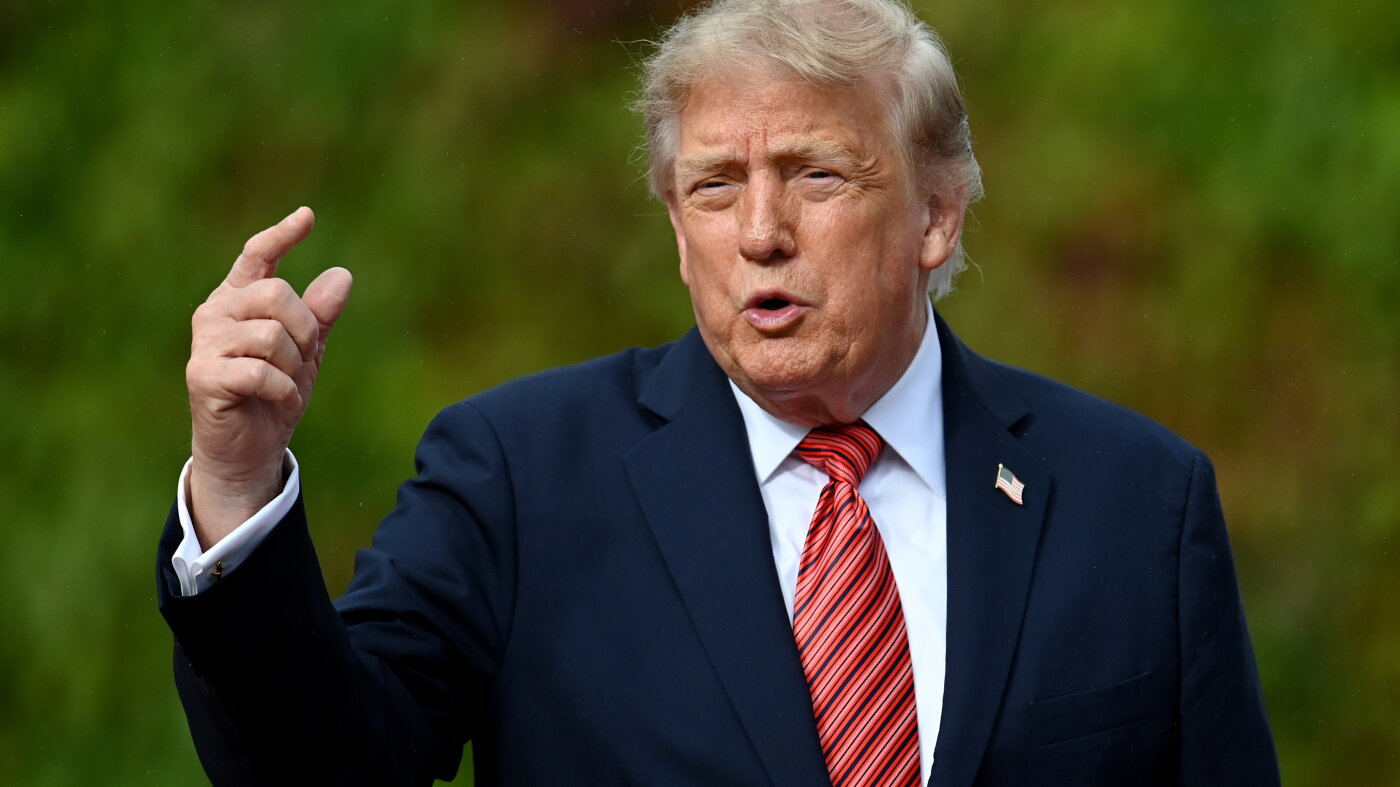
In a bold move that has stirred controversy, President Donald Trump recently barred three major media outlets—CNN, MS NOW, and Politico—from accessing the White House grounds. This decision has prompted fierce discussions about the boundaries of press freedom and governmental authority.
The announcement came after Trump criticized these outlets for their “negative coverage” of his administration. In a post on Truth Social, Trump accused the media of spreading “FICTION and LIES” and hinted at possible future bans on other media organizations. This action marks another chapter in Trump’s ongoing conflict with the press.
During a press conference, a reporter from Bloomberg News inquired if Trump’s actions were meant to intimidate the media. Trump’s response was blunt: “No, no, no, no. I dislike dishonest press, like you. I think you’re terrible.” He further expressed that the outlets intentionally produce negative news to undermine his administration, although no specific news story was cited as the impetus for the ban.
On Saturday morning, affected journalists experienced the impact of this ban firsthand. MS NOW reporter Akayla Gardner was reportedly denied entry to the White House and asked to surrender her badge, which had been “disabled.” Despite this, an MS NOW producer managed to gain access. The network affirmed its commitment to continue covering the president and emphasized the importance of protecting First Amendment rights.
CNN’s Betsy Klein also faced entry denial. A Secret Service agent confiscated her badge without providing an explanation. CNN has asserted its constitutional right to report without government interference, pledging to maintain its watchdog role over the administration.
Politico’s Global Editor-in-Chief, Jonathan Greenberger, revealed that a White House reporter from their team, Cheyenne Haslett, was similarly barred. He reiterated the organization’s determination to defend press freedoms vigorously.
This media ban coincides with a politically charged atmosphere as midterm elections approach. Trump’s administration faces challenges, including criticism over his unpopular Middle East policies, economic concerns, and controversial proposals like the demolition of the Kennedy Center.
The White House Correspondents’ Association President Jacqui Heinrich and First Amendment lawyer Theodore Boutrous have both underscored the constitutional protections afforded to the press, emphasizing that these protections do not rely on presidential approval of media coverage.
Trump’s history of media exclusions includes barring an Associated Press reporter for not using the term “Gulf of America” and revoking a CNN reporter’s press pass during his first term. Previous court rulings have supported media rights, although appeals are ongoing.
This article was originally written by www.npr.org